


How to Grow and Care for Venus Fly Traps





About Venus Fly Trap
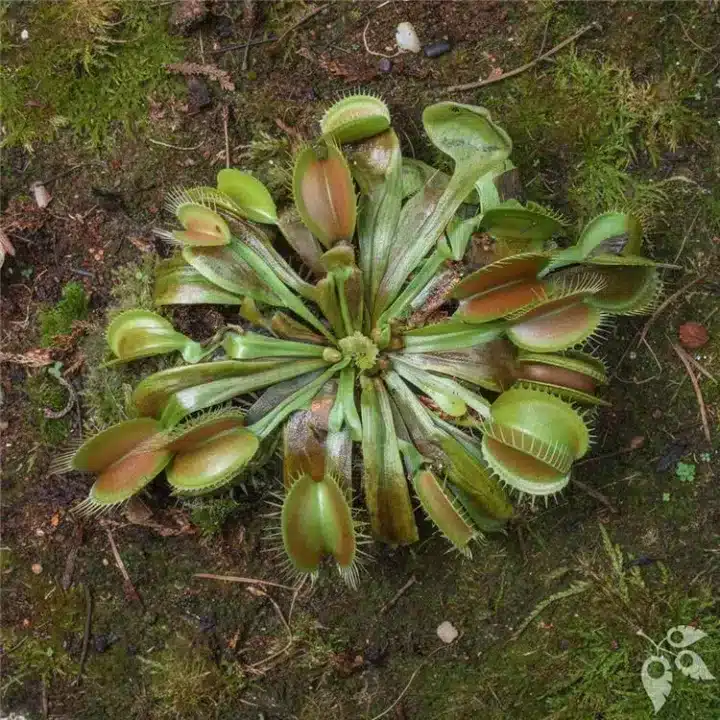
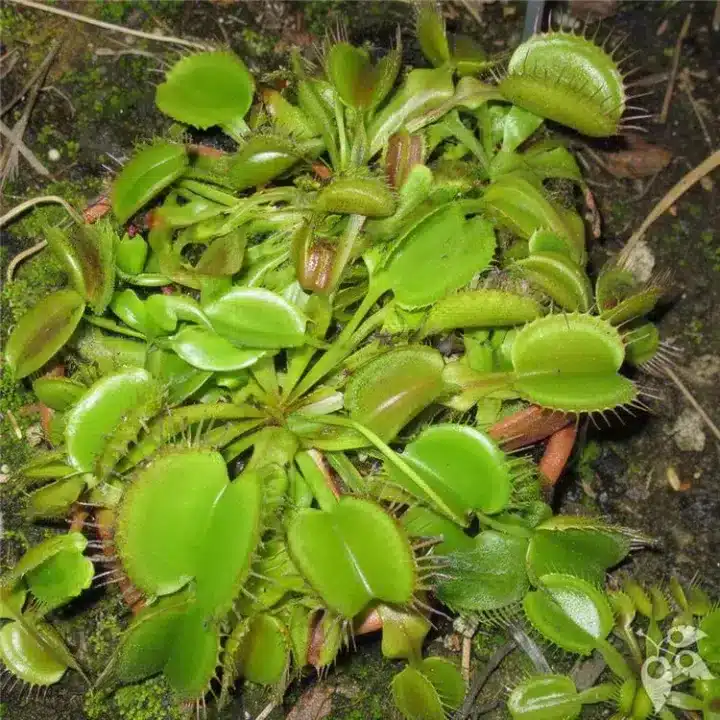
Venus Fly Trap (Dionaea muscipula) grows 3 to 6 inches tall and is hardy in USDA zones 6 to 8. It grows best in full sun to part sun with high water.
The enticingly unique Meadow Clams is a carnivorous plant that lends an air of exotic peculiarity to any home garden. Heralding origins that evoke the environment of a mythical green bog, this plant further bewitches with an array of white blooms, which usually appear in late spring or early summer, lighting up your garden area with a rare simplicity of color. Fascinatingly, the Meadow Clams is specialized for digesting insects, evident in its curious clam-shaped leaves that snap shut quickly upon sensing the presence of an unsuspecting prey. This mightyness has resulted in it being lauded as an intriguingly organic pest controller, not to mention a conversation starter when guests come to visit. However, owing to its carnivorous nature and the specific growing conditions it requires, it might pose a challenge to some gardeners. The key to its proper care and maintenance lies in mimicking the natural bog-like environment it thrives in; this means providing it with a sunny exposure, keeping its soil consistently moist with distilled water, and ensuring its ground medium is nutrient poor, to let its carnivorous trait continue to serve its purpose. Remarkably, this plant possesses a predisposition to resist most common plant diseases, lending credence to its robust nature. With the Meadow Clams in your growing space, you’re likely to oftentimes spot flies and gnats being ambushed, making it a natural insect attractor and creating quite the spectacle for nature enthusiasts. However, despite its resilience and crowd-pulling characteristics, this plant might prove invasive when introduced to certain ecosystems, hence one must exercise prudence when cultivating it outdoors. It is highly recommended to cultivate Meadow Clams as a contained indoor houseplant to prevent uncontrolled spread and to maintain the required growing conditions. Furthermore, though it does not bear any harmful poisons, it is not recommended for homes with curious pets, as its snap-trap leaves could potentially be a hazard to small, inquisitive animals. All in all, the Meadow Clams, serves as a bewitching addition to the adventurous North American home gardener’s plant ensemble, offering much more than simply aesthetic appeal.
When to Plant Venus Fly Traps
Pot Venus fly traps in spring before active growth. They need a cold winter dormancy of 3 to 4 months at about 35 to 50°F.
How to Plant Venus Fly Traps
To propagate Meadow Clams, you need to begin by carefully extracting the mature leaves from the parent plant. Once removed, place them in a container filled with a damp mixture of fifty percent sand and fifty percent peat moss. Ensure that each leaf’s white base is in contact with this substrate. Cover the container with transparent plastic, maintaining a high humidity environment, and put it in a location with indirect sunlight. After a few weeks, small plantlets will begin to grow from the base of the leaves. Once these seedlings mature, remove them gently from the initial container and prepare a new one filled with the same peat moss and sand mixture to plant them individually. Ensure that you bury the roots completely, but not the leaf traps. Water regularly but moderately, allowing the soil to dry out between waterings. Avoid water with high mineral content as this can harm your Meadow Clams. The plants should ideally receive direct sunlight for at least four to six hours a day but remember to gradually introduce them to such conditions to prevent scorch damage. Finally, maintain a high levels of humidity, as the plant thrives in such an environment.
Venus Fly Trap Care
The Meadow Clams, a unique carnivorous plant, require a stringent care routine for optimal growth and health. The insectivorous nature of this species necessitates a nutrient-poor soil, such as a blend of one half peat moss and one half sand, and never use fertilizer. It must be watered with distilled or rain water only as tap water often contains minerals which are harmful. In terms of lighting, it should receive maximum sunlight, at least four hours of direct sun daily. If it’s indoors, a sunny, south-facing windowsill is ideal or else use a fluorescent light. Always keep the soil slightly damp but ensure that the pot has a drainage hole to prevent water stagnation. While this plant goes dormant in the winter months, it’s vital to reduce watering during this period. However, do not let the soil dry out completely. During this time, keep it in a cool, bright location. It is beneficial to indulge it in a ‘feed’ of live or dried insects, but only a few times during the growing season. Finally, if the plant grows too large for its pot, repot it in the spring right after dormancy.
Fertilizing Venus Fly Traps
Meadow Clams, better known as the venus flytrap, generally do not require fertilization if they are grown in their suitable acidic, nutrient-poor soil and provided with live insects for nourishment. In managed conditions where additional feeding is deemed beneficial, particularly during their active growing season from spring to early fall, a weak foliar application of a fertilizer with an NPK ratio of 20-20-20, diluted to 10% of the standard application rate, can be used sparingly. Apply this no more than once a month to avoid nutrient buildup, which can harm Meadow Clams. Use distilled or rainwater to maintain soil acidity and avoid mineral contamination. Avoid fertilization during dormancy in colder months to prevent stress on the plant.
Pruning Venus Fly Traps
Pruning Meadow Clams should be cautiously done during their dormant period, typically between November and February. Throughout this period, the plant’s trap production slows considerably, making it the ideal time to trim without causing undue stress. To maintain optimal health and encourage blooming, remove only black or visibly unhealthy traps using clean, sharp scissors or a knife, cutting as close to the base of the trap as possible without damaging other parts. Conversely, refrain from pruning the growing traps, no matter their size. Do not prune during the growing season, roughly between March and October, as this can lead to severe stress or even plant death. Never remove more than 1/3 of the plant at a time, allowing at least a few weeks for recovery between prunings.
Venus Fly Trap Pests and Diseases
When analyzing your Meadow Clams for potential issues, look for the key signs of common pests and diseases. Aphids, caterpillars, spider mites, and fungus gnats can consume, suck, or scar the plant’s flesh causing harm. Aphids will lead the exposed areas to watery patches while caterpillars and spider mites will show bite marks on the leaves. Gnats will create visible pockmarks on the flesh. Employ natural predators, bio insecticides or insecticidal soap to safely eradicate pest issues. Fungal diseases like botrytis or rust will display spots or dusty coatings on the leaves that are yellow, brown, or black. Address fungal problems immediately with organic fungicides or sulfur/nitrate-based treatments. Wilted or darkened leaves with soft spots may indicate bacterial or fungal root rot – treat by decreasing moisture, improving drainage, or pursuing antibacterial/antifungal treatments. Remember, prevention plays a vital role in maintaining healthy Meadow Clams – provide the right amount of sunlight, keep humidity levels in check, and ensure optimal watering.


Are Venus Fly Traps Toxic to Cats and Dogs?
No. The ASPCA lists Venus fly trap as non-toxic to dogs and cats. If you think a pet has eaten a toxic plant, call your veterinarian or the ASPCA Animal Poison Control Center at (888) 426-4435.
Venus Fly Trap FAQs
What kind of water does a Venus fly trap need?
Use only distilled water, rainwater or reverse-osmosis water. Minerals in tap water build up and kill the plant.
Do I need to feed my Venus fly trap?
Outdoors it catches its own insects. Indoors, feed it a live insect every few weeks during the growing season and never feed it meat.
What soil does a Venus fly trap need?
Plant it in nutrient-free sphagnum peat moss mixed with perlite or sand. Never use potting soil or fertilizer.
Search thousands of plants for your zone with PlantTAGG Plant Search
The free PlantTAGG app gives you care reminders matched to your location and weather, plant ID and photo diagnosis, and answers to your gardening questions from Ask Emily.