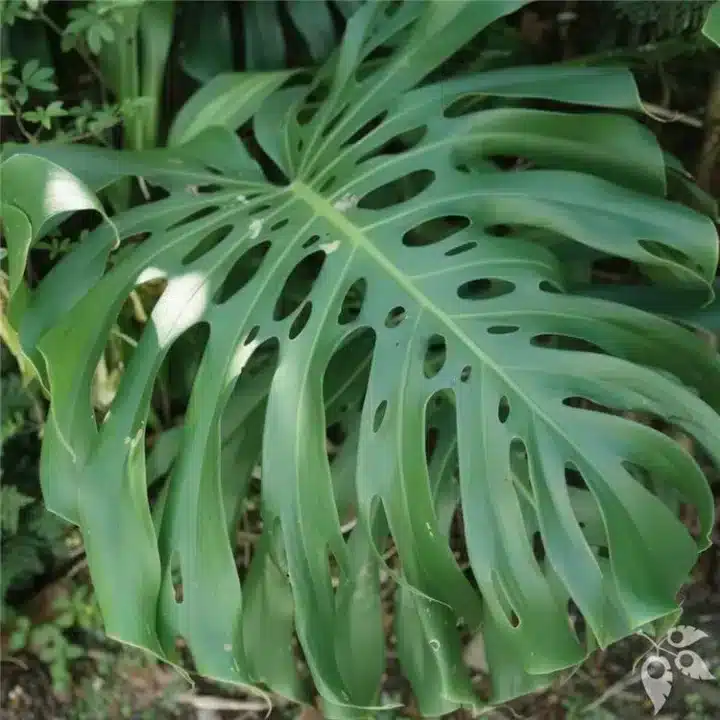
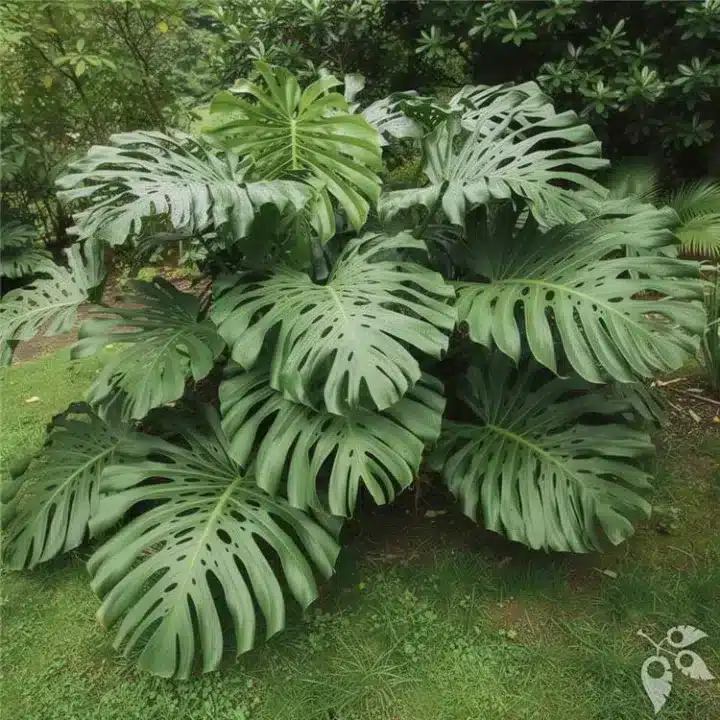
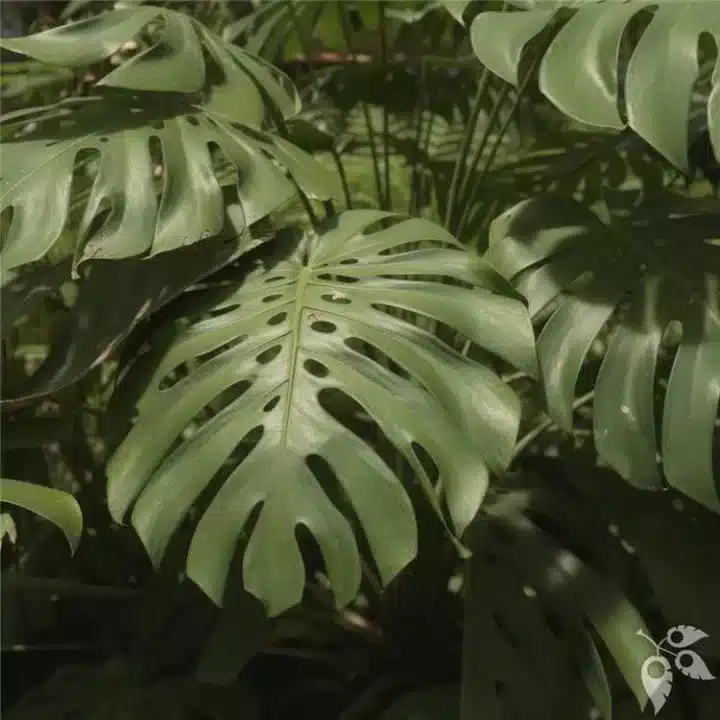
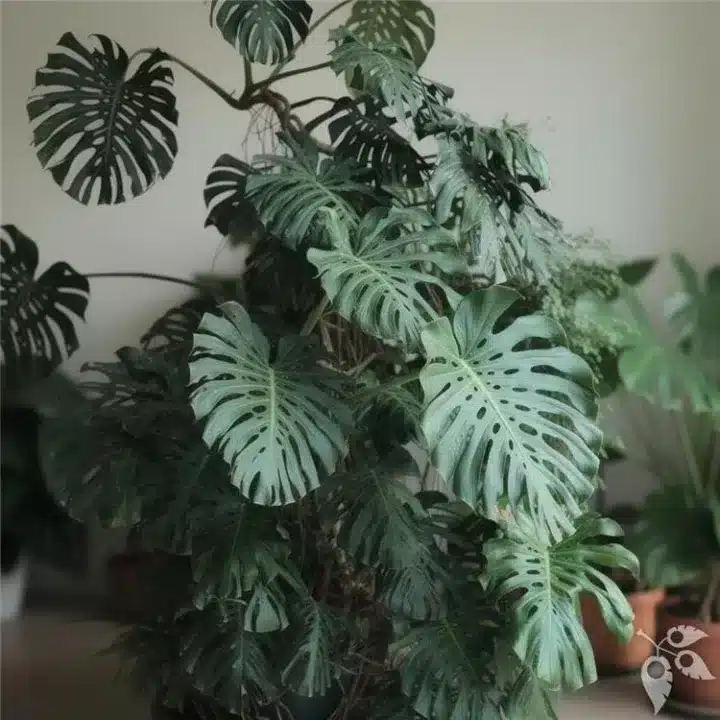
When to Plant Monstera
Monstera is a houseplant and can be potted any time of year. Repot in spring every two to three years.
How to Plant Monstera
To propagate a Split Leaf Philodendron, first, identify a mature stem with several leaves and an aerial root below the node. Using a clean, sharp knife, cut just below the aerial root. Leave the cutting in a secure, shady spot to allow the cut to dry and heal for a few days before proceeding to the next step. While waiting, prepare a small pot with a well-draining potting mix. Once the cutting has healed, it’s time to plant it. Make a hole about an inch deep in the potting mix, then insert the cutting’s aerial root into it, ensuring that the node is covered by the soil. Tamp down gently around the stem so that the plant cutting is firmly held in place. Water thoroughly after planting and maintain a humid environment by misting the plant frequently. Place your newly planted Split Leaf Philodendron in a warm area that receives indirect light. After a few weeks, your cutting should have developed roots. Continue to water consistently, allowing the soil to dry out slightly between waterings, while avoiding complete desiccation or waterlogging conditions. This method will ensure a successful propagation and planting of your Split Leaf Philodendron.
Monstera Care
The Split Leaf Philodendron prefers a shady spot, ideal for growing indoors or in a location where it is protected from direct sunlight, as intense exposure can cause the leaves to scorch. Despite its need for shelter, the plant appreciates bright, but indirect, light. Regular watering is a must, however, you must ensure that the soil is neither too dry nor too wet. Most importantly, the soil needs to be well-draining, to prevent waterlogging and the subsequent root rot. In warmer seasons, water the plant more frequently, reducing the frequency as temperatures drop. Mist the leaves often to create a humid environment mimicking its rainforest habitat, or place the pot on a tray of pebbles filled with water, ensuring that the water level is below the pot’s base. Feed the plant monthly during the growth period with a balanced liquid foliage houseplant fertilizer and clean the leaves regularly to keep the plant looking fresh. Conduct periodic checks for pests and diseases, such as scale insects or leaf spot disease, both of which can be treated with a mixture of water and insecticidal soap. Repotting should ideally be done once every 2-3 years, during the spring season.
Fertilizing Monstera
Fertilize Split Leaf Philodendron during its active growing season from spring through early autumn using a balanced, water-soluble fertilizer with an NPK ratio of 20-20-20 or 10-10-10. Apply the fertilizer every 4 to 6 weeks, diluting it to half the recommended strength to prevent over-fertilization, which can harm the plant. This plant benefits from regular feeding to support its vigorous growth and large leaves. Avoid fertilizing in late autumn and winter when growth slows down. Ensure that the soil is moist before applying fertilizer to help with nutrient absorption and minimize root burn risk. Adjust fertilization frequency and strength based on growth rate, and always monitor for signs of over-fertilization, such as leaf burn or wilting.
Pruning Monstera
As Needed. Remove dead leaves
Monstera Pests and Diseases
No serious insect or disease problems. Watch for aphids, mealybugs, thrips, scale or spider mites.