


How to Grow and Care for Philodendrons


About Philodendron
Philodendron (Philodendron hederaceum) grows 3 to 6 feet tall and is hardy in USDA zones 10 to 11. It grows best in part shade to bright, indirect light with medium water.
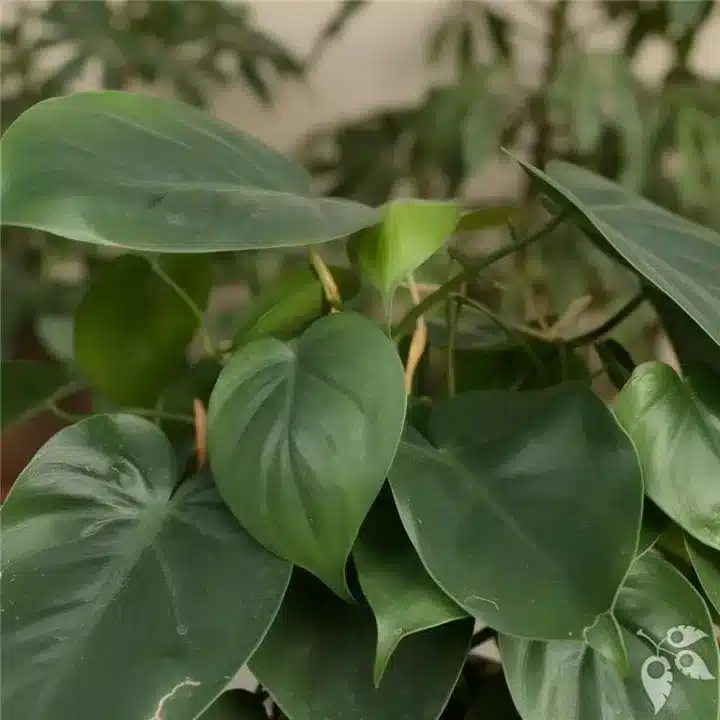
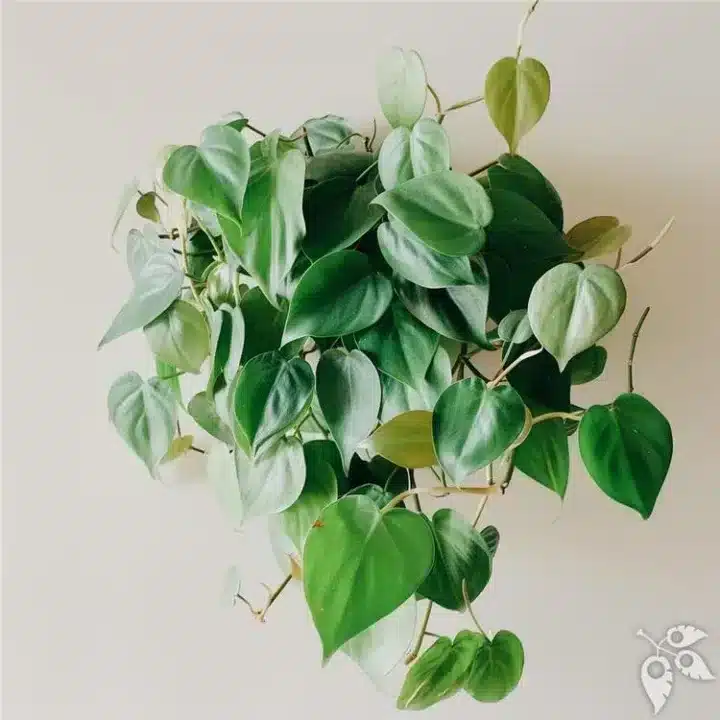
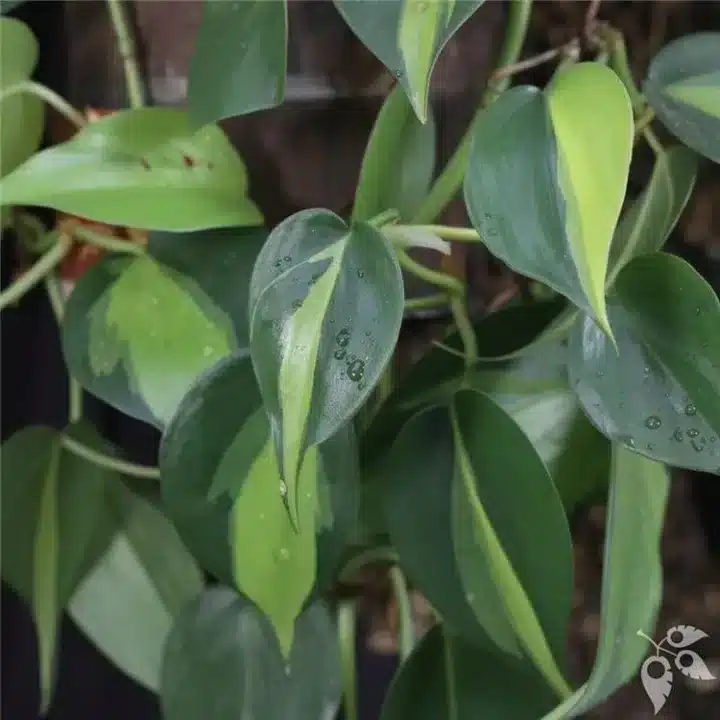
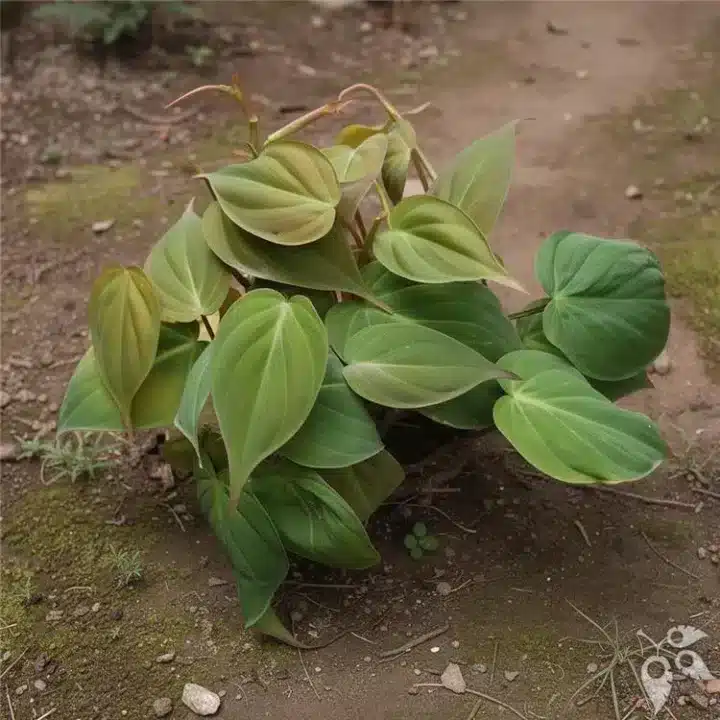
The Heartleaf Philodendron, or Philodendron hederaceum, is a charming and popular climbing vine plant with signature cordate (heart-shaped) leaves that have a glossy, dark green appearance. Its origins can be traced back to the West Indies and the rainforests of Central and South America. It is often used as an indoor houseplant, keeping aesthetic value high year-round with its intimate foliage, love for the shade, and low maintenance requirements. Known for its air-purifying qualities, it improves indoor air quality, making it an ideal choice for homes, offices, or indoor spaces. While it doesn’t bloom flowers under most indoor conditions, it can sometimes produce sparse, non-showy, spadix-type inflorescences (flower spike) in its natural environment or under very favourable indoor conditions. As for care, it thrives best in well-draining soil, preferring humidity and indoor temperatures, and only requires moderate watering, increasing slightly during the warm growing season and reducing water in the dormant winter times. It is particularly resistant to pests and diseases, although occasionally spider mites, mealybugs or aphids might infest it under stress conditions. A notable feature of this plant is its high tolerance for varying light conditions, although bright, indirect light is most preferred. Heartleaf Philodendron can even withstand darker conditions, making it a versatile option for shaded corners of a room. While it is a decidedly robust plant, it should be noted that it contains calcium oxalate crystals which are toxic if ingested, causing severe discomfort, and potentially serious swelling and pain in the mouth, throat, and gastrointestinal tract, so it might not be a suitable choice for homes with small children or pets. It should also be cautioned that the plant can lead to skin irritation on contact in some people. Despite these potential drawbacks, the stylish and lush Heartleaf Philodendron remains a favourite for its beauty and adaptability, adding a lush, tropical touch to interiors.
When to Plant Philodendrons
Philodendrons are houseplants and can be potted any time of year. Repot in spring when roots fill the pot.
How to Plant Philodendrons
The Heartleaf Philodendron, frequently preferred for indoor gardening, should be planted in a container with well-draining potting mix and placed in an area with bright, indirect light, as exposure to direct sunlight can cause leaf burn. Water the plant thoroughly when the top inch of the soil feels dry, watering less during the winter months. For propagation, you can use stem cuttings with at least two nodes. Cut just below a node, remove the leaves from the lower node and immerse it in a container filled with water. Keep the container in a spot with warm and indirect light to encourage rooting. Changing the water once a week is crucial to prevent bacterial growth. When the roots have grown two to three inches long, which can take a few weeks, the cutting is ready to be planted in a pot filled with fast-draining potting soil. Ensure to bury the node under the soil for the plant to establish correctly. Regular fertilization with a balanced houseplant fertilizer diluted to half-strength every 4 to 6 weeks during the growing season will support healthy growth, while holding off in the winter months is advised as the plant naturally slows down in its productivity.
Philodendron Care
The Heartleaf Philodendron, an evergreen perennial, is a popular indoor plant well-suited for beginner and seasoned gardeners alike. It enjoys medium to bright indirect light but can manage lower light conditions well. Avoid placing it in direct sunlight to prevent scorching. Regular water is beneficial during the growing season, but letting the top inch of the soil dry out between watering will prevent overwatering. In the cooler months, watering can be reduced. This plant prefers temperatures between 65 and 78 degrees Fahrenheit and fares poorly with temperatures below 55 degrees. Humidity is fundamental, so consider misting your plant regularly or placing it on a tray of pebbles with some water. Regular feeding with a balanced, water-soluble fertilizer during the spring and summer growth season can encourage vibrant foliage. A well-draining potting soil mix helps to avert water logging. To maintain its compact, lush appearance, pinch off the new growth tips. If your plant develops long, leggy stems, cut them back to a few inches above the soil line in early spring for rejuvenation. Lastly, it’s essential to note that the Heartleaf Philodendron is toxic if ingested, making it crucial to keep away from children and pets.
Fertilizing Philodendrons
Fertilization for the Heartleaf Philodendron is beneficial for optimal growth, especially during the active growing season in spring and summer. Use a balanced, water-soluble fertilizer with an NPK ratio of 20-20-20. Dilute it to half-strength and apply every 4 to 6 weeks. Avoid fertilizing in fall and winter when the plant’s growth slows down. Over-fertilization can harm the plant, so ensure the soil is flushed occasionally with water to prevent salt buildup. Choose a fertilizer formulated for indoor tropical plants to ensure it meets the specific nutrient needs of the Heartleaf Philodendron. Always follow the manufacturer’s instructions for application rates and techniques to maintain plant health and prevent nutrient deficiencies or excesses.
Pruning Philodendrons
The Heartleaf Philodendron benefits from regular pruning to encourage bushier growth and overall plant health. Start this process by gathering clean, sharp pruning shears to prevent damage and disease. This plant is best pruned during the early spring or late summer, allowing it to experience unimpeded growth during the peak growing season. Avoid pruning in late fall or winter, as this can cause undue stress and impact the plant’s dormant stage. When pruning, focus on cutting back overgrown vines and removing any dead or discolored leaves. Always make your cuts near the base of the leaf stem, trying not to cut into the main stem. Removing aerial roots is not recommended, as they play a significant role in the plant’s overall health; instead, tuck them back into the pot. This routine maintenance will maintain your Heartleaf Philodendron in optimal condition.
Philodendron Pests and Diseases
The Heartleaf Philodendron may be susceptible to common pests such as aphids, mealybugs, and spider mites. These pests feed on the plant’s sap, weakening it and leading to chlorotic leaves, stunted growth, and even plant death if not controlled. Pests can be managed by washing the plant with water to dislodge the insects or using insecticidal soaps or horticultural oils aimed at soft-bodied pests. However, avoid using these treatments in sunlight to prevent foliage burn, and isolate infested plants to prevent spreading. Another critical issue is overwatering, which can lead to root rot, a common disease. Signs include yellowing leaves, wilting, root discoloration, and mushy stems. If this occurs, remove the rotting parts, replace the potting medium, and reduce watering. On the flip side, under watering the plant can cause leaf wilting and browning of leaf tips, correct this by establishing regular watering routine based on your plants’ light exposure. Fungal diseases like leaf spot and bacterial blight are also common. These may present as spots on leaves or leaf loss and often happen due to high humidity or poor ventilation. To treat, remove affected areas, improve air circulation, and use fungicides if needed.


Are Philodendrons Toxic to Cats and Dogs?
Yes. The ASPCA lists philodendrons as toxic to dogs, cats and horses. Calcium oxalate crystals cause mouth pain, drooling and vomiting. If you think a pet has eaten a toxic plant, call your veterinarian or the ASPCA Animal Poison Control Center at (888) 426-4435.
Philodendron FAQs
How often should I water a philodendron?
Water when the top inch of soil is dry, about once a week in summer and less in winter.
What is the difference between pothos and philodendron?
Heartleaf philodendron has thinner, heart-shaped leaves and new leaves emerge from a sheath; pothos leaves are thicker and waxier with a groove on the stem.
Why are my philodendron leaves turning yellow?
Overwatering is the most common cause; old lower leaves also yellow naturally.
Search thousands of plants for your zone with PlantTAGG Plant Search
More from the PlantTAGG blog
The free PlantTAGG app gives you care reminders matched to your location and weather, plant ID and photo diagnosis, and answers to your gardening questions from Ask Emily.