


How to Grow and Care for Mums


About Mums
Mums (Chrysanthemum morifolium) grow 1 to 3 feet tall and are hardy in USDA zones 5 to 9. They grow best in full sun to part sun with medium water.
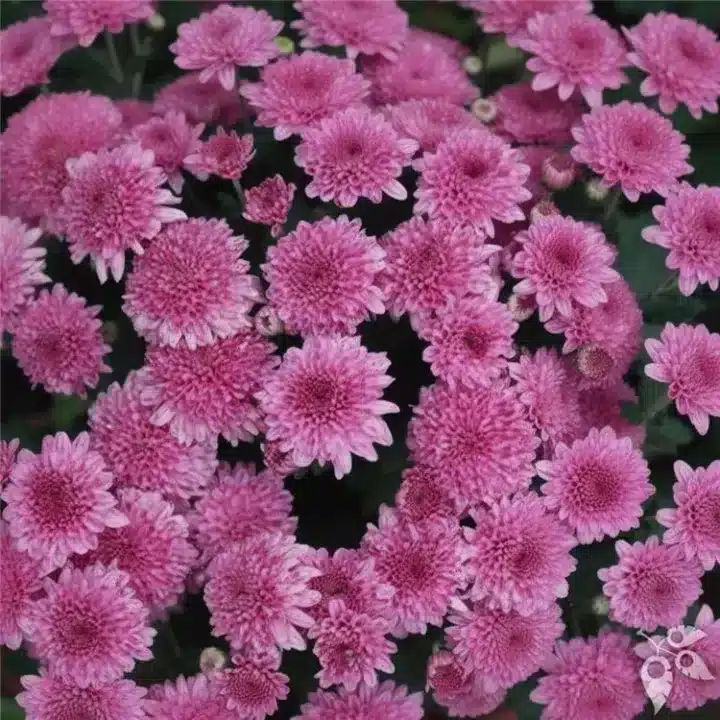
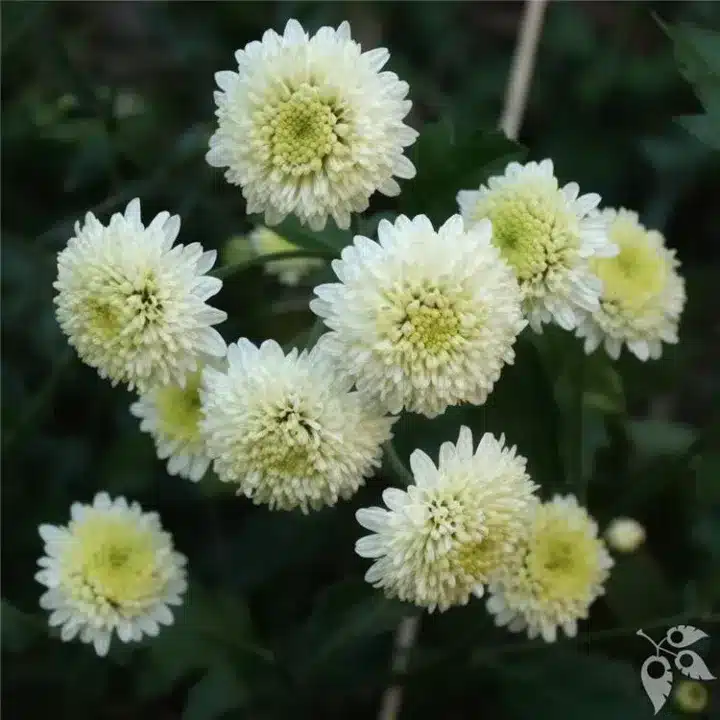
<p>The Hardy Chrysanthemum, with its botanical name Chrysanthemum morifolium, is a beloved perennial renowned for its vibrant blooms that add a splash of color to gardens in late fall, a time when many other plants are fading. Characterized by its lobed, dark green leaves and robust nature, this plant offers a diverse palette, with flowers ranging from white, pink, yellow, and red to purple and bronze. A well-loved choice in landscaping, the Hardy Chrysanthemum is perfect for boarders, containers, or as a vivid focal point in garden beds. Its origins trace back to Asia, but it has been widely cultivated and hybridized, leading to a variety of forms that cater to different aesthetic preferences. Blooming typically occurs from September through the first frosts, providing essential late-season nourishment to pollinators such as bees and butterflies drawn to their rich, nectar-filled blossoms. The Hardy Chrysanthemum is particularly noted for its resistance to deer, which makes it an ideal choice for areas prone to these curious grazers. Furthermore, they possess a commendable tolerance to short drought periods once established, though they thrive best in well-drained, fertile soil with regular watering. It is noteworthy that some varieties have naturalized in specific regions, prompting considerations of invasive potential; garden cultivation should consider local guidelines and practices to prevent uncontrolled spreading. Unlike some chrysanthemum varieties, the Hardy Chrysanthemum is not known to be toxic, making it a safer option for gardens frequented by pets or children. Distinguishing the Hardy Chrysanthemum from similar species are its particularly dense and bushy growth alongside its extensive variety of cultivars bred for specific traits, such as bloom size and form, ranging from daisy-like to more intricate anemone types. This adaptability and diversity make it an exceptional choice for gardeners looking to achieve a prolonged and captivating floral display.</p>
When to Plant Mums
Plant garden mums in spring to give them a full season to establish so they return the next year. Mums planted in fall add instant color but are less likely to survive winter.
How to Plant Mums
<p>To propagate Hardy Chrysanthemum, start by selecting healthy stem cuttings, about 3-4 inches long, from a vigorous plant. Ensure each cutting has at least 3-4 sets of leaves. Remove the leaves from the lower half of the cutting and dip the cut end into a rooting hormone powder to enhance root development. Place the cutting into a pot filled with a well-draining propagation mix, such as a combination of perlite and peat moss. Water lightly to settle the mix around the cuttings. Cover the pot with a clear plastic bag to maintain humidity. Keep the cuttings in a well-lit area out of direct sunlight at a temperature between 65-75°F. Roots should develop in 4-6 weeks.</p><p>To plant Hardy Chrysanthemum, choose a site with full sun exposure and well-drained soil. Dig a hole twice as wide as the root ball and equal in depth. Mix garden soil with organic matter, such as compost, to improve drainage and fertility. Place the plant in the hole so the top of the root ball is level with the surrounding soil. Backfill the hole gently, ensuring there are no air pockets. Water thoroughly after planting to settle the soil around the roots. Mulch around the base of the plant to retain soil moisture and suppress weeds.</p>
Mums Care
<p>To ensure optimal care for Hardy Chrysanthemum, plant them in well-drained soil enriched with organic matter, maintaining a pH between 6.5 and 7.0. Position them in a location with full sun exposure for at least six hours daily, which promotes robust flowering. Water them consistently, ensuring the soil remains moist but not waterlogged, especially during dry spells. Apply a balanced, slow-release fertilizer in early spring and again in mid-summer to support growth and bloom development. Regularly deadhead spent flowers to encourage continued blooming and prune back after the first killing frost to tidy the plant and prepare it for overwintering. Mulch around the base with organic material to help retain moisture and regulate soil temperature. Keep an eye out for pests like aphids and spider mites, using insecticidal soap or neem oil as needed. Promoting good air circulation around plants can prevent disease issues like powdery mildew. Divide the plants every three to four years in the spring to control size and rejuvenate blooms, ensuring they remain healthy and vigorous.</p>
Fertilizing Mums
<p>Fertilizing Hardy Chrysanthemum is beneficial to promote vibrant blooms and healthy growth. Use a balanced, water-soluble fertilizer with an NPK ratio of 20-20-20 or similar. Begin fertilizing in early spring when new growth starts, and continue every 4 to 6 weeks until mid-summer. Avoid fertilizing after late July to prepare plants for winter dormancy. During application, ensure the soil is moist to prevent root burn. Apply the fertilizer according to the product’s instructions, typically diluting it in water before pouring directly onto the soil around the base of the plants, avoiding foliage. Adjust the frequency based on local rainfall and temperature variations; reduce application during prolonged dry spells to prevent over-fertilization. Proper fertilization encourages robust health but do not over-fertilize, as this can lead to lush foliage at the expense of blooms.</p>
Pruning Mums
<p>Prune Hardy Chrysanthemum in early spring when new growth begins, typically after the last frost. This encourages bushier growth and more blooms. Use clean, sharp shears to remove dead or damaged stems, cutting back to healthy tissue. Pinching back tips of new growth every few weeks until early summer promotes dense foliage and more flowers. Stop pinching by mid-July to allow buds to form. Avoid pruning after buds set, as this can reduce flowering. Do not prune in late fall or winter, as the plant benefits from retaining some protection against cold weather. After flowering, deadhead faded blooms to tidy the plant and prevent seed formation. Always ensure tools are sanitized to prevent disease spread.</p>
Mums Pests and Diseases
<p>Hardy Chrysanthemum is prone to several pests and diseases that require keen observation for effective management. Common pests include aphids, spider mites, and leaf miners. Aphids can be controlled by introducing natural predators like ladybugs or using insecticidal soap. Spider mites thrive in dry conditions; maintain humidity and regularly wash the foliage to deter them. Leaf miners cause visible trails on leaves; remove and dispose of affected foliage to prevent spread. As for diseases, powdery mildew and botrytis blight are prevalent. Powdery mildew appears as a white powdery coating on leaves and is best managed by improving air circulation and applying fungicidal sprays. Botrytis blight, indicated by gray mold on blossoms and leaves, requires prompt removal of infected areas and application of appropriate fungicides. Always ensure proper sanitation by cleaning up plant debris and rotating crops. Maintain healthy plants by avoiding overhead watering, ensuring well-drained soil, and providing adequate spacing for optimal air circulation to reduce pest and disease incidence.</p>


Are Mums Toxic to Cats and Dogs?
Yes. The ASPCA lists chrysanthemums as toxic to dogs, cats and horses. They can cause vomiting, diarrhea, drooling and skin irritation. If you think a pet has eaten a toxic plant, call your veterinarian or the ASPCA Animal Poison Control Center at (888) 426-4435.
Mums FAQs
Do mums come back every year?
Hardy garden mums are perennials in zones 5 to 9 and return when planted in spring and mulched over winter. Florist mums sold as gifts are usually not winter hardy.
How often should I water mums?
Keep the soil evenly moist, watering at the base when the top inch is dry. Potted mums in fall can need water every day in warm weather.
Should I pinch back mums?
Yes. Pinch the stem tips by about an inch every few weeks from spring until early July for bushier plants with more flowers.
Search thousands of plants for your zone with PlantTAGG Plant Search
The free PlantTAGG app gives you care reminders matched to your location and weather, plant ID and photo diagnosis, and answers to your gardening questions from Ask Emily.