


How to Grow and Care for Lilies



About Lily
Lily (Lilium – Asiatic hybrids) grows 1 to 4 feet tall and is hardy in USDA zones 3 to 9. It grows best in full sun to part sun with medium water.
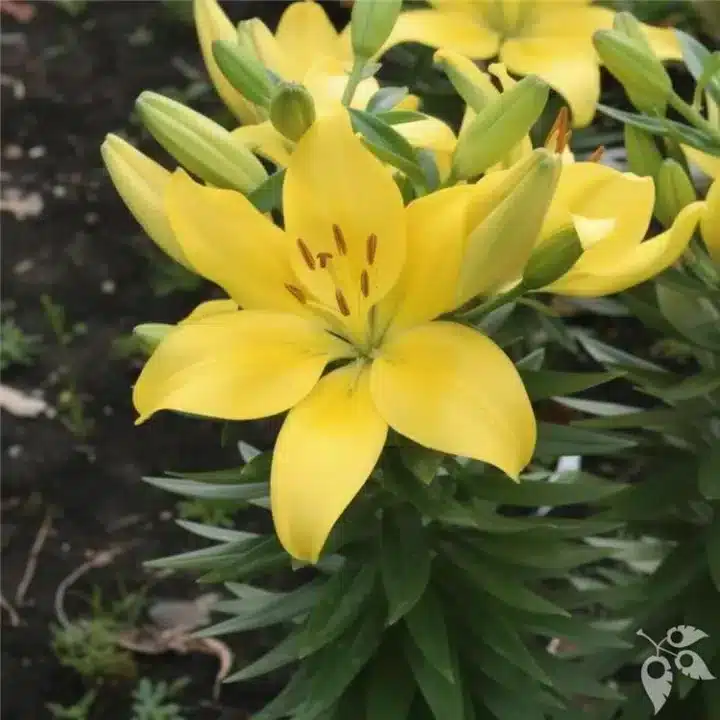
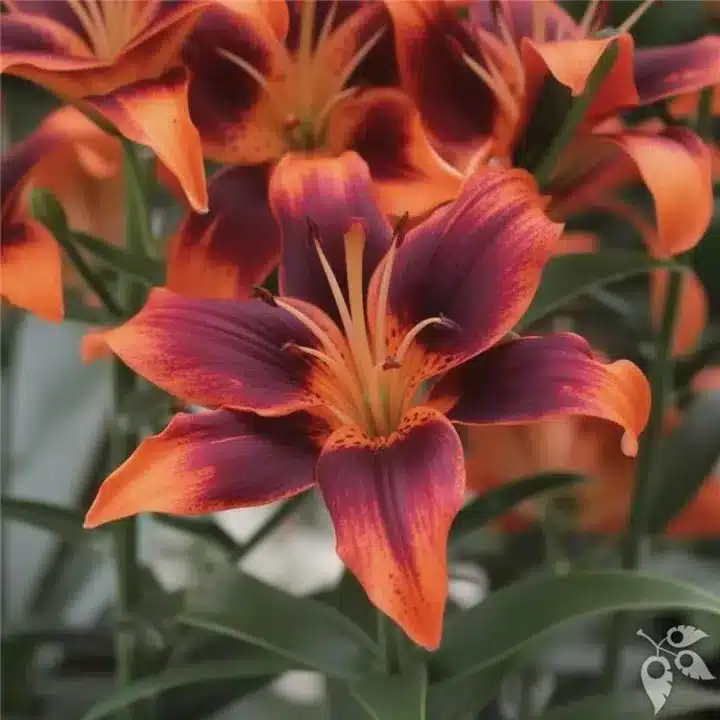
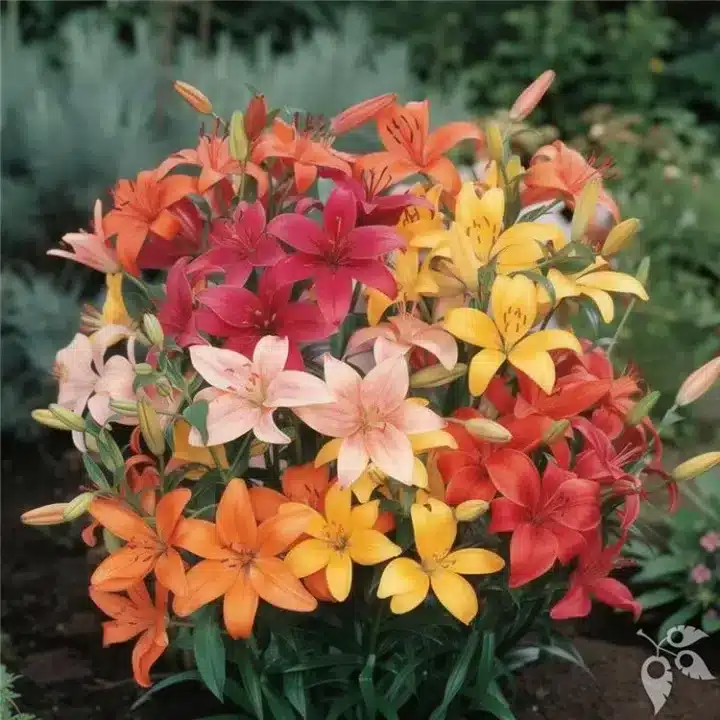
Known for their strikingly bold colors ranging from yellow, pink through to red and orange, the Asian Lily is an easily grown, stunning hybrid lilium that boasts an exotic and timeless charm. Celebrated for its remarkable hardiness, the Asian Lily is a popular choice for both beginner and veteran gardeners alike due to its longevity and low-maintenance nature. Hailing from eastern Asia, this breed can be traced back to various regions including the Koreas, China, and Japan. The luminous flowers typically bloom from late spring into the summer, providing months of resplendent color. To stimulate and maintain a robust bloom, it is recommended that they be planted in a sunny spot, although partial shade is generally tolerated. They prefer well-drained soil, although an annual top-dressing of compost can help ensure flourishing growth. The Asian Lily acts as a beacon for bees, butterflies, and hummingbirds, which are irresistibly attracted to their rich, nectar-filled blooms, and these pollinators go on to play an essential role in promoting a vibrant and biodiverse garden ecosystem. Moreover, this plant has impressive resistances, known to be notably deer-resistant, making it a robust contender against nature’s forces. It should be noted, however, that while this plant is quite resistant to pests, lily beetles can pose a threat, and it’s important to be vigilant. The Asian Lily is not seen as an invasive species, and so can safely be incorporated into a variety of gardens without threatening the integrity of native local flora. Despite their benign and appealing exterior, it is important to note for pet owners, Asian Lilies are extremely toxic to cats, and care should be taken to ensure pets do not have access to them. For homeowners interested in craft or floral arrangements, these lilies also make extremely beautiful cut flowers, perfect for adding a pop of color inside the home. In summary, the Asian Lily is a garden staple due to its ease of care, vibrant appearance, and hardy nature.
When to Plant Lilies
Plant lily bulbs in fall, a few weeks before the ground freezes, or in early spring as soon as the soil can be worked.
How to Plant Lilies
Propagation of the Asian lily is typically done through a process known as scaling, which involves separating the bulb scales from the basal plate of the plant. To do this, gently twist each scale until it breaks away at the base. Prepare a mixture of one part bleach to nine parts water, and let the scales soak in it for approximately five minutes to depopulate bacteria and fungi. Rinse afterwards and allow the scales to dry on a clean paper towel. While waiting for the scales to dry, prepare a blend of one part peat moss to one part vermiculite in a sealable bag. Introduce the scales to this mixture, then seal the bag securely. Store it in a cool, dark place and check periodically for mold. After about 6 weeks, you will start to see tiny bulblets forming at the base of each scale. Once these bulblets have three to four small roots, they are ready for planting. Prepare a bed of good quality soil where they will receive full day sun, accentuating proper drainage. Plant the bulblets 1-2 inches (2.5-5 cm) apart and just beneath the surface of the soil, roots facing downwards.
Lily Care
The Asian Lily requires well-drained, moderately moist soil with a slightly acidic pH, and prefers a spot with full to partial sun exposure. In spring, plant the bulbs 4-6 inches deep, spaced 12-18 inches apart and provide a slow-release granular fertilizer. Ensure regular watering but avoid oversaturating the soil, as this can cause bulb rot. Monitor the plant for pests and diseases including lily beetles, aphids, and botrytis, and use organic or chemical treatments if necessary. During summers, maintain consistent moisture levels and apply a layer of mulch to keep the roots cool and conserve water. Deadhead spent flowers to direct the plant’s energy towards bulb growth, but leave the foliage until it turns yellow and dies off. In autumn, cut back the yellow foliage to ground level and apply a layer of compost to provide nutrients for the next spring’s growth. It’s important to protect the plant in winter by applying a 4-6 inch layer of mulch to protect the bulbs from freezing. You may also lift the bulbs and store them in a frost-free environment until the next planting season if your winters are particularly harsh. Regularly rotate the planting spot every few seasons to prevent disease build-up.
Fertilizing Lilies
For optimal growth, fertilize Asian Lilies with a balanced, slow-release granular fertilizer with an NPK ratio of 10-10-10 or a slightly higher phosphorus content, such as 5-10-5, to encourage flowering. Apply fertilizer in early spring as new growth appears, dispersing it evenly around the base while avoiding direct contact with the stems to prevent burning. Water thoroughly after application to help nutrients penetrate the soil. Avoid fertilizing after mid-summer as this can promote foliage growth at the expense of bulb development. If grown in containers, a liquid fertilizer with the same NPK ratio applied every 4-6 weeks during the growing season can be beneficial. Adapt fertilization frequency based on local climate conditions, reducing frequency in regions with rich, naturally fertile soil.
Pruning Lilies
To effectively prune your Asian Lily, it’s important to avoid conventional pruning methods as they aren’t ideal for this type of plant. Instead, deadheading, or removing spent blooms, is the most crucial care step, and should be done regularly throughout the blooming season to redirect energy back to the bulb for next year’s growth. Once the plant has bloomed and the flowers have faded, you should use sharp, clean shears to cut off the blooms. Timing is also vital: avoid pruning when the plant is actively growing or blooming, focusing instead on the post-bloom period. Care is needed while deadheading only to remove the flower and not any leaves or stalks, allowing photosynthesis to continue and energy to accumulate in the bulb. Finally, note that unlike many other plants, the Asian Lily requires its foliage to fully yellow before removing them at the ground level, generally in the late fall.
Lily Pests and Diseases
The Asian Lily can be subjected to several common pests and diseases. To identify and treat these adverse conditions, begin with a visual inspection for unusual leaf discoloration, which can signify the presence of virus-like Lily Disease. If found, remove and discard diseased bulbs to prevent spread. For visible pests such as aphids, beetles, and slugs, use organic methods such as neem oil, diatomaceous earth, or introducing predatory insects. If the infestation is advanced, consider chemical pesticides. Watch for the presence of fungal diseases like Botrytis blight or Basal Rot. The former shows up as spots on flowers and leaves, while the latter causes browning and wilting. Treat with a fungicide and improve aeration around the plant. Bulb nematodes may also plague your Asian Lily. These microscopic roundworms cause swollen growths and stunted plants. Unfortunately, infested bulbs will need to be discarded as nematodes are difficult to eliminate. Regularly monitor your plant for these issues, ensure good growing conditions, and promptly address any problems to maintain a healthy Asian Lily.


Are Lilies Toxic to Cats and Dogs?
Yes, and lilies are especially dangerous to cats. The ASPCA warns that eating even small amounts of any part of a true lily, including pollen or vase water, can cause kidney failure in cats. Contact your vet immediately if a cat is exposed. If you think a pet has eaten a toxic plant, call your veterinarian or the ASPCA Animal Poison Control Center at (888) 426-4435.
Lily FAQs
How deep do you plant lily bulbs?
Plant lily bulbs 6 to 8 inches deep, about three times the bulb’s height, in well-drained soil.
Do lilies come back every year?
Yes. Asiatic and Oriental lilies are hardy perennial bulbs that return and multiply each year in suitable zones.
What should I do after lilies bloom?
Remove spent flowers but leave the stem and leaves standing until they turn yellow in fall, so the bulb can store energy for next year.
Search thousands of plants for your zone with PlantTAGG Plant Search
The free PlantTAGG app gives you care reminders matched to your location and weather, plant ID and photo diagnosis, and answers to your gardening questions from Ask Emily.