


How to Grow and Care for Dahlias

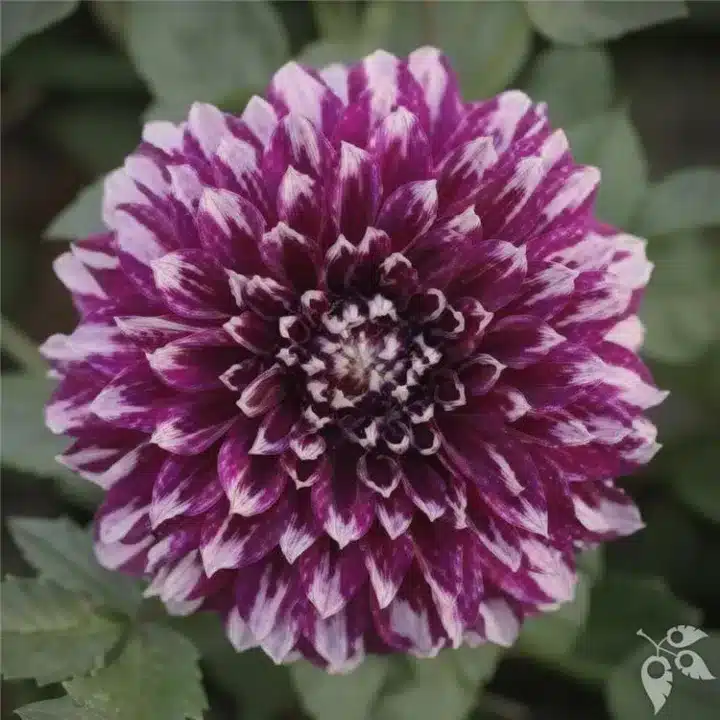


About Dahlia
Dahlia (Dahlia spp.) grows 1 to 7 feet tall and is hardy in USDA zones 8 to 11. It grows best in full sun with medium water.
Dahlias are stunning plants that deliver excitement to almost any garden style. They exist in a wide selection of shapes, colors, and sizes and look as lovely in floral arrangements as they do in beds and borders. Dahlias bloom in shades of red, pink, white, orange, deep purple, yellow, and more. Some are even multi-hued with contrasting colors just at the tips of the petals, and others are multi-striped. The flowers may be miniature buttons, pom-poms, or huge, flamboyant blossoms. Dahlias bloom from midsummer to fall on tall, slender stems that may grow from 1-7 feet tall. They are tuberous, herbaceous perennials with dark green, opposite, pinnately divided leaves. The oval or lance-shaped leaves may appear green, reddish-purple, or deep purplish black with serrated margins. Dahlias can be grown as annuals outside USDA hardiness zones 8-11. Most modern Dahlias are hybrids, or varieties descended from the original native Dahlias of Mexico and Central America. So many new and diverse hybrids exist, it is necessary to classify them by color, height, and blossom size. Many cultivars have received the prized ‘Award of Garden Merit’ presented annually by the Royal Horticultural Society to plants of outstanding beauty and performance. Popular because they offer so many beautiful choices, Dahlias are often grown in special collections for flower exhibitions. The categories include Anemone, Ball, Cactus-Flowered, Dwarf, Formal Decorative, Informal Decorative, Miniature, Orchid Flowering, Peony, Pom-pom, and Single, among others. Most people don’t realize that Dahlias are edible plants, but for the ancient Aztecs they were a source of food as well as a sacred religious symbol. Dahlias are close relatives of both sunflowers and Jerusalem artichokes of the Asteraceae family, with edible petals and bulbs. The first Dahlias ever seen outside of Central America were brought to Spain in 1789. They were kept secret by the gardener to King Charles IV of Spain and were closely guarded so that no one outside the kingdom could enjoy them. The flower became very popular around 1830, when Empress Josephine de Beauharnias of France grew her own and shared them. The Dahlia has been called the ‘Houdini of the Garden’ due to its myriad colors and shapes. It was also nicknamed the “Queen of the Autumn Garden,” since it naturally blooms in fall. The Dahlia plant was named by Antonio Jose Cavanilles, Director of the Royal Gardens of Madrid, who named it after another botanist named Anders Dahl.
When to Plant Dahlias
Plant dahlia tubers outdoors after the last spring frost, once the soil reaches about 60°F. In zones colder than 8, dig and store the tubers indoors over winter.
How to Plant Dahlias
Garden centers sell Dahlias as root divisions, pot roots, and green plants. They grow from tuberous roots that resemble a sweet potato. Stems taken from the parent plant produce buds that grow into a new plant. Pot roots are developed from stem cuttings that have been allowed to mature in pots, and green plants are those grown from 5-inch-long stem cuttings. Root divisions must be laid on their sides in deep planting holes. A tuberous-rooted plant has all its “eyes,” or growing tips, at the base of the original stem. To propagate the plant, a section of the original stem must be included in every piece that is cut and planted. Clumps can be divided and lifted in late winter. Although seed can be sown, new plants may not resemble the parent plants. Dahlias need bright sunshine to light shade, with at least 3-4 hours of direct sunlight per day. While they tolerate most soils, they need rich organic amendments, such as compost, with phosphorous. They perform best in slightly acidic soil with a pH ranging between 6.1 and 6.5 and should be spaced 1-4 feet apart.
Dahlia Care
New plants should be watered thoroughly until shoots appear above the ground, after which the soil should be allowed to dry between each watering. In colder climates, tubers should be dug and stored into plastic bags after the foliage has withered and died back.
Fertilizing Dahlias
Dahlias perform best with a spring application of a slow release 5-10-10 fertilizer, according to the directions on the product label. They require little nitrogen but do need potassium and phosphorous. It is important not to overfertilize to avoid yellowing leaves and leggy plants.
Pruning Dahlias
Dahlias should be pruned in late fall, after the foliage begins to die back. Deadheading spent flowers is very important to prolong the bloom period. The central bud of the dahlia plant should be pinched in early summer to encourage lateral branching. It is helpful to remove the lower leaves along the bottom of the stem, so they do not touch the soil. This helps prevent insect damage.
Dahlia Pests and Diseases
Dahlias can be attacked by aphids, Japanese Beetles, slugs and snails, Botrytis, and bulb rot. The selection of quality bulbs that are not spotted or soft will discourage many pests and diseases. Slugs and snails can be trapped or removed. Japanese Beetles can be treated with neem oil or pyrethrin products at the first sign of leaf damage. Aphids can be rinsed away by a strong spray of water or treated with insecticidal soap. If plants are infected with Botrytis or rotted bulbs, it is important to immediately prune away and destroy infected parts. All insecticides should be used only after carefully reading the directions on the product label.


Are Dahlias Toxic to Cats and Dogs?
Yes. The ASPCA lists dahlias as toxic to dogs, cats and horses, causing mild stomach upset and skin irritation. If you think a pet has eaten a toxic plant, call your veterinarian or the ASPCA Animal Poison Control Center at (888) 426-4435.
Dahlia FAQs
How deep do you plant dahlia tubers?
Plant tubers 4 to 6 inches deep with the eye (growing point) facing up, and do not water until shoots appear.
Do dahlias need to be staked?
Tall and large-flowered dahlias need stakes set at planting time to keep stems from breaking in wind and rain.
How do I store dahlia tubers over winter?
After the first frost blackens the foliage, dig the tubers, let them dry for a few days, then store them in barely damp peat or wood shavings at 40 to 50°F.
Search thousands of plants for your zone with PlantTAGG Plant Search
More from the PlantTAGG blog
The free PlantTAGG app gives you care reminders matched to your location and weather, plant ID and photo diagnosis, and answers to your gardening questions from Ask Emily.