Get care reminders for Foxglove tailored to your yard with the free PlantTAGG appDownload PlantTAGG on the App StoreGet PlantTAGG on Google Play

How to Grow and Care for Foxglove

Foxglove (Digitalis purpurea)
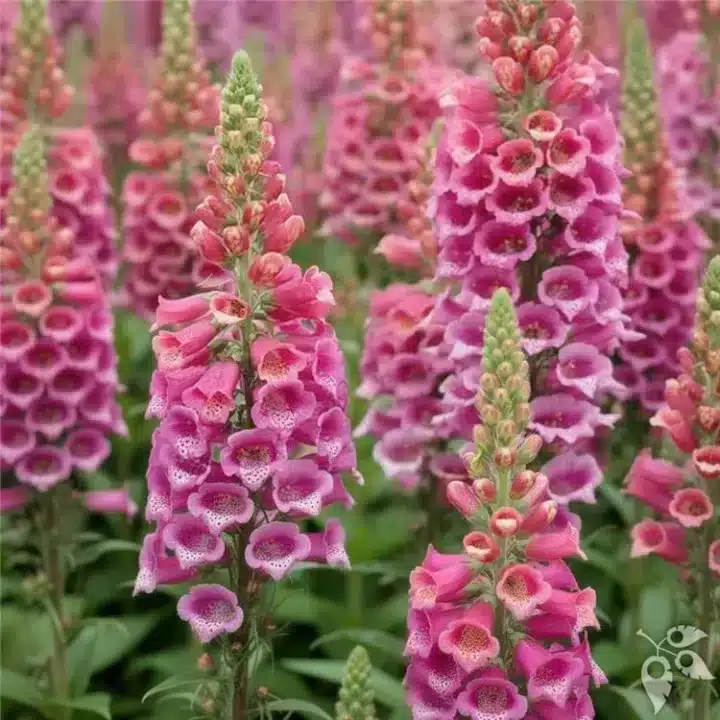
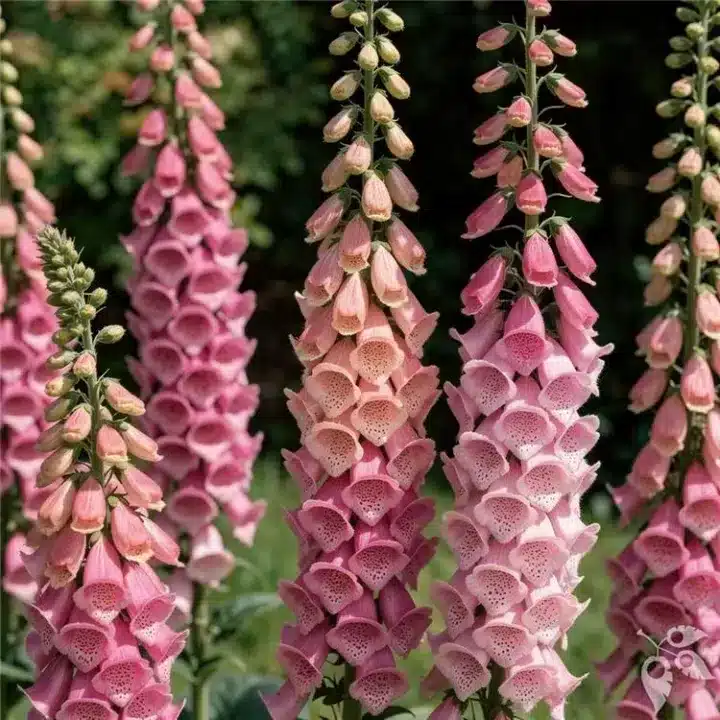
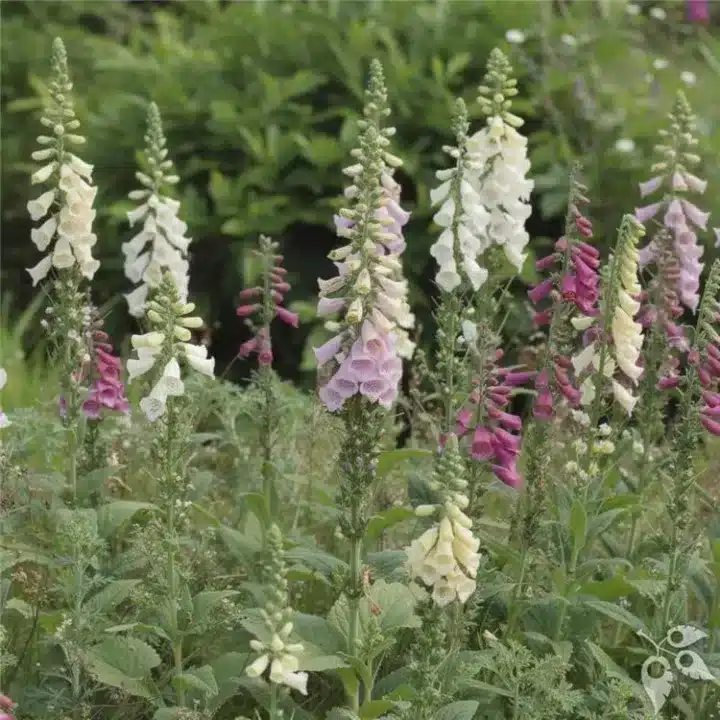
Foxglove (Digitalis purpurea) Foxglove (Digitalis purpurea) Foxglove (Digitalis purpurea) Foxglove (Digitalis purpurea)
Full Sun – 6+ hours of sunHigh WaterAttracts PollinatorsDeer Resistant
Common Name: Foxglove
Botanical Name: Digitalis purpurea
Category: Perennial
Lifecycle: Biennial, Perennial
USDA Symbol: DIPU
Hardiness Zones: 4A – 9B
Sun: Full Sun (6+ hours), Part Shade (2-4 hours)
Water: High
Soil: Adaptable
pH: Slightly Acidic (6.1-6.5)
Height: 2 to 5 ft
Spread: 1 to 2 ft
Spacing: 1 to 3 ft
Growth Rate: Rapid
Bloom Time: Spring, Summer
Bloom Color(s): Pink, Purple, White, Lavender
Leaf Shape: Ovate
Leaf Arrangement: Alternate
Leaf Retention: Deciduous

About Foxglove

Foxglove (Digitalis purpurea) grows 2 to 5 feet tall and is hardy in USDA zones 4 to 9. It grows best in full sun to part shade with high water.

Foxglove is an erect poisonous perennial herb with a basal rosette of downy leaves that originated in Europe. Digitalis purpurea is a biennial, only a rosette of leaves appears the first year. Foxglove is grown for flowers that appear in the second year. All parts of Foxglove contain a cardiac glycoside that is poisonous to humans, cats, children, dogs, and horses. Small amounts of the plant have been used as an herbal treatment for heart failure. Foxglove is grown for the terminal raceme that is a large pendulous of flowers. Foxglove has a USDA Plant Hardiness Zone of 4-9. The blooms are present from late spring until early summer. Digitalis purpurea prefers morning sun with afternoon shade and moist, well-drained, slightly acidic soil. Foxglove grows 2′ to 5′ in height and 1′ to 2′ in width. Foxglove will require supplemental watering in dry conditions and during warm summer days. Foxglove is grown for the funnel or tubular-shaped blooms, available in cream/tan, pink, purple, and white colors. The 6 inch long leaves are simple, deciduous, green in color with a velvety feel arranged alternately or rosulate. The stems are green with a hairy surface. Digitalis purpurea develops a rounded capsule fruit that splits open to release numerous small brown seeds. Each plant requires 1 to 3 feet of space. Foxglove may be utilized in cottage or pollinator gardens as a border, mass planting, or small groups. Foxglove should not be planted where children, pets, or livestock have access.

When to Plant Foxglove

Plant foxglove in spring or early fall. Sow seed in late spring or summer for flowers the following year, since common foxglove is a biennial.

How to Plant Foxglove

Foxglove should be planted in soil that is rich in organic material, well-drained, with a slightly acidic pH. A soil pH of 6.0 is preferred. Common foxglove prefers a morning sun exposure with partial shade in the afternoon. Foxglove must not be allowed to dry out. Foxgloves prefer cooler temperatures and may wilt in temperatures over 90 degrees. A 3-inch layer of mulch is suggested. The recommended propagation method is by seed. The seeds may be collected in the later fall from the fruit that appears during the second year after flowering.

Foxglove Care

Foxglove must not be allowed to become too dry. Because all parts of the plant are potentially fatal broken stems and leaves must routinely be discarded. Flowers taken into the home must not be accessible to pets or children.

Fertilizing Foxglove

An organic or slow-release 5-10-5 fertilizer may be used in the spring. Too much fertilizer will decrease flower production.

Pruning Foxglove

Because Foxglove is a biennial DO NOT deadhead the plants if reseeding is desired. Damaged plants should be removed and discarded.

Foxglove Pests and Diseases

Foxglove attracts aphids, beetles, mealybugs, nematodes, and mites. It is also plagued by anthracnose, crown rot from white fungal spores, verticillium wilt, and leaf spot. Treatment for pests using a foliar spray of Neem oil is suggested. Fungal diseases are best treated using a fungicide. Consult the label and any other instructions provided with any fungicide before use.

Is Foxglove Toxic to Cats and Dogs?

Yes, it is highly toxic. PlantTAGG does not rate foxglove as pet-friendly, and the ASPCA lists it as toxic to dogs, cats and horses. Every part contains cardiac glycosides that can cause dangerous heart problems. It is also poisonous to people. If you think a pet has eaten a toxic plant, call your veterinarian or the ASPCA Animal Poison Control Center at (888) 426-4435.

Foxglove FAQs

Does foxglove come back every year?

Common foxglove is a biennial: it grows leaves the first year, flowers the second and then dies. It reseeds readily, so new plants usually keep a patch going.

Does foxglove attract hummingbirds?

Yes. Its tall spikes of tubular flowers attract hummingbirds and bumblebees.

Is foxglove deer resistant?

Yes. Deer and rabbits avoid foxglove because of its toxic compounds.

Search thousands of plants for your zone with PlantTAGG Plant Search

Grow a healthier Foxglove

The free PlantTAGG app gives you care reminders matched to your location and weather, plant ID and photo diagnosis, and answers to your gardening questions from Ask Emily.

Download PlantTAGG on the App StoreGet PlantTAGG on Google Play
Close the Mobile Menu