


How to Grow and Care for Delphinium



About Delphinium
Delphinium (Delphinium spp.) grows 2 to 8 feet tall and is hardy in USDA zones 3 to 7. It grows best in full sun to part sun with medium water.
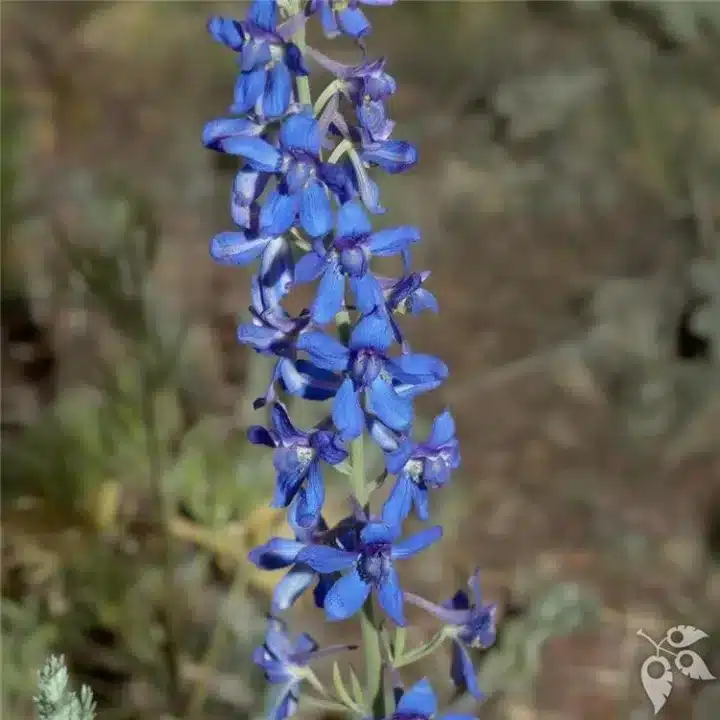
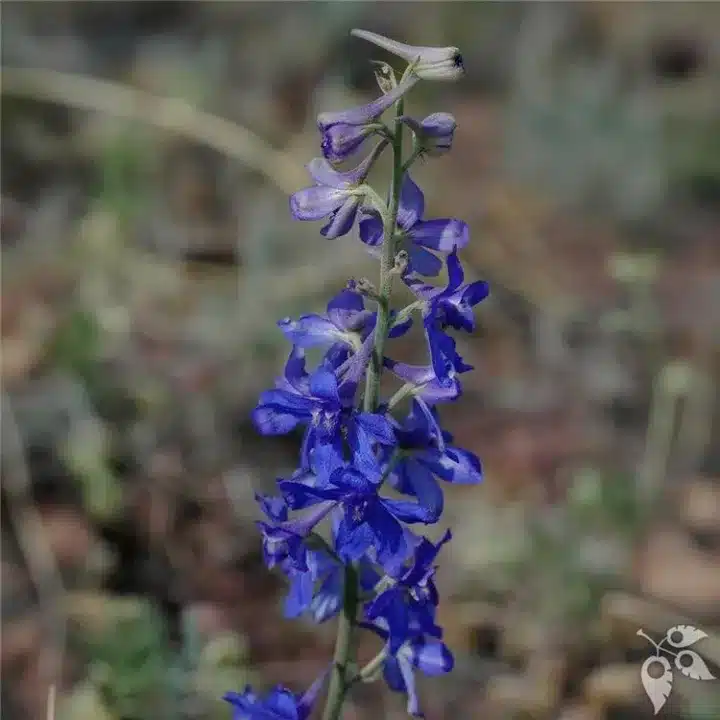
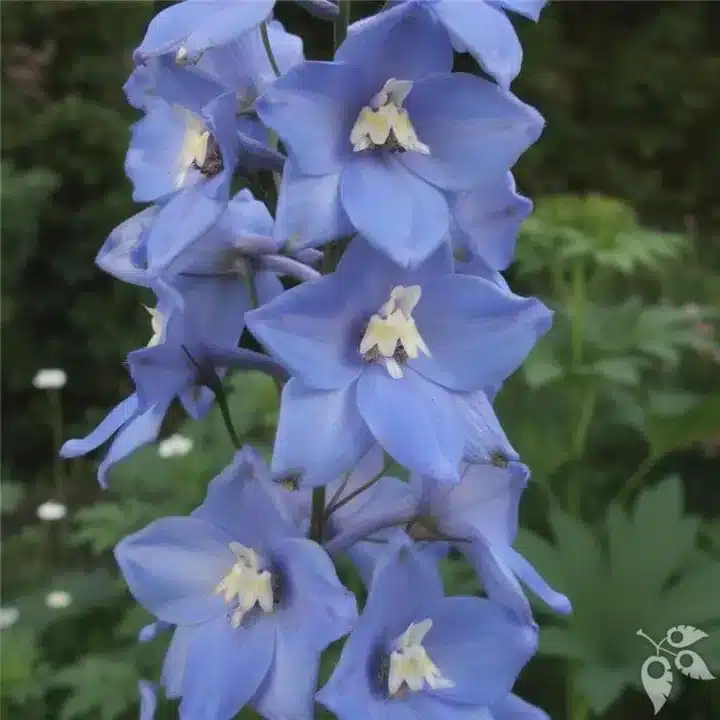
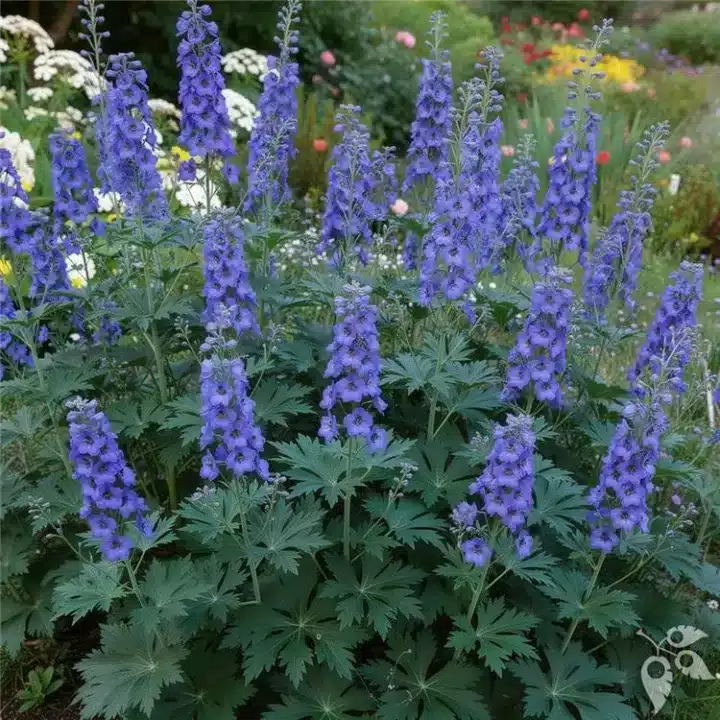
The Delphinium, a spectacular perennial, belongs to the Ranunculaceae family, emerging from the North Hemisphere’s mountainous terrain. Its striking, spiky blooms are frequently seen gracing perennial borders and cottage-style gardens. With its variety of rich colors – generally brilliant shades of indigo, but also including lavenders, pinks, and even whites – the Delphinium’s summer bloom is indeed a sight to behold. Blooms typically occur in late spring to early summer, often repeating in late summer or early fall if deadheaded. Basic care for Delphinium consists of full sun to part shade and well-drained, fertile soil. Being a heavy feeder, the plant benefits from regular feedings with a balanced plant food. Take note, though: it’s not fond of humidity or overly hot conditions. Fortunately, with proper care, it seems to come equipped with a fair degree of resistance to disease and pests. Attractants include butterflies and bees, as these stunning flowers provide an excellent nectar source that these pollinators can’t resist. However, despite the Delphinium’s many positives, it does have its detractions. It is considered toxic if ingested by humans or pets, plus, its tall stems may require staking to prevent wind damage. Furthermore, the plant’s presence may be short-lived in the garden as it is not particularly long-living. Despite these drawbacks, the Delphinium’s towering presence and stunning profusion of blooms make it a spectacular addition to any landscape, whether in the classic garden border, an English cottage garden, or even in striking voluminous containers.
When to Plant Delphinium
Plant delphiniums in spring after the last frost or in early fall, in rich, well-drained soil and a spot sheltered from strong wind.
How to Plant Delphinium
To propagate a Delphinium through seed, start by soaking the seeds in water for about 24 hours prior to planting. This will help to soften the seed coat and encourage faster germination. Use a seed starting mix in a flat and sow the seeds on the surface, covering them lightly with vermiculite or perlite. Keep the flat in a warm area with good light exposure. The seeds should sprout in 2-3 weeks. Once they’ve sprouted and grown to about 3 inches tall, transplant the seedlings into individual pots. Keep the young Delphinium watered, but avoid making the soil soggy, and provide them with plenty of light until they’re ready to be transplanted outdoors. When transplanting outdoors, ensure the soil is well-draining and rich in organic matter. Position the Delphinium in a spot that receives full sun to light shade, spacing the plants about a foot apart to allow for adequate air circulation. Keep the soil moist through regular watering, and feed the Delphinium with a balanced fertilizer every month during the growing season. Stake taller varieties to protect them from wind damage, and deadhead flowers after they fade to encourage a second bloom. It’s also beneficial to apply a layer of mulch around the plants to retain moisture and control weeds. For propagation through division, divide established plants in the spring or fall, replanting the sections immediately in prepared soil.
Delphinium Care
Delphinium requires a sunny location and well-draining, rich soil with a pH between 6.0 and 7.5, which should be prepared with organic material, such as compost, before planting. Water thoroughly after planting and maintain a consistent watering schedule throughout the year, avoiding overly wet or dry soil conditions, and supplement with a balanced, slow-release fertilizer in early spring and again in early summer for optimal growth. In spring, once the ground has thawed, prune away previous season’s stems to facilitate new growth. During the peak growing season, monitor for pests such as aphids and slugs, treating accordingly. In the heat of summer, apply a layer of organic mulch around the base of the Delphinium to help conserve moisture and help keep roots cool. Staking may be necessary as Delphinium grows to keep tall plants upright. Deadhead spent flowers throughout the summer to encourage repeat blooming. When autumn temperatures start to cool, cut Delphinium back to ground level and cover with a layer of mulch to protect the plant during winter. Uncover the plant at the start of spring, marking the beginning of a new growth season.
Fertilizing Delphinium
Delphinium benefits from fertilization to support its vigorous growth and prolific flowering. Fertilize in early spring when new growth appears and again in midsummer after the first blooming. Use a balanced, slow-release granular fertilizer with an NPK ratio of 10-10-10 or 14-14-14. Apply it at the recommended rate on the package, typically around 1 pound per 100 square feet, ensuring even distribution to avoid fertilizer burn. Lightly work the fertilizer into the soil surface and water thoroughly to aid nutrient absorption. In regions with poor soil fertility or where delphiniums are grown in containers, consider a monthly supplemental feeding with a liquid fertilizer, diluted to half strength during the growing season. Avoid fertilizing in late summer or fall to prevent a flush of growth susceptible to frost damage. Always ensure ample water following fertilization for best results.
Pruning Delphinium
The most beneficial time to prune your Delphinium is during the early spring season, just as it begins to exhibit new growth. Start with removing any dead or damaged stems from the previous year, cutting them back to the base of the plant. Once your Delphinium flowers in early summer, perform a second pruning to remove spent blooms. This encourages a second bloom in late summer or early fall. At the end of the growing season, a third pruning can be done to tidy up the plant; cut back the stems to ground level after the plant turns yellow or brown. Pruning after this or in the late fall or winter isn’t advisable as it may harm the plant’s ability to rejuvenate in the spring. Always disinfect your pruning tools before use to prevent disease spread.
Delphinium Pests and Diseases
Identifying common pests and diseases in a Delphinium plant involves a keen eye for symptoms and signs of infestation. Pests such as aphids, leaf miners, and slugs can easily infest your Delphinium. Aphids and leaf miners usually leave visible damage on the foliage—surfacing as abnormal discoloration, chewed leaves, or a sticky residue on the leaf surface. Slugs, in contrast, nibble on the leaves, leaving noticeable holes. Treatment for these pests involves spraying insecticidal soap or neem oil for aphids and leaf miners, while a simple hand-picking or use of slug traps can be effective for slugs. On the other hand, diseases often encountered in Delphiniums include powdery mildew, bacterial and fungal leaf spots, and Crown and Root Rots. Powdery mildew presents as a white, powdery substance on the leaves, while leaf spots appear as black or brown lesions. Crown and Root Rots often lead to wilting and decay at the base of the plant. Treatment for these diseases entails pruning affected parts, providing proper air circulation, and employing fungicides. For prevention, it is important to ensure good drainage, watering practices, and spacing to minimize the spread of pathogens.


Is Delphinium Toxic to Cats and Dogs?
Yes. PlantTAGG does not rate delphinium as pet-friendly, and the ASPCA lists it as toxic to dogs, cats and horses. Eating it can cause vomiting, weakness and heart problems. If you think a pet has eaten a toxic plant, call your veterinarian or the ASPCA Animal Poison Control Center at (888) 426-4435.
Delphinium FAQs
Do delphiniums need to be staked?
Yes. Tall delphiniums have hollow stems that snap in wind and rain. Stake them in spring, before the flower spikes form.
Will delphiniums bloom again?
Cut the flower spikes back to the base after blooming, and many plants send up a second, smaller round of flowers in late summer.
Why are my delphiniums dying in summer?
Delphiniums prefer cool summers and struggle in heat and humidity. In warm climates they are often grown as short-lived perennials or annuals.
Search thousands of plants for your zone with PlantTAGG Plant Search
The free PlantTAGG app gives you care reminders matched to your location and weather, plant ID and photo diagnosis, and answers to your gardening questions from Ask Emily.