Get care reminders for Clematis tailored to your yard with the free PlantTAGG appDownload PlantTAGG on the App StoreGet PlantTAGG on Google Play

How to Grow and Care for Clematis

Clematis (Clematis spp.)
Clematis (Clematis spp.) Clematis (Clematis spp.) Clematis (Clematis spp.) Clematis (Clematis spp.) Clematis (Clematis spp.)
Full Sun – 6+ hours of sunMedium WaterAttracts PollinatorsDeer Resistant
Common Name: Clematis, Leather Flower, Virgin’s Bower
Botanical Name: Clematis spp.
Category: Vine
Lifecycle: Perennial, Annual
USDA Symbol: CLEMA
Hardiness Zones: 4A – 9B
Sun: Full Sun (6+ hours), Part Sun (4-6 hours)
Water: Medium
Soil: Sandy Loam
pH: Moderately Alkaline (7.9-8.4)
Height: 5 to 15 ft
Spread: 5 to 15 ft
Spacing: 3 to 6 ft
Growth Rate: Moderate
Bloom Time: Spring, Summer, Fall
Bloom Color(s): Pink, Purple, Red, White, Yellow, Blue, Lavender
Leaf Shape: Ovate
Leaf Arrangement: Alternate
Leaf Retention: Deciduous

About Clematis

Clematis (Clematis spp.) grows 5 to 15 feet tall and is hardy in USDA zones 4 to 9. It grows best in full sun to part sun with medium water.

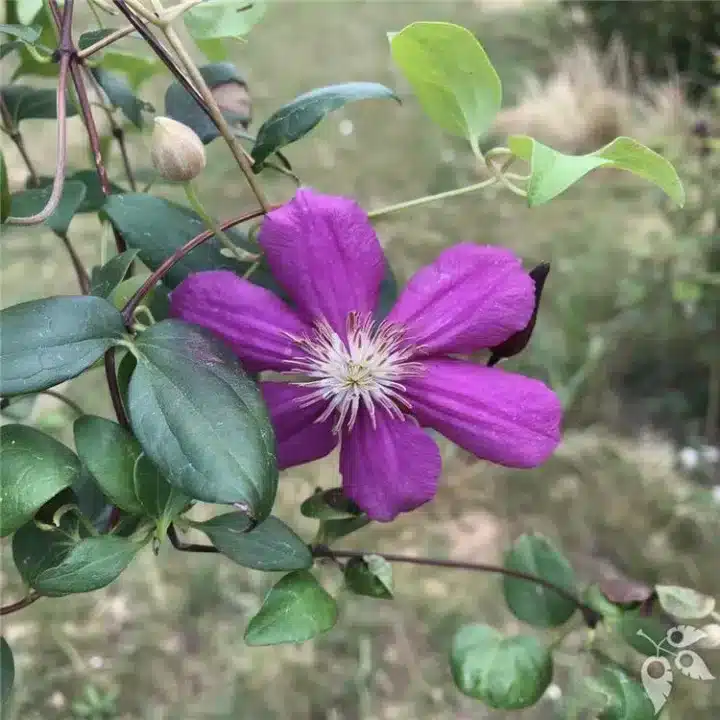
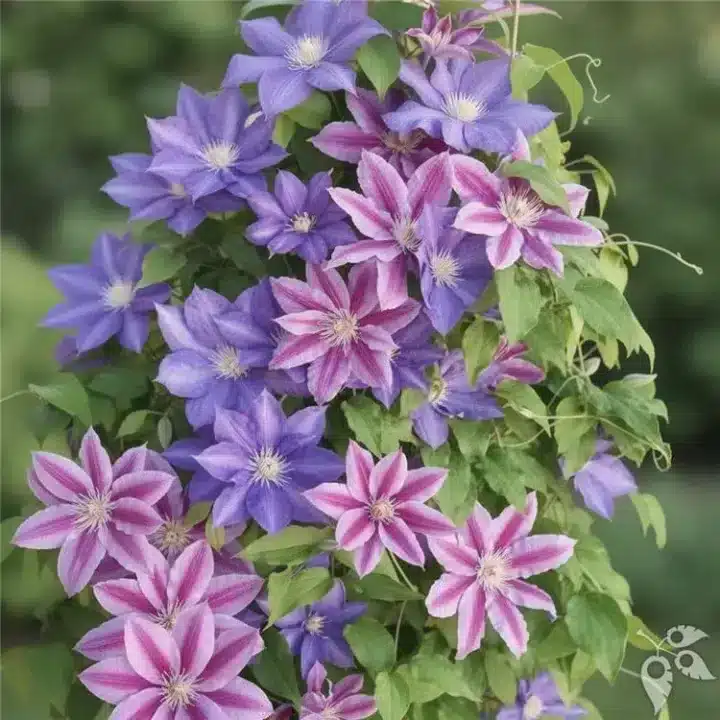
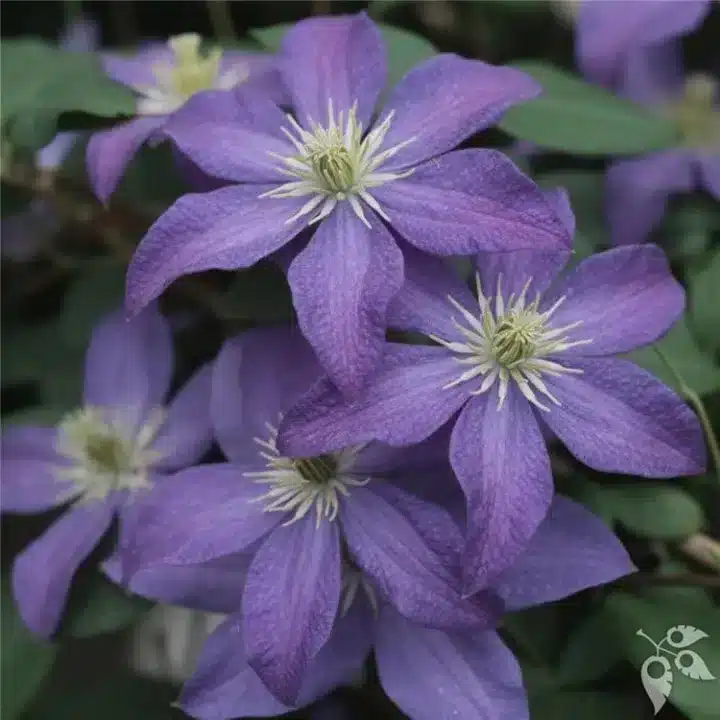
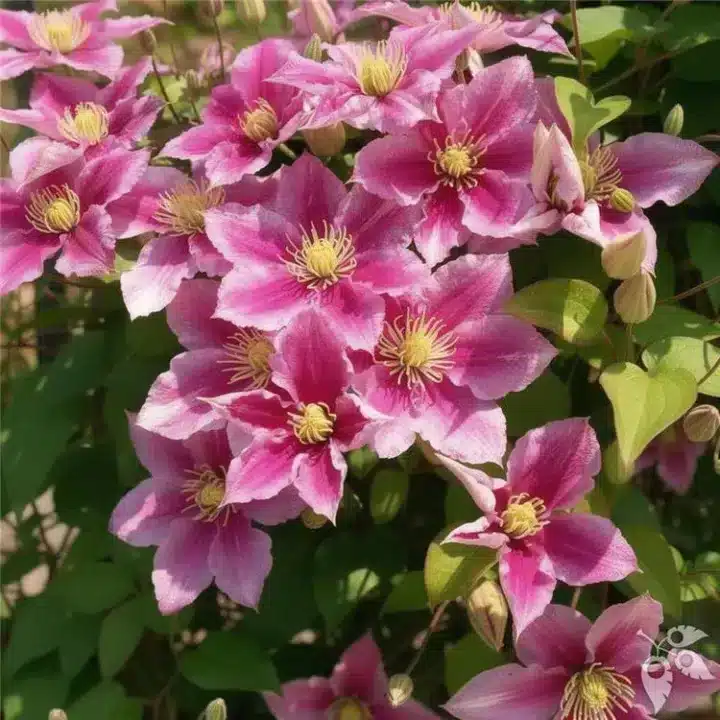
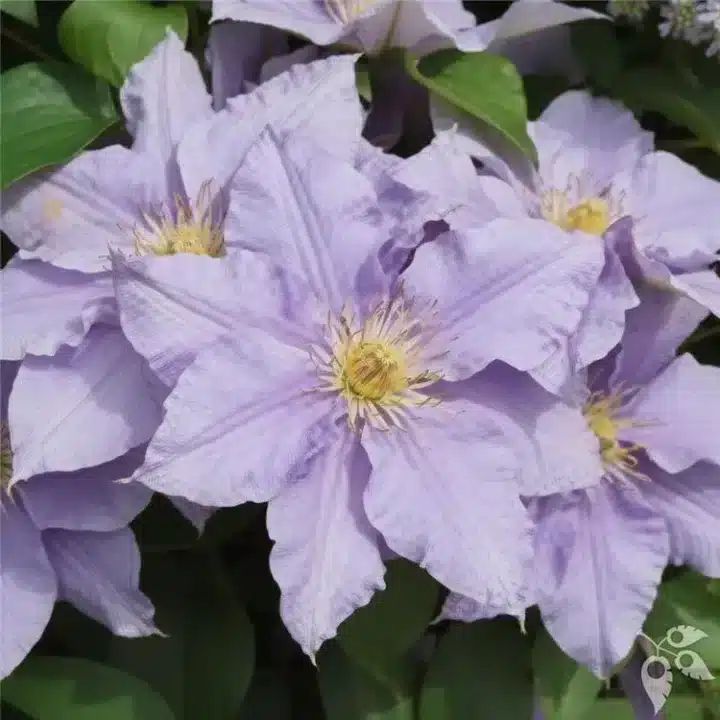
Clematis is a poisonous, woody, perennial, dense vine in the Ranunculaceae (buttercup) family with many species and cultivars. Clematis has a wide range of USDA hardiness zones (4-9). Clematis requires full sun, well-drained soil with a high content of organic matter with a slightly alkaline pH (8.0), and support for those varieties which grow in the form of vines. While many Clematis have a climbing vine habit other cultivars grow by spreading on the ground. Clematis has a wide native range in North America, Europe, the Far East, and Australia. Clematis features showy, fragrant flowers which are available in a variety of colors (blue, pink, purple/lavender, red/burgundy, variegated and white). The flowers are 4 to 7 inches wide with 4-20 petals. The flowers may be single or double. The flowers bloom from Fall, Spring, and Summer depending upon the USDA zone. The leaves are compound arranged alternately, deciduous, green, and glossy. Clematis is suitable for containers, vertical spaces, and landscape themes such as an Asian Garden, Buttery Garden, or a Pollinator Garden. All parts of Clematis are poisonous potentially causing contact dermatitis, vomiting, diarrhea, and (in humans) confusion.

When to Plant Clematis

Plant clematis in spring or early fall. Set the crown 2 to 3 inches below the soil surface and shade the roots with mulch or low plants.

How to Plant Clematis

Clematis should be planted in full sun (6 or more hours of sun) but it will tolerate some partial shade. The soil must be high in organic matter, slightly alkaline (>8) with good drainage and adequate moisture. Each plant will require 12 inches to 3 feet or 3′-6′ depending upon the variety. Clematis may be grown in pots in which case a loose high-quality potting soil is recommended.

Clematis Care

The upright vine forms of Clematis will require staking. Clematis with a spreading habit may need trimming or pruning. The soil in which clematis is planted should be maintained consistently moist. All parts of Clematis must be carefully discarded due to its toxicity.

Fertilizing Clematis

Clematis in pots and planted specimens should be fertilized using fertilizer solutions every 14 days from March to August. Specialized fertilizers have been developed for clematis, however, regular application of a general-purpose balanced fertilizer such as a slow-released 10-10-10 fertilizer is satisfactory.

Pruning Clematis

Clematis vines that bloom in the spring bloom on OLD wood, therefore when pruning must not be so severe the old wood is removed. Selected branch removal to control growth and to remove damaged branches is recommended.

Clematis Pests and Diseases

Clematis vines may contract leaf spot, Clematis wilt, Powdery Mildew, and Rusts. Leaf spot is reduced or prevented with adequate air circulation. Clematis wilt can be managed by removing disease leaves or entire branches. Leaf fungus may be treated with leaf fungicides.

Is Clematis Toxic to Cats and Dogs?

Yes. PlantTAGG does not rate clematis as pet-friendly, and the ASPCA lists it as toxic to dogs, cats and horses. It can cause drooling, vomiting and diarrhea. If you think a pet has eaten a toxic plant, call your veterinarian or the ASPCA Animal Poison Control Center at (888) 426-4435.

Clematis FAQs

When should I prune clematis?

It depends on the group. Spring bloomers (Group 1) are pruned right after flowering; large-flowered repeat bloomers (Group 2) get a light trim in late winter; late bloomers (Group 3) are cut back hard to about 12 inches in late winter.

Why is my clematis not blooming?

Pruning at the wrong time, too much shade or a young plant still establishing are the usual causes. Clematis often takes two to three years to bloom well.

Does clematis need a trellis?

Yes. Clematis climbs by twining leaf stems, so give it a trellis, fence or obelisk with thin supports it can wrap around.

Search thousands of plants for your zone with PlantTAGG Plant Search

Grow a healthier Clematis

The free PlantTAGG app gives you care reminders matched to your location and weather, plant ID and photo diagnosis, and answers to your gardening questions from Ask Emily.

Download PlantTAGG on the App StoreGet PlantTAGG on Google Play
Close the Mobile Menu