Get care reminders for Snapdragon tailored to your yard with the free PlantTAGG appDownload PlantTAGG on the App StoreGet PlantTAGG on Google Play

How to Grow and Care for Snapdragons

Snapdragon (Antirrhinum majus)
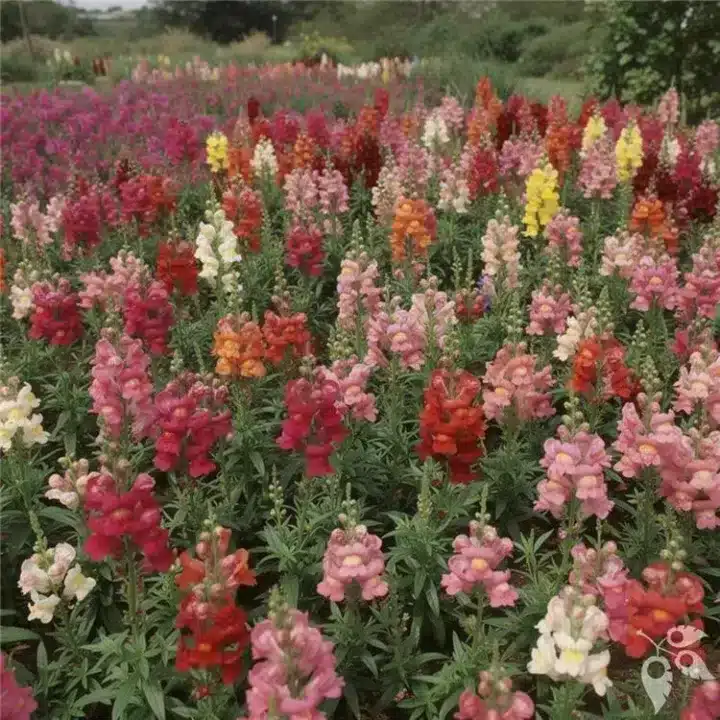
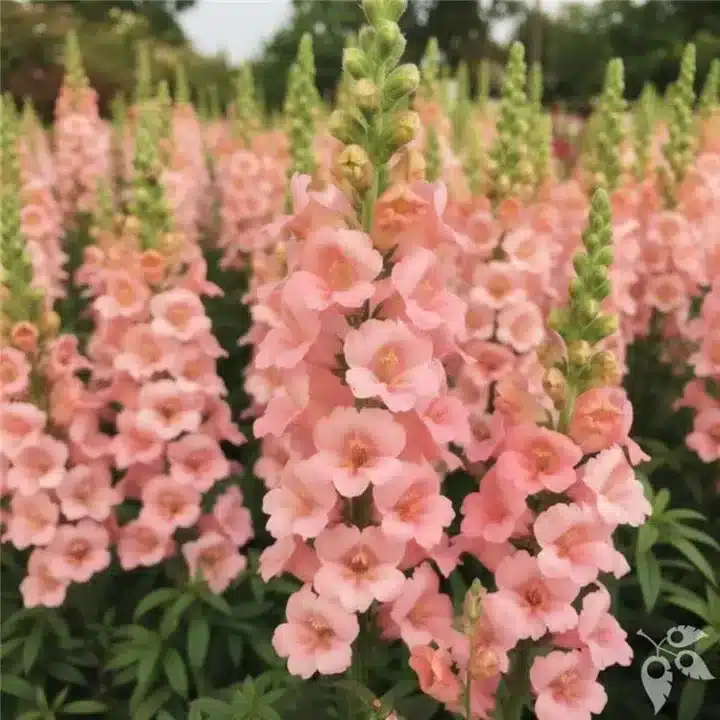
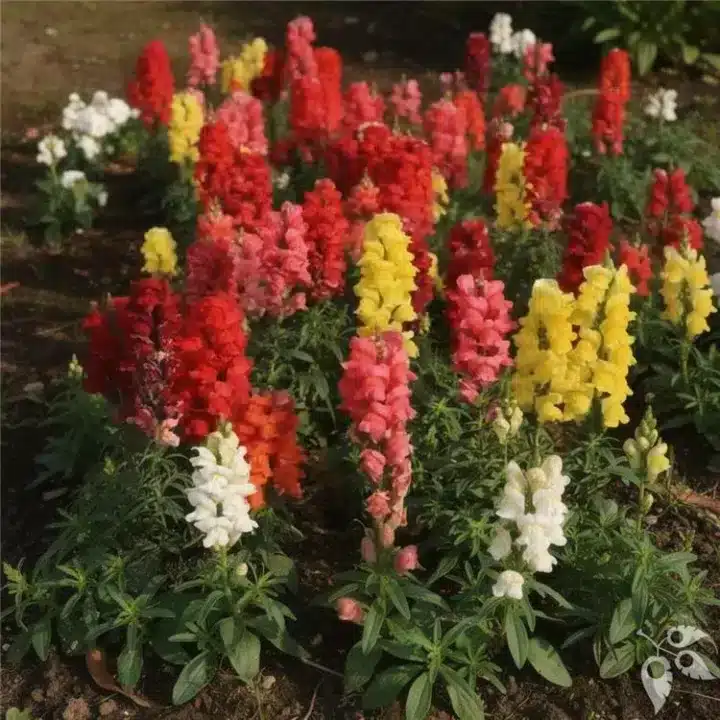
Snapdragon (Antirrhinum majus) Snapdragon (Antirrhinum majus) Snapdragon (Antirrhinum majus)
Full Sun – 6+ hours of sunMedium WaterAttracts PollinatorsPet FriendlyDeer Resistant
Common Name: Snapdragon, Snap Dragon
Botanical Name: Antirrhinum majus
Category: Annual
Lifecycle: Annual, Perennial
USDA Symbol: ANMA3
Hardiness Zones: 7A – 10B
Sun: Full Sun (6+ hours), Part Shade (2-4 hours)
Water: Medium
Soil: Loam
pH: Moderately Acidic (5.6-6.0)
Height: 1 to 3 ft
Spread: 6 to 12 in
Spacing: 6 to 12 in
Growth Rate: Moderate
Bloom Time: Spring, Summer, Fall
Bloom Color(s): Orange, Pink, Purple, Red, Violet, White, Yellow
Leaf Shape: Spatulate
Leaf Arrangement: Alternate
Leaf Retention: Annual

About Snapdragon

Snapdragon (Antirrhinum majus) grows 1 to 3 feet tall and is hardy in USDA zones 7 to 10; elsewhere it is grown as an annual. It grows best in full sun to part shade with medium water.

Antirrhinum majus, commonly known as ‘Snapdragon’, is so named from the Greek anti “instead” and rhis “nose” or snout”. The flower resembles a dragon’s snout, if ever there was someone who has seen such a thing. Domestication of snapdragons dates back as far as the Roman Empire, when the plant was thought to protect against witchcraft, illness, and poisonings. They were brought to America by the early colonists. Snapdragon plants can be annual or perennial, depending on the zone and the variety, while some varieties merely overwinter in mild winters, repeating as many as 3 years. Growing 6 inches to 3 feet tall, snapdragons have lance-shaped 3-6 inch leaves (some varieties are variegated), and 1-3 inch terminal racemes, meaning clusters of 2-lipped flowers along the top of stem. Native to southwestern Europe and the Mediterranean region, they are popular cottage garden flowers, as well as in containers. Snapdragons are available in almost every shade of purple, orange, yellow, pink and white. In addition to being very attractive cut flowers, these little gems are a great addition to salads or as a garnish as they are edible. Snapdragons thrive in full sun, but also do well in part shade, especially in warmer climates. They do best in USDA hardiness zones 7a-10b.

When to Plant Snapdragons

Snapdragons are cool-season flowers. Plant them in early spring a few weeks before the last frost, or in fall in zones 7 and warmer for winter and spring blooms.

How to Plant Snapdragons

Snapdragons can be started by seed or as small cuttings, but most residential gardeners prefer to purchase young plants from the nursery. If starting from seed or cutting, allow approximately 3 weeks for first true leaves to emerge, at which time transplanting is effective. Plant in well drained, rich soil, with a pH of 5.5-5.8 being ideal for the tiny seeds. Avoid excessive salts in the soil, as plant is sensitive, especially to ammonia.

Snapdragon Care

Plant snapdragons in early Fall in warmer climates, or just after frost in late Winter. They will bloom well in late Spring to Fall, but will appear to die out in extreme heat or cold. Their ideal daily temperature range is 65 to 75 F, (night temperature 55-65F) but have been known to withstand brief periods much more extreme. In the summer heat of the Southern U.S., these do best in Spring and Fall, frequently through winter and into Spring. Snapdragons need moderate amounts of water, but do best if soil can dry out between waterings to decrease risk of fungus.

Fertilizing Snapdragons

A 10-10-10 general fertilizer is beneficial at every third watering.

Pruning Snapdragons

Cutting spent bloom down to the green growth encourages more blooms. After Spring bloom, when snapdragon finishes blooming, cut it down to just a few inches from soil to encourage the next season of growth. Add compost or peat at this point and water well.

Snapdragon Pests and Diseases

Most diseases of snapdragons are caused by overwatering or not allowing soil to dry out between waterings. These include wilt, root rot, powdery mildew, downy mildew, Botrytis blight, and rust, all of which can be remedied by correct watering, removal of affected leaves, and fungicide as needed. But don’t hesitate to use snapdragons, as they are a wonderful cut flower, or for garden or containers,

Are Snapdragons Toxic to Cats and Dogs?

No. PlantTAGG rates snapdragons as pet-friendly, and the ASPCA lists them as non-toxic to dogs, cats and horses. If you think a pet has eaten a toxic plant, call your veterinarian or the ASPCA Animal Poison Control Center at (888) 426-4435.

Snapdragon FAQs

Do snapdragons come back every year?

Snapdragons are short-lived perennials in mild climates and often return or reseed, but most gardeners grow them as annuals.

Why did my snapdragons stop blooming?

Snapdragons slow down in summer heat. Cut them back after the first flush and they usually bloom again when temperatures cool in fall.

Do snapdragons need staking?

Tall varieties over 2 feet benefit from staking or netting, especially in windy spots. Dwarf and medium types stand on their own.

Search thousands of plants for your zone with PlantTAGG Plant Search

Grow a healthier Snapdragon

The free PlantTAGG app gives you care reminders matched to your location and weather, plant ID and photo diagnosis, and answers to your gardening questions from Ask Emily.

Download PlantTAGG on the App StoreGet PlantTAGG on Google Play
Close the Mobile Menu