Get care reminders for Petunia tailored to your yard with the free PlantTAGG appDownload PlantTAGG on the App StoreGet PlantTAGG on Google Play

How to Grow and Care for Petunias

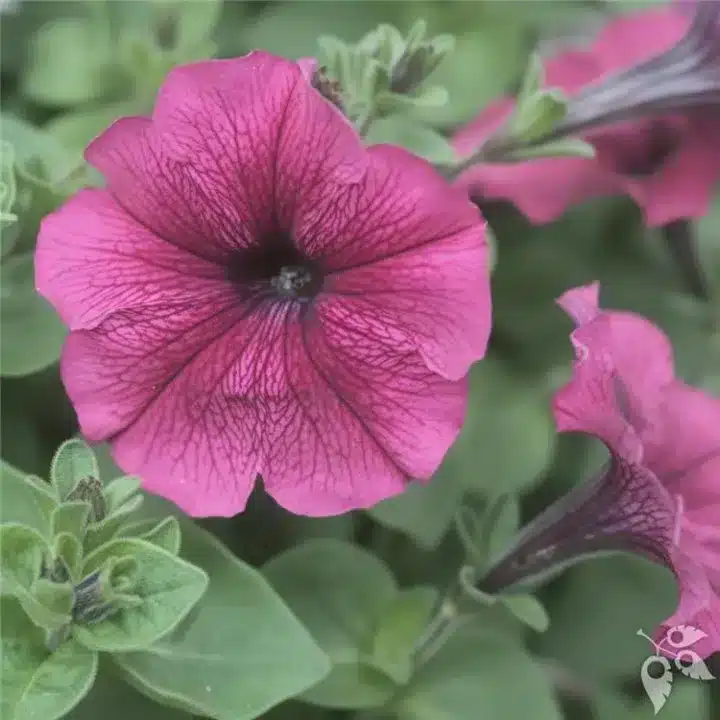
Petunia (Petunia x hybrida)
Petunia (Petunia x hybrida) Petunia (Petunia x hybrida) Petunia (Petunia x hybrida) Petunia (Petunia x hybrida)
Full Sun – 6+ hours of sunMedium WaterAttracts PollinatorsPet FriendlyDeer Resistant
Common Name: Petunia, Garden Petunia, Hybrid Petunia
Botanical Name: Petunia x hybrida
Category: Annual
Lifecycle: Annual, Perennial
USDA Symbol: PEHY10
Hardiness Zones: 10A – 11B
Sun: Full Sun (6+ hours), Part Shade (2-4 hours)
Water: Medium
Soil: Loam
pH: Adaptable
Height: 6 to 12 in
Spread: 8 to 30 in
Spacing: 8 to 16 in
Growth Rate: Moderate
Bloom Time: Spring, Summer, Fall
Bloom Color(s): Orange, Pink, Purple, Red, Violet, White, Yellow, Blue, Lavender, Multi-Colored
Leaf Shape: Ovate
Leaf Arrangement: Alternate
Leaf Retention: Annual

About Petunia

Petunia (Petunia x hybrida) grows 6 to 12 inches tall and is hardy in USDA zones 10 to 11; elsewhere it is grown as an annual. It grows best in full sun to part shade with medium water.

‘Petunia x hybrida,’ most commonly known as ‘Petunia,’ is an improved hybrid that delivers a stunning splash of ever-blooming color to sunny flower beds and borders. This popular and beautiful plant features attractive, velvety foliage nearly hidden by profusely-flowering, single or double trumpet-shaped blossoms and is available in a stunning array of hues, which include magenta, violet, pale pink, purple, red, burgundy, white, yellow, orange, and blue. ‘Petunias’ may grow to a mounded form of six to twelve inches in height and make reliable annual bedding plants in areas below USDA hardiness zones 10-11. In climates with mild winters, petunias can be grown outdoors all year round, but in cooler zones, they bloom from spring until the first frost of winter. These beautiful flowering plants are ideal selections for planting along pathways or in woodland gardens. They also make wonderful houseplants and look lovely in decorative patio containers. ‘Hybrid Petunias’ consist of three different groups which include the ‘Cascading Hybrids’, which are wonderful for hanging baskets or ground covers, the ‘Grandiflora Hybrids’, that present large, spectacular four-inch flowers, and the ‘Multiflora Hybrids,’ which produce smaller two-inch flowers but bloom more profusely than the ‘Grandiflora’ group. Native to South America, the first garden petunias were grown in Argentina by a French botanist named Petun during the 1800’s and were named “Petunias” in his honor. The modern hybrids grown today are much-improved versions of those grown in South America in the past. The term “hybrida” refers to the cross-breeding of multiple petunia species, which has resulted in more spectacular and robust versions of the plant.

When to Plant Petunias

Plant petunias outdoors after the last spring frost, once nights stay above 50°F. Start seeds indoors 10 to 12 weeks before your last frost date.

How to Plant Petunias

‘Petunias’ thrive in full sun, preferring six or more hours of direct sunlight daily but will tolerate some shade. They should be planted into loamy, fertile soil, which has been amended with organic matter, such as compost. Potted bedding plants are easily found in most reputable nurseries in spring and summer for transplanting. Plants should be spaced at least eight inches apart to prevent over-crowding. ‘Petunias’ can be propagated from seeds from January through March, which should be grown in a greenhouse or indoors and require a period of 72-75 days to germinate.

Petunia Care

‘Petunias’ should watered deeply once a week, but may require more frequent irrigation in the heat of summer. The surrounding soil must be allowed to dry between each watering, and excellent soil drainage is essential. The addition of mulch is beneficial to help retain moisture and prevent weeds.

Fertilizing Petunias

‘Petunias’ benefit from the application of a slow-release, balanced 10-10-10 fertilizer in the spring, according to the directions on the product label.

Pruning Petunias

‘Petunias’ do not require pruning. However, if they become leggy in the heat of mid-summer, they can be cut back hard for renewed bloom and energy in autumn. Regular pinching helps the plant keep an attractive, mounded form.

Petunia Pests and Diseases

‘Petunias’ can be affected by aphids, which may be treated with a spray of insecticidal soap, if necessary. Slugs and snails can be trapped and removed or treated with diatomaceous earth. All insecticides must be used according to the directions on the product label. Root Rot or gray mold are likely to affect the plant if over-watered. Adequate sunlight and excellent soil drainage are essential.

Are Petunias Toxic to Cats and Dogs?

No. PlantTAGG rates petunias as pet-friendly, and the ASPCA lists them as non-toxic to dogs, cats and horses. If you think a pet has eaten a toxic plant, call your veterinarian or the ASPCA Animal Poison Control Center at (888) 426-4435.

Petunia FAQs

Do petunias need to be deadheaded?

Older varieties bloom longer if you pinch off spent flowers. Many newer spreading types, such as Wave and Supertunia, are self-cleaning and need little deadheading.

Why are my petunias getting leggy?

By midsummer petunias often stretch and flower only at the tips. Cut them back by about half and feed them, and they will regrow fuller within a few weeks.

How often should I water petunias?

Water when the top inch of soil is dry. Petunias in hanging baskets and containers may need water every day in hot weather.

Search thousands of plants for your zone with PlantTAGG Plant Search

Grow a healthier Petunia

The free PlantTAGG app gives you care reminders matched to your location and weather, plant ID and photo diagnosis, and answers to your gardening questions from Ask Emily.

Download PlantTAGG on the App StoreGet PlantTAGG on Google Play
Close the Mobile Menu