


How to Grow and Care for Roses
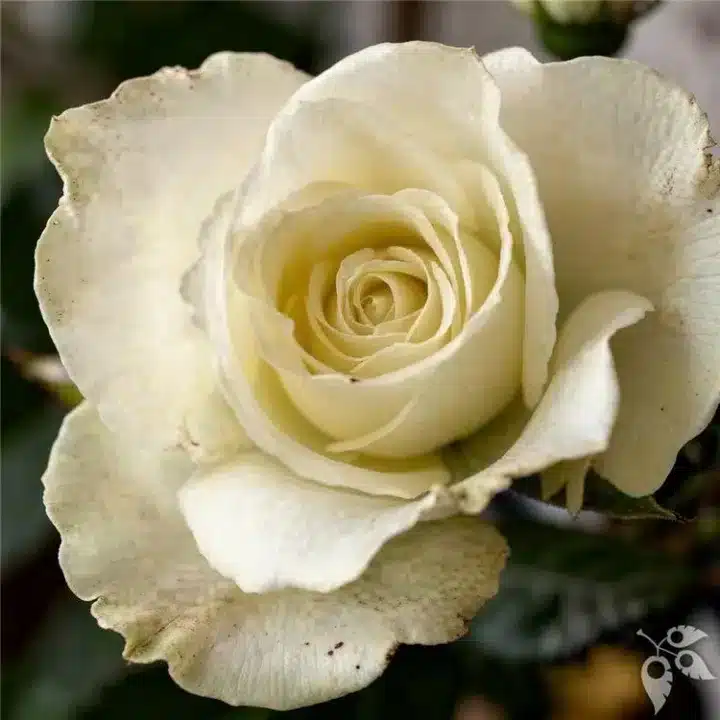


About Rose
Rose (Rosa spp.) grows 1 to 10 feet tall and is hardy in USDA zones 4 to 11. It grows best in full sun to part sun with medium water.
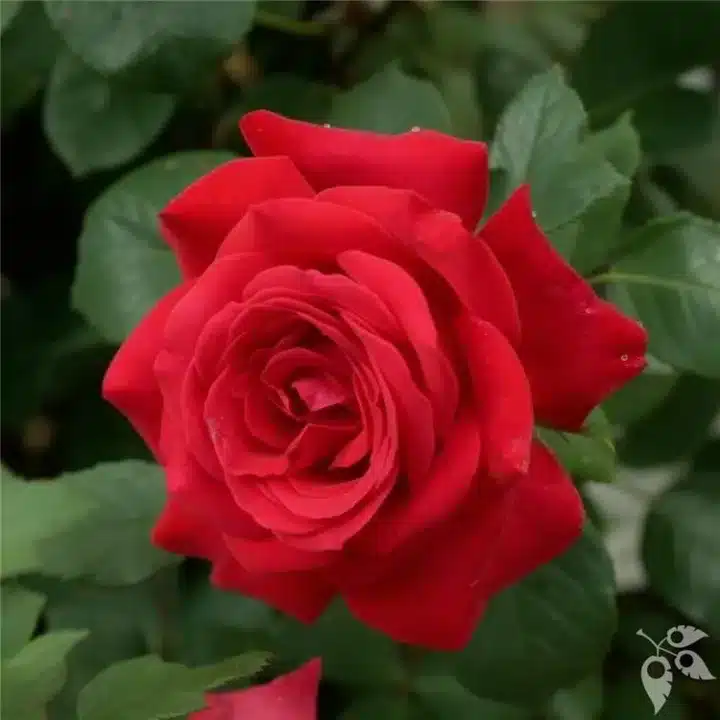
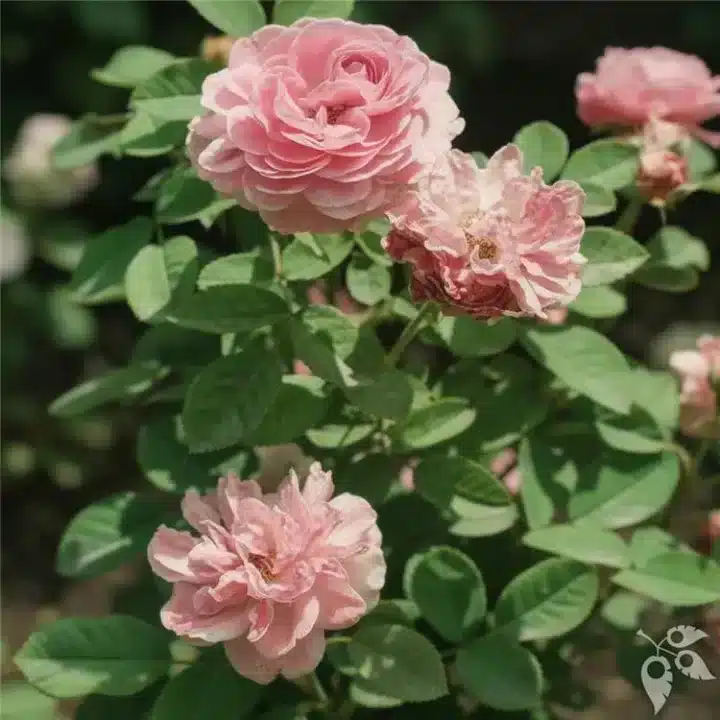
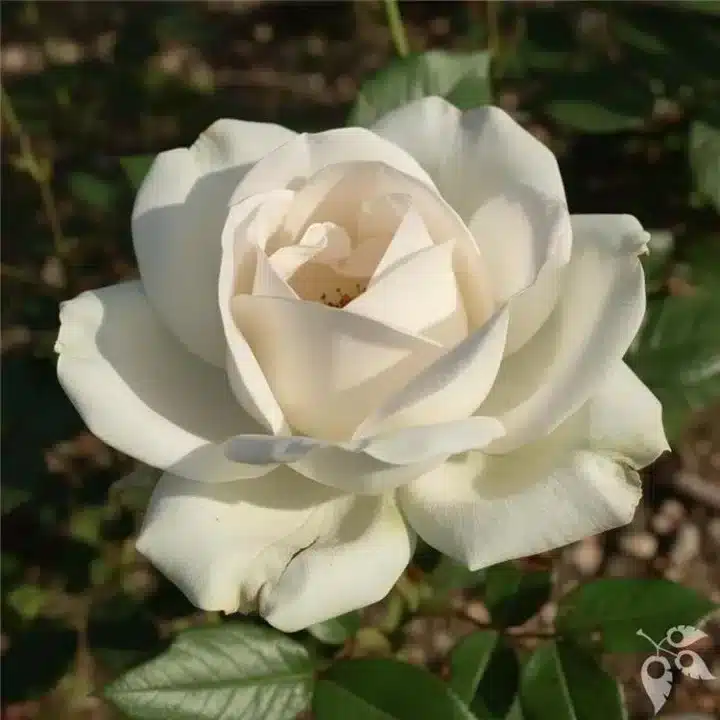
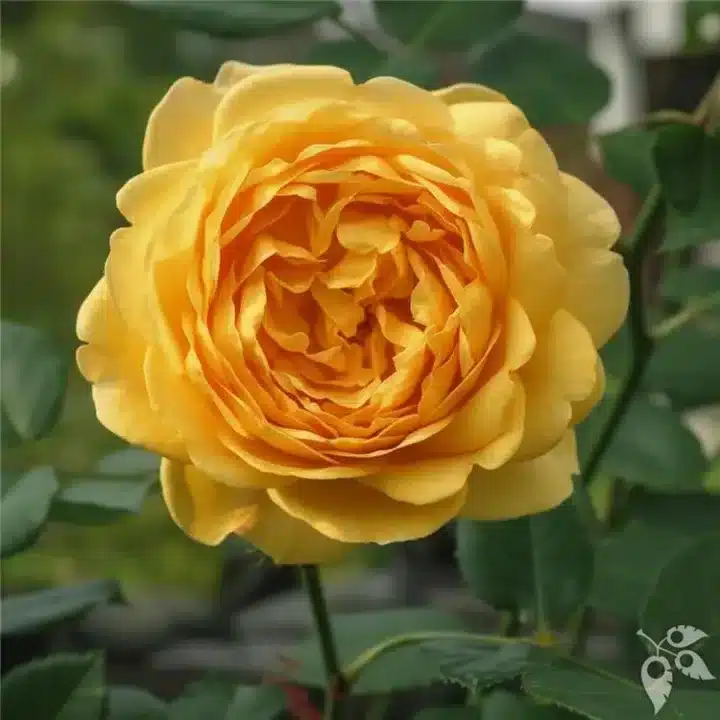
<p>Roses are attractive flowering bushes or shrubs that are native to China and are now widely distributed. Roses are both heat and frost-tolerant. The USDA plant hardiness zone (5-11) allows roses to be grown in a wide variety of climates. Roses have been the subject of poems and have long been associated with romance. Roses are often the central focus in the garden. The general growth pattern of rose varieties varies widely from 15 inches (dwarf), 3′ to 6′ (shrub) 8-10′ tall, and wide (hedge) to 25 feet tall (climbers). Hybrid tea roses are grown for individual bloom production while floribunda roses have a more typical “bush” growth habit. Roses are grown for the flowers that have been extensively hybridized thereby offering a wide range of colors that include white, pink, yellow, red, and a “rainbow” of alternative colors. The flowers are (often) fragrant, showy with 4-5 petals, 7-20 petals, or more than 20 petals. Green leaves are deciduous, ovate with serrate margins. The stems are green or brown lined with prickles which are often misnamed as “thorns”. Because of the wide variety of roses available to the home gardener careful consideration is necessary before making a selection. Recommendations for roses that are well adapted for selected regions of the country are available. “Earth-Kind” Roses are rose cultivars tested by the Texas AgriLife Extension Service through the Earth-Kind landscaping program. Earth-Kind Roses have been proven to require less maintenance while producing excellent flower displays consistent with Earth-Kind Landscaping. Unfortunately, in recent years many roses have become affected by Rose Rosette Disease.</p>
When to Plant Roses
Plant bare-root roses in early spring while they are still dormant. Container roses can be planted from spring through early fall, at least six weeks before your first frost.
How to Plant Roses
Roses require at least eight hours of direct sunlight each day. Roses should be planted so that when fully grown at least one foot of open space surrounds each plant to allow air movement. The soil bed should be prepared with added sand, loam soil, and expanded shale. The plants should be placed 3-6 inches above the grade of the garden bed to promote drainage, especially in clay soil. The root zone of rose shrubs should be protected year-round by a 3-inch organic mulch such as shredded cedar. Roses may be grown in large containers if consistent appropriate moisture is maintained. The container should be dripline irrigated to avoid excess water on the leaves of the rose plant. Because of the wide variety of growth habits, each rose plant must be considered carefully before being added to the garden. Miniature roses may be planted in a mixed flower bed as a border. Hybrid-Tea roses will require support. Florabunda and large bush roses require space specific to the individual rose variety. Climbing roses require support on an open fence or trellis that allows full exposure to 8 hours of sunlight. Roses should be planted into soil that has not had roses with the condition sometimes called “Witch’s Broom” better known as rose rosette disease. If roses are desired in the landscape of a garden that has had an attack of “Witch’s Broom” the newly introduced rose bushes should be planted in large containers which have been cleaned using bleach and filled with fresh potting soil.
Rose Care
Many rose types require a greater degree of attention than most planted or potted plants. Earth-Kind rose selections are generally easier to manage and are recommended if a landscape is intended to promote and attract bees, butterflies, and birds. The newly planted rose bush must be maintained with consistently moist but not wet soil. Dripline irrigation is recommended to avoid leaf damage by salt on the leaves in areas that have a high saline level in the water supply. The removal of spent flowers promotes new flower production in bush roses and “repeat blooming” climbing roses. Hybrid tea roses require secure staking. Large bush roses such as ‘Lady Banks’ will require periodic trimming to maintain access to walkways.
Fertilizing Roses
Standard roses require systematic fertilization that promotes both new growths of (stems) canes, roots, and leaves and blooms. A balanced 10-10-10 slow-release fertilizer is recommended applied directly to the bed in the spring and through the growing season. If foliar fertilization is performed it should be performed in the early morning to avoid possible leaf damage from the sun and to avoid leaf disease. Earth-Kind Roses selected and maintained with consistent composing in the Earth-Kind program need minimal or no supplemental fertilization.
Pruning Roses
Bush roses are pruned initially once a year in early spring (example: February 14). Each cane is reduced by 1/3 to 1/2. During the growing season, roses are pruned to develop a strong cane structure and to promote new bloom growth. Pruning guidelines include the use of clean, sharp tools. Begin the pruning at the bottom of the bush and work upward. Prune dead wood back to living plant tissue with an anvil pruner or lopper cut at a 45-degree angle, about 1/4-inch above the first 5-leaf junction to promote buds that face away from the center of the bush. All dried, diseased, or broken branches should be removed routinely throughout the growing season. Because of the potential for injury leather “rose” gloves that protect the forearm is recommended. Because a repeated clipping action is needed to maintain roses during the growing season, the rose shears should be sharpened and oiled routinely. The rose cuttings should be carefully discarded. Climbing roses are associated with the potential risk of a fall if the roses are grown on a trellis or arbor.
Rose Pests and Diseases
Roses are susceptible to two longstanding pests, black spot fungal leaf disease, and trips. Roses that are planted in full sun and watered in the early AM are less likely to contract fungal “black spot”. The treatment for “black spot” is systemic foliar sprays containing a fungicide. Treatment for trips requires a systemic insecticide applied every 7-10 days while the roses are producing blooms. A landscape devoted to roses is NOT compatible with a “butterfly garden”. With care, a section of a landscape can be devoted to roses. Roses may also be grown in large containers which makes pests and diseases more easily managed. More recently beginning in the 1940’s Rose rosette disease has become a severe threat to growing roses wherever the disease has been spread by an eriophyid mite (Phyllocoptes fructiphilus). Rose rosette disease has been called “Witches Broom” due to the distortion and abnormal growth pattern of the leaves and branches of rose plant tissues affected by the disease. The disease is caused by an RNA virus spread by an air-born mite. There is no cure for plants that display the characteristic distortion of leaves and branches. Affected plants must be removed and discarded and destroyed. Roses cannot be introduced to the soil associated with a prior outbreak of rose rosette disease. At the time of this entry, there is no treatment or cure for rose rosette disease.


Are Roses Toxic to Cats and Dogs?
PlantTAGG does not rate roses as pet-friendly. The ASPCA lists roses as non-toxic, but their thorns can injure a pet’s mouth, paws and eyes. If you think a pet has eaten a toxic plant, call your veterinarian or the ASPCA Animal Poison Control Center at (888) 426-4435.
Rose FAQs
How often should I water roses?
Give roses about 1 inch of water a week, applied deeply at the base. Water more often in hot, dry weather and in sandy soil.
When should I prune roses?
Prune most roses in late winter or early spring, as the buds begin to swell. Remove dead, damaged and crossing canes and cut just above an outward-facing bud.
How do I prevent black spot on roses?
Plant in full sun with good air circulation, water at the soil line in the morning and remove infected leaves promptly. Choose disease-resistant varieties for the easiest care.
Search thousands of plants for your zone with PlantTAGG Plant Search
The free PlantTAGG app gives you care reminders matched to your location and weather, plant ID and photo diagnosis, and answers to your gardening questions from Ask Emily.