


How to Grow and Care for Orchids


About Orchid
Orchid (Phalaenopsis spp.) grows 18 to 24 inches tall and is hardy in USDA zones 10 to 12. It grows best in bright, indirect light with medium water.
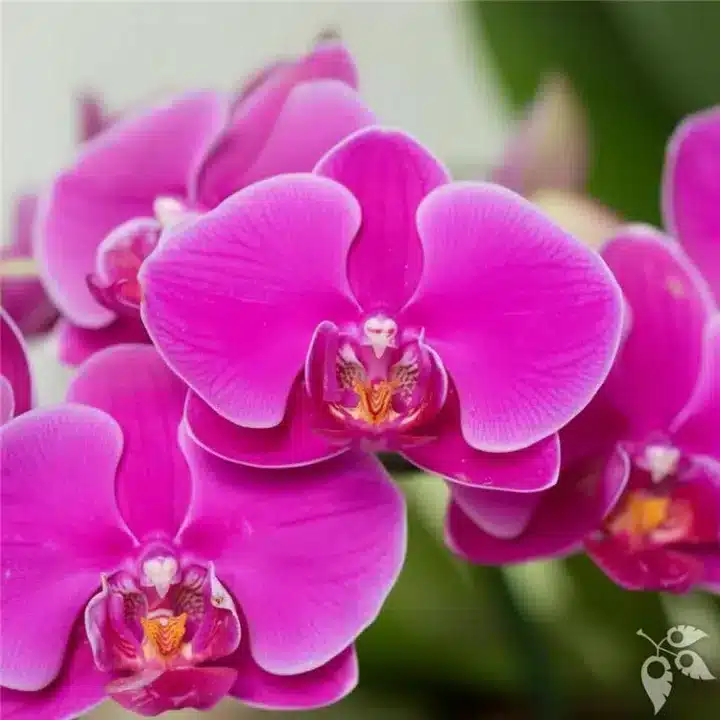
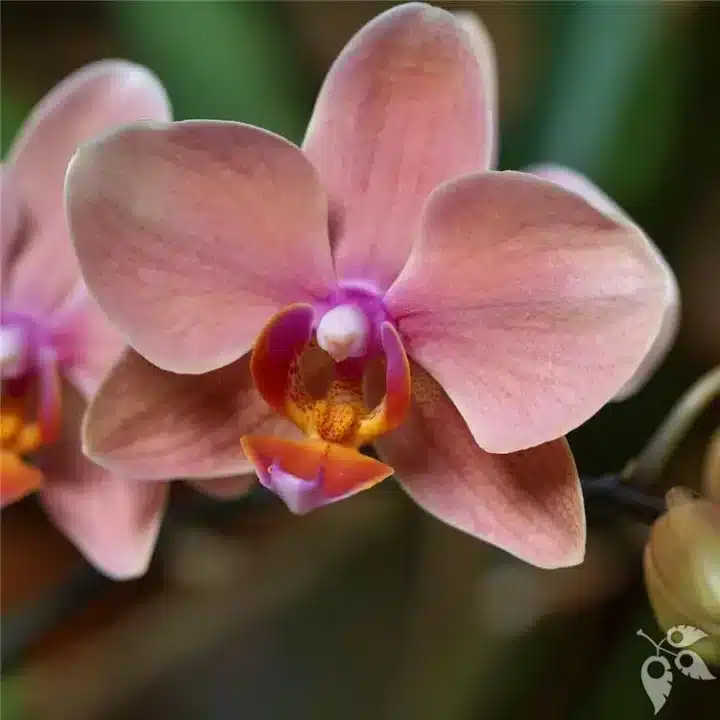
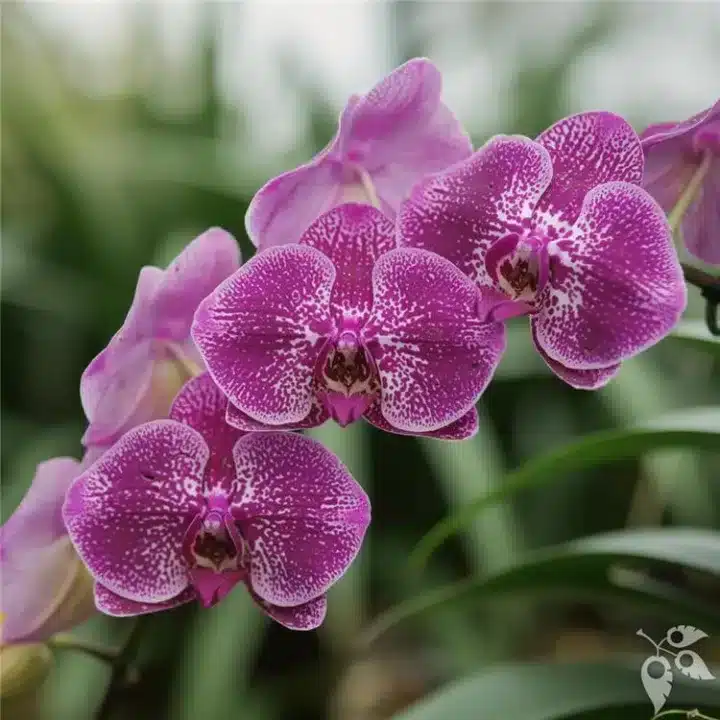
Moth Orchid is a tropical perennial grown as a flowering houseplant or greenhouse specimen. Its thick, leathery green leaves form a basal cluster, while aerial roots often extend beyond the container. Arching flower stems carry sprays of moth-shaped blooms with a distinctive central lip. Flowers come in many colors, including white, pink, yellow, cream, peach and purple-red, with spotted or patterned forms also available. Blooming often occurs indoors in winter, although timing varies among species and hybrids, and the flowers can last for months. Moth Orchid serves as a container specimen for indoor floral displays. Its species originate in tropical and subtropical Asia and northeastern Australia.
When to Plant Orchids
Moth orchids are houseplants and can be brought home any time of year. Repot them every one to two years in spring, after flowering, using fresh orchid bark.
How to Plant Orchids
Place Moth Orchid indoors in bright, indirect light, such as near an east-facing window. Use a pot with drainage holes and a commercial bark-based orchid mix that lets air reach the roots. Gently spread the roots in the pot and work the mix around them, keeping the crown, where the leaves join, above the mix. Water thoroughly at planting to settle the bark around the roots, then let excess water drain completely. Keep water from collecting between the leaves at the crown.
Orchid Care
Keep Moth Orchid in bright, indirect indoor light, protected from harsh direct sun. Water when the potting mix has dried somewhat, thoroughly wetting the mix with lukewarm water and letting excess water drain completely. Empty saucers or decorative outer pots so roots do not stand in water. A loose, bark-based orchid mix with excellent drainage is suitable. Feed actively growing or flowering plants with an orchid fertilizer every third or fourth watering, following label directions. Suspend feeding during cooler conditions with reduced indoor light. After flowering, remove flower stalks once they are fully brown and dry, cutting near the base. Leave healthy roots that extend outside the pot intact. Check regularly for scale insects and mealybugs.
Fertilizing Orchids
Moth Orchid benefits from regular, light fertilization during active growth and flowering. Apply an orchid fertilizer every third or fourth watering, following label directions for the amount. Avoid overfeeding, which can encourage lush leaves at the expense of flowers. Skip fertilization during cooler, lower-light winter conditions.
Pruning Orchids
Pruning Moth Orchid is usually limited to cleanup, because green flower stalks may produce more buds after the flowers fade. Leave these stalks intact; once they turn brown and die, cut them near the base where they meet the leaves, using a sharp, sterile blade. Remove old, yellowed leaves at the base, but leave healthy roots intact, including those growing outside the container.
Orchid Pests and Diseases
Inspect Moth Orchid regularly for mealybugs, which form white cottony clusters in leaf crevices and on flower spikes, and scale insects, which appear as attached oval bumps on leaves and flower stems. Remove small infestations gently by hand or with a soft toothbrush, and recheck hidden areas for surviving pests. If pests persist, use insecticidal soap or horticultural oil labeled for orchids and the target pest, following all label directions exactly, including application timing, rate, protective measures, pollinator precautions and repeat treatments. Bacterial brown spot can begin as water-soaked leaf spots that enlarge, darken and become sunken; promptly isolate affected plants, avoid splashing water between plants and disinfect tools before removing diseased tissue. Botrytis petal blight causes small brown or black flower spots that can enlarge, sometimes developing gray mold under damp conditions. Remove affected flowers promptly, keep flowers and foliage dry, clear away fallen plant debris and improve air circulation to reduce disease spread.

Are Orchids Toxic to Cats and Dogs?
No. The ASPCA lists moth orchids (Phalaenopsis) as non-toxic to dogs, cats and horses. If you think a pet has eaten a toxic plant, call your veterinarian or the ASPCA Animal Poison Control Center at (888) 426-4435.
Orchid FAQs
How often should I water an orchid?
Water a moth orchid about once a week, when the potting bark is nearly dry. Run water through the pot and let it drain completely; never let the roots sit in water.
How do I get my orchid to bloom again?
After flowering, keep the plant in bright, indirect light and give it a few weeks of nights about 10 to 15°F cooler than days. That temperature drop triggers a new flower spike.
Should I cut the orchid stem after the flowers fall?
If the stem stays green, cut it just above a node to encourage a side branch of flowers. If it turns brown, cut it off at the base.
Search thousands of plants for your zone with PlantTAGG Plant Search
The free PlantTAGG app gives you care reminders matched to your location and weather, plant ID and photo diagnosis, and answers to your gardening questions from Ask Emily.