Get care reminders for Milkweed tailored to your yard with the free PlantTAGG appDownload PlantTAGG on the App StoreGet PlantTAGG on Google Play

How to Grow and Care for Milkweed

Milkweed (Asclepias syriaca)
Milkweed (Asclepias syriaca) Milkweed (Asclepias syriaca) Milkweed (Asclepias syriaca)
Full Sun – 6+ hours of sunLow WaterAttracts PollinatorsNorth American NativeDeer Resistant
Common Name: Common Milkweed, Silkweed, Virginia Silk
Botanical Name: Asclepias syriaca
Category: Perennial
Lifecycle: Perennial, Annual
USDA Symbol: ASSY
Hardiness Zones: 4A – 9B
Sun: Full Sun (6+ hours), Part Sun (4-6 hours)
Water: Low
Soil: Adaptable
pH: Slightly Alkaline (7.4-7.8)
Height: 3 to 5 ft
Spread: 12 to 18 in
Spacing: 18 to 24 in
Growth Rate: Slow
Bloom Time: Summer
Bloom Color(s): Green, Pink, Purple, White
Leaf Shape: Obovate
Leaf Arrangement: Opposite
Leaf Retention: Evergreen

About Milkweed

Milkweed (Asclepias syriaca) grows 3 to 5 feet tall and is hardy in USDA zones 4 to 9. It grows best in full sun to part sun with low water.

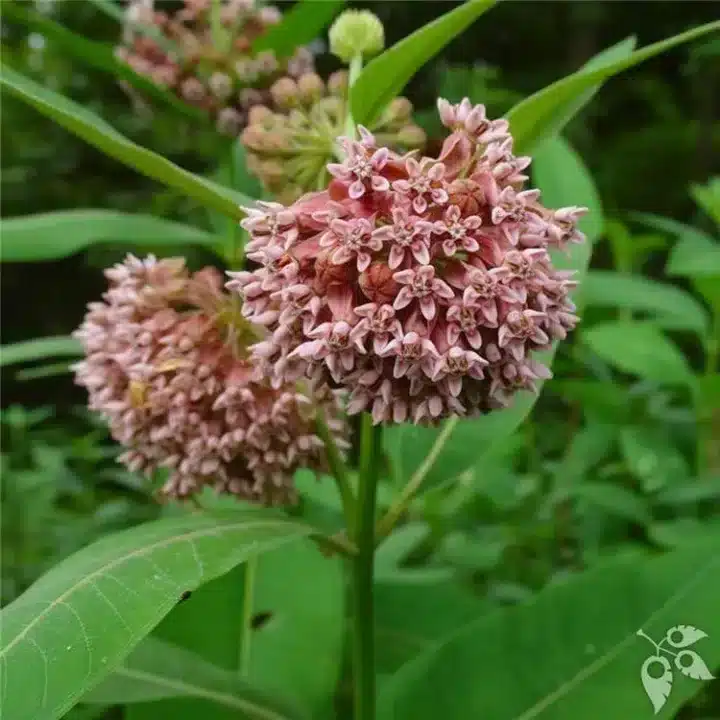
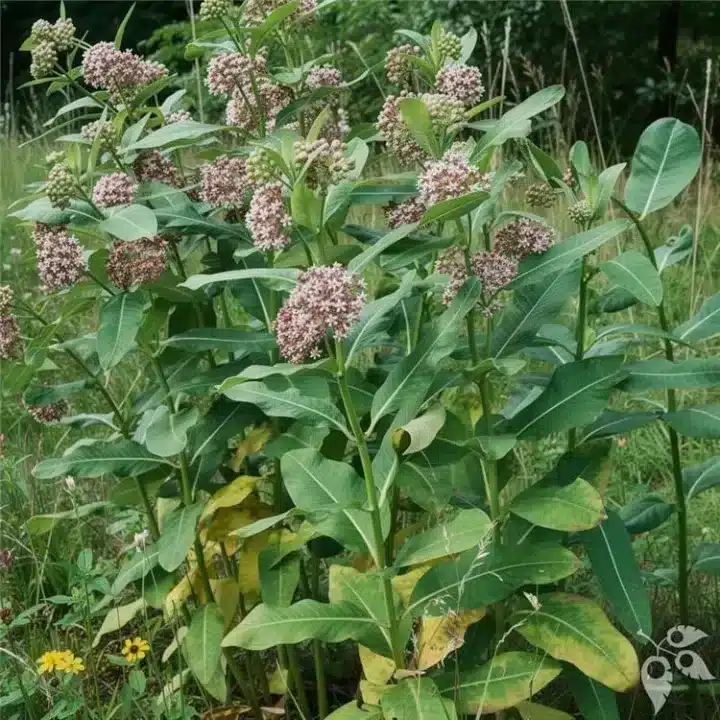
Although less-than-ideal for mixed borders or formal gardens, ‘Common Milkweed’ is a highly-beneficial plant to grow for its ability to attract pollinators, especially butterflies. Monarch butterflies rely on this plant as a vital food source at each stage of their development. Since ‘Common Milkweed’ tends to spread aggressively, it is best-suited for sunny naturalized areas or butterfly gardens. Spheres of scented blossoms in shades of green, pink, white, or purple emerge from the plant throughout the summer, followed by capsules containing interesting, silvery seeds. Historically, the silken floss from the seed was removed by Native Americans and used to spin thread, and due to their buoyant qualities, the seed fibers were stuffed into life vests for rescue missions during World War II. The seed floss continues to be harvested in present times for use as a downy filling for pillows and other bedding. Although ‘Common Milkweed’ is poisonous to humans and pets, the plant contains a molecule which is of value in the medical field for the treatment of heart disease. ‘Common Milkweed’ will grow to a height of 3-5 feet and a width of 8 inches, although the plant tends to spread aggressively. Hardy throughout USDA zones 4-9, ‘Common Milkweed’ is native to eastern North America.

When to Plant Milkweed

Sow milkweed seed outdoors in fall so it gets the winter chill it needs, or plant nursery plants in spring after the last frost.

How to Plant Milkweed

‘Common Milkweed’ demands a minimum of 6 hours of direct sunlight daily. This plant will tolerate a variety of soil types but requires excellent drainage. Due to its ability to spread from seeds and rhizomes, ‘Common Milkweed’ can be difficult to control. Seed pods burst open in early fall and may be planted about an inch deep into moist soil. The plant may be propagated, as well, by digging and removing a section of root to transplant.

Milkweed Care

‘Common Milkweed’ flourishes in a variety of soil types but will not tolerate shade. This plant requires a minimum of 6 hours of direct sunlight daily, and will quickly expand to fill in any garden space. ‘Common Milkweed’ is highly-adaptable to arid conditions, requiring water only during extremely dry periods, which makes it especially helpful in the fight to prevent soil erosion.

Fertilizing Milkweed

‘Common Milkweed’ does not require fertilizer. The application of chemicals in fertilizers can potentially harm butterflies.

Pruning Milkweed

‘Common Milkweed’ stalks should be pruned several inches from the ground in late fall in order to encourage monarch butterflies to migrate and to help eradicate any harmful parasites that may linger on the plant.

Milkweed Pests and Diseases

‘Common Milkweed’ is not affected by any serious pests or diseases.

Is Milkweed Toxic to Cats and Dogs?

Yes. The ASPCA lists milkweed as toxic to dogs, cats and horses. It contains cardiac glycosides that can cause serious illness. If you think a pet has eaten a toxic plant, call your veterinarian or the ASPCA Animal Poison Control Center at (888) 426-4435.

Milkweed FAQs

Why is milkweed important for monarch butterflies?

Milkweed is the only food monarch caterpillars eat, so planting it directly supports the monarch population.

Does milkweed spread?

Common milkweed spreads by underground runners and can form large colonies. Butterfly weed and swamp milkweed stay in clumps.

Does milkweed seed need cold stratification?

Yes. Most milkweed seed germinates best after 30 days of cold, moist conditions, either from fall sowing or in the refrigerator.

Search thousands of plants for your zone with PlantTAGG Plant Search

Grow a healthier Milkweed

The free PlantTAGG app gives you care reminders matched to your location and weather, plant ID and photo diagnosis, and answers to your gardening questions from Ask Emily.

Download PlantTAGG on the App StoreGet PlantTAGG on Google Play
Close the Mobile Menu