About Begonia
Begonia (Begonia semperflorens) grows 6 to 12 inches tall and is hardy in USDA zones 10 to 11. It grows best in part shade to bright shade with medium water.
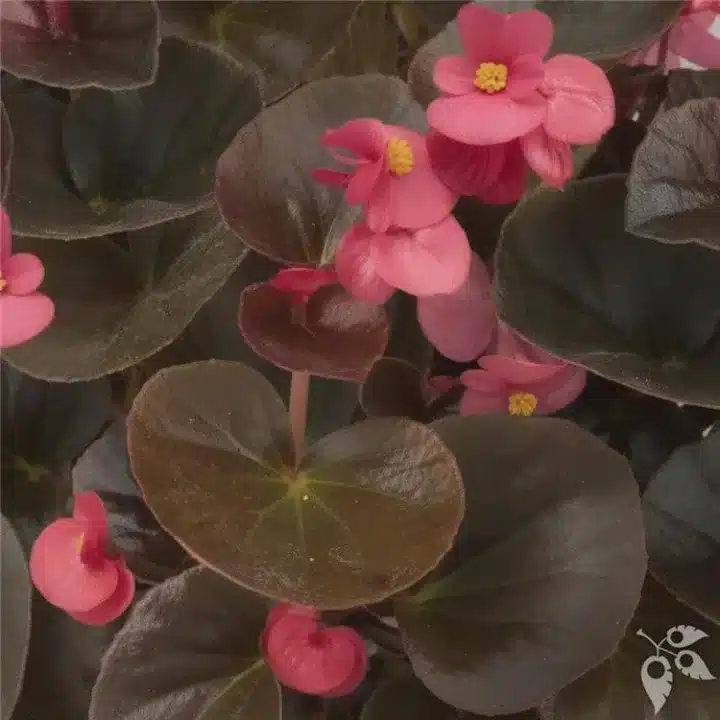
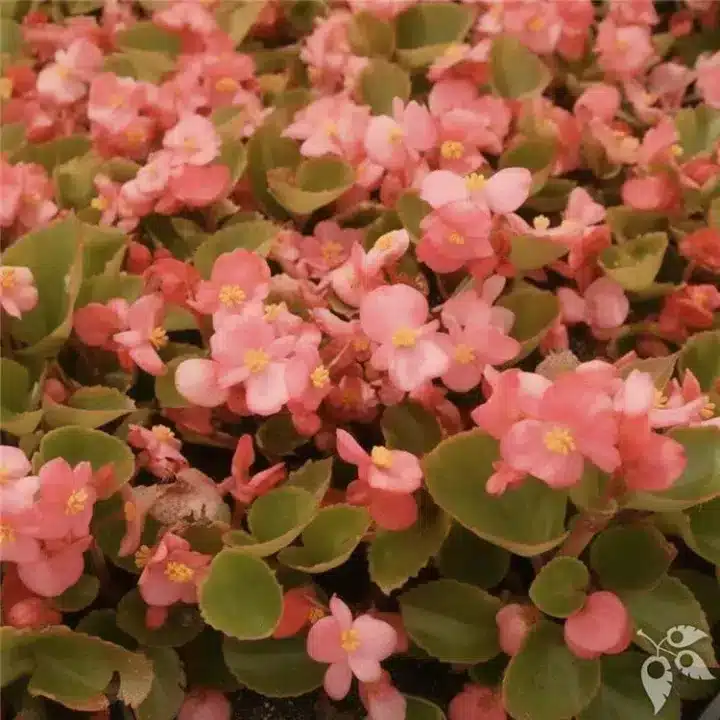
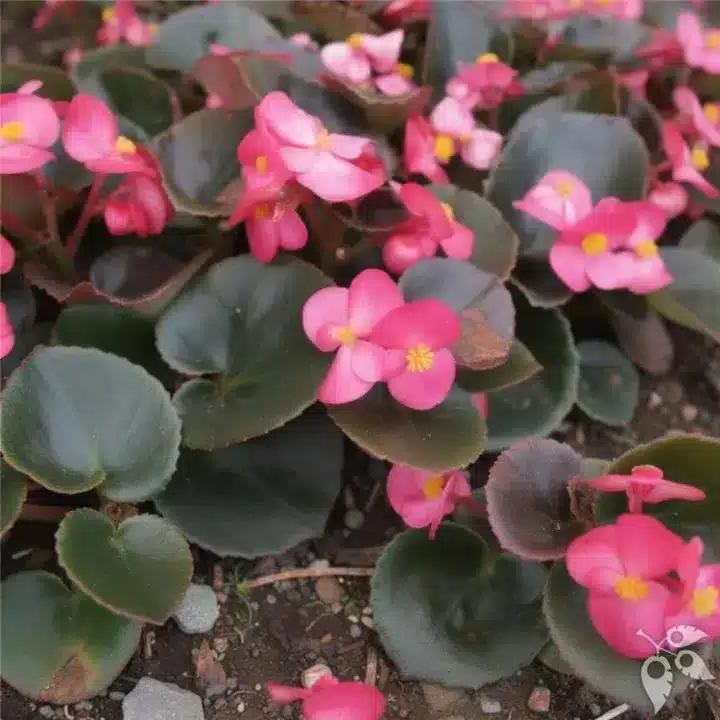
‘Begonia semperflorens’ most commonly-known as ‘Wax Begonia,’ delivers a stunning splash of ever-blooming color to partially-shaded flower beds and borders. This popular and beautiful plant features attractive succulent foliage nearly hidden by profusely-flowering, single or double-blossoms, which are available in hues of pure white, salmon, rose pink, or brilliant red. ‘Begonias’ may grow to a mounded form of six to twelve inches in height and are used as reliable annual bedding plants in areas below USDA hardiness zones 10-11. In climates with mild winters, ‘Begonias’ can grow outdoors all year round, but in cooler zones, they will bloom from spring until the first frost of winter. These beautiful plants are ideal selections for planting along pathways or in woodland gardens. They also make wonderful houseplants, and look lovely in hanging baskets or decorative patio containers. The succulent leaves and flowers of this plant are edible raw or cooked, and can be used to add a tart, lemony flavor to beverages, such as a gin and tonic or lemonade. Begonias have been used in Chinese herbal medicine since the fourteenth century, but the first person to officially discover the plant was Charles Plumier, who found it growing in South America in 1690. Plumier named the plant ‘Begonia,’ in honor of Michael Begon, the governor of Santo Domingo, who supported and funded his journey. The Latin term, “semperflorens,” means “always flowering.” Begonia flowers have different meanings worldwide, but in general, the blossoms symbolize love and affection.
When to Plant Begonias
Plant wax begonias outdoors after the last frost, once nights stay above 50°F. They can also be grown as houseplants year-round.
How to Plant Begonias
‘Wax Begonias’ performs best in temperatures ranging between sixty and seventy degrees Fahrenheit. This plant needs partial shade in the heat of summer, preferring two to four hours of direct sunlight daily. Sandy, hummus-rich, well-drained soil is best, and excellent drainage is essential. Potted plants are widely available from most local nurseries to transplant into the garden. Plants should be spaced at least six inches apart to prevent over-crowding. ‘Wax Begonias’ are easily-propagated in spring from stem cuttings, which can be rooted in water or moist growing medium. Although more time-consuming, the plants can be grown in early spring from seed, scattered thinly into moist, well-prepared soil.
Begonia Care
‘Wax Begonias’ should be deeply watered only when the surrounding soil surface has been allowed to dry. The addition of mulch is beneficial to help retain moisture and prevent weeds.
Fertilizing Begonias
‘Wax Begonias’ benefit from the monthly application of a balanced 8-8-8 or 10-10-10 blend of water soluble fertilizer during the growing period, from spring until fall. A fertilizer with too much nitrogen can result in lush foliage, but few blooms. It is important to carefully read and follow the directions on the product label before the use of any fertilizer.
Pruning Begonias
‘Wax Begonias’ benefit from pinching back rapid growth to encourage the consistent formation of blooms. Tips should be pinched back when stems are about three inches tall to encourage lateral branching. Spent flowers and old stems should be removed regularly. It is important to keep the surrounding area free of fallen debris to discourage pests or fungal diseases.
Begonia Pests and Diseases
‘Wax Begonias’ can be affected by root nematodes, in which case infected plants must be removed, and the soil sterilized before replanting. Regular pruning and sharp soil drainage helps prevent most pests from attacking. If aphids or thrips arrive, a spray of insecticidal soap or neem oil can be used, making sure to carefully follow the directions on the product label.
Are Begonias Toxic to Cats and Dogs?
Yes. The ASPCA lists begonias as toxic to dogs, cats and horses. The underground tubers are the most toxic part. If you think a pet has eaten a toxic plant, call your veterinarian or the ASPCA Animal Poison Control Center at (888) 426-4435.
Begonia FAQs
Do begonias need sun or shade?
Wax begonias grow in sun or shade, but most begonias prefer bright shade or morning sun with afternoon shade.
How often should I water begonias?
Water when the top inch of soil is dry. Begonias rot in soggy soil, so make sure pots drain well.
Can I keep begonias over winter?
Yes. Bring wax begonias indoors before frost and grow them in a bright window as houseplants.
Search thousands of plants for your zone with PlantTAGG Plant Search