Get care reminders for Honeysuckle tailored to your yard with the free PlantTAGG appDownload PlantTAGG on the App StoreGet PlantTAGG on Google Play

How to Grow and Care for Honeysuckle

Honeysuckle (Lonicera sempervirens)
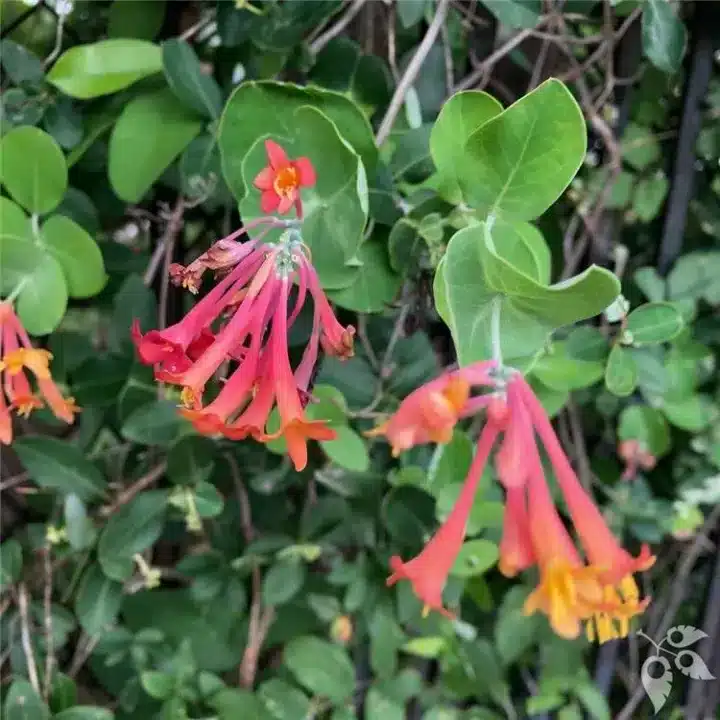
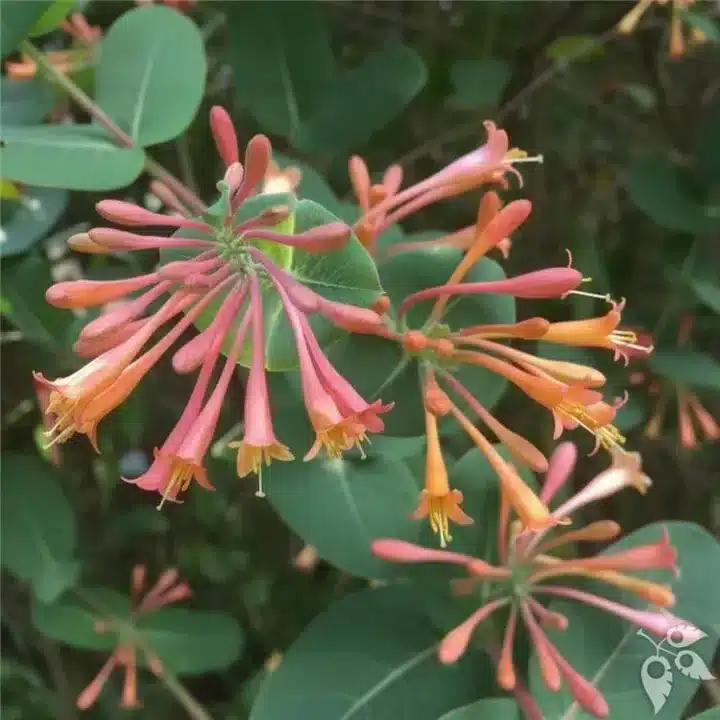
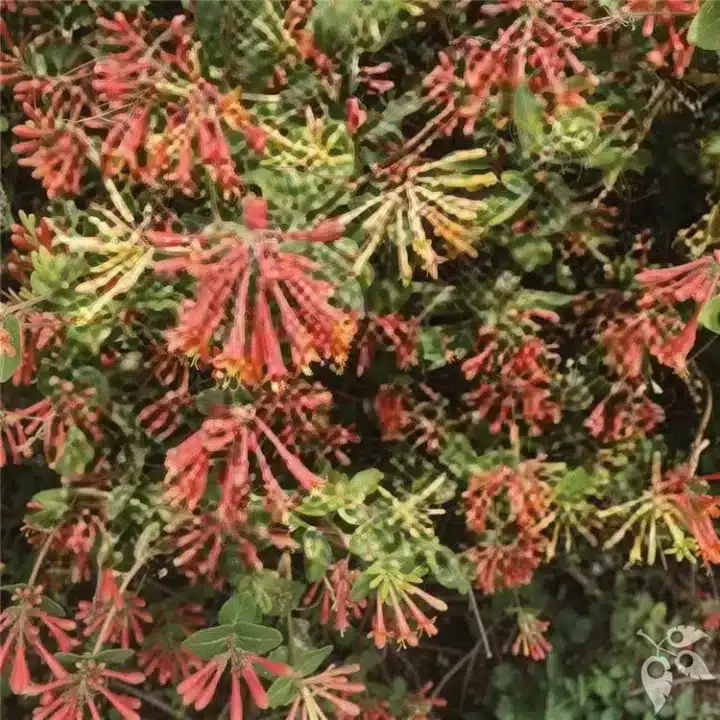
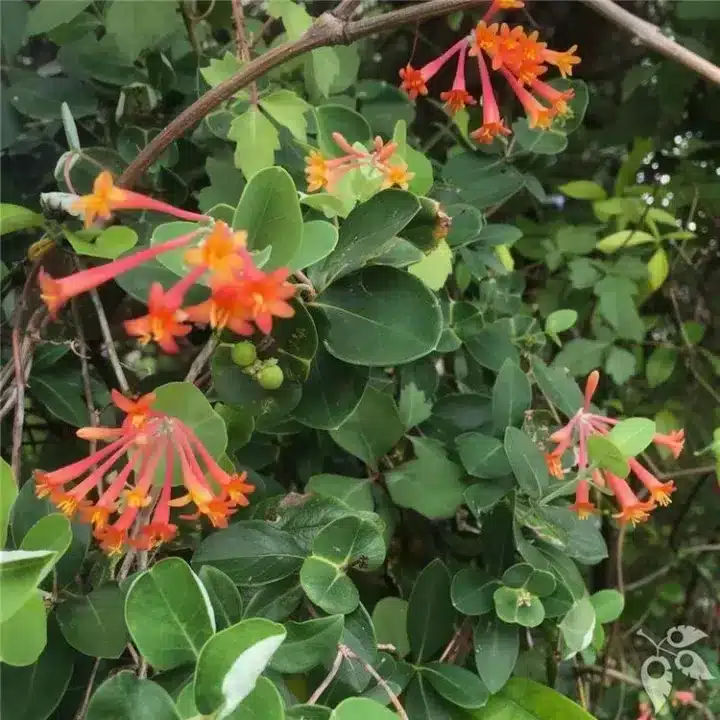
Honeysuckle (Lonicera sempervirens) Honeysuckle (Lonicera sempervirens) Honeysuckle (Lonicera sempervirens) Honeysuckle (Lonicera sempervirens) Honeysuckle (Lonicera sempervirens)
Full Sun – 6+ hours of sunMedium WaterAttracts PollinatorsNorth American NativeDeer Resistant
Common Name: Coral Honeysuckle, Trumpet Honeysuckle, Woodbine
Botanical Name: Lonicera sempervirens
Category: Vine
Lifecycle: Perennial, Annual
USDA Symbol: LOSE
Hardiness Zones: 4A – 9B
Sun: Full Sun (6+ hours), Part Shade (2-4 hours)
Water: Medium
Soil: Sandy Loam
pH: Neutral (6.6-7.3)
Height: 8 to 15 ft
Spread: 5 to 7 ft
Spacing: 3 to 6 ft
Growth Rate: Rapid
Bloom Time: Late Spring/Early Summer
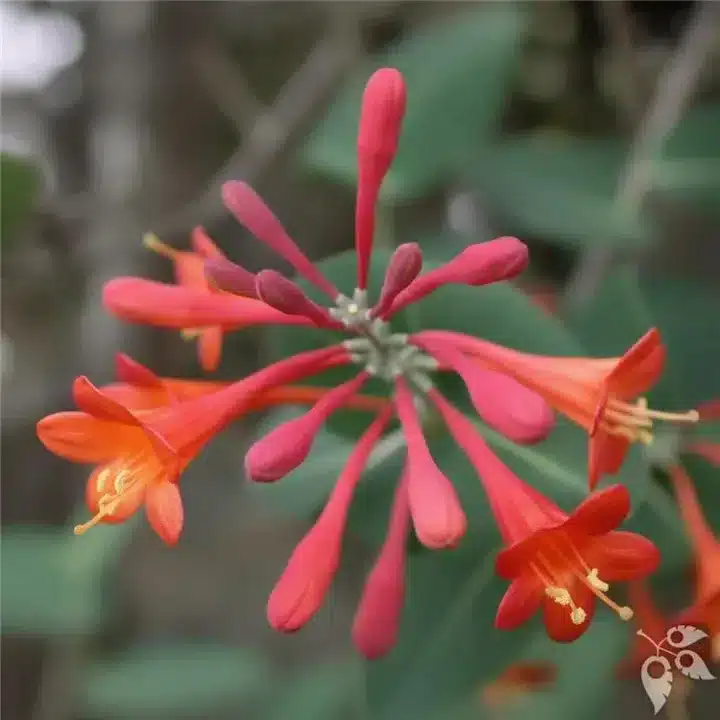
Bloom Color(s): Orange, Red, Yellow
Leaf Shape: Obovate
Leaf Arrangement: Opposite
Leaf Retention: Semi-Evergreen

About Honeysuckle

Honeysuckle (Lonicera sempervirens) grows 8 to 15 feet tall and is hardy in USDA zones 4 to 9. It grows best in full sun to part shade with medium water.

Coral Honeysuckle is a perennial low-maintenance, flowering vine commonly used for trellises, fences, arbors, or groundcover in zones 4-9. This vine has reddish-orange flowers which bloom May through June, and pretty red berries, which appear in the fall. Coral Honeysuckle prefers full sun and is evergreen above zone 8. It is native to the Southeastern United States, and unlike other Honeysuckle varieties, is not invasive. Also, unlike other Honeysuckle varieties, its leaves and flowers can be toxic and should not be eaten.

When to Plant Honeysuckle

Plant coral honeysuckle in spring or fall next to a trellis, fence or arbor it can climb.

How to Plant Honeysuckle

Because the Coral Honeysuckle vine can reach a height of 15 feet and grow to a width of 6 feet, it should have a trellis or other supporting structure and plenty of space. This plant prefers moist, well-drained soil and flowers best in full sun. One of the easiest ways to propagate the Coral Honeysuckle is by layering. To layer, anchor a stem on the ground and bury it in soil, anchoring it with a rock or other weight to keep it in place. Cut the layered branch away from the main plant when roots appear and transplant it. The vine can also be propagated by taking a a 6-inch cutting at an angle 1/4 of an inch below a pair of leaves. Dip the cut end into rooting hormone powder and place in moist planting medium after removing all but the topmost leaves. Cover with plastic to keep in moisture and place it in a bright area out of direct sunlight until roots form. Seeds can also be planted but must be refrigerated about 12 weeks before planting. Another way to propagate Coral Honeysuckle is to root it in a glass of water and placing it in a sunny window until it forms roots.

Honeysuckle Care

Coral Honeysuckle is a relatively low-maintenance plant. It should be planted in moist, well-drained soil and likes compost. Mulch is beneficial for keeping out weeds and preventing the roots from drying out too quickly. The plant should be given support to grow on and performs best in full sun.

Fertilizing Honeysuckle

Coral Honeysuckle does not normally need to be fertilized, but a low-nitrogen fertilizer (15-25-10) can be applied in early spring. This plant loves coffee grounds!

Pruning Honeysuckle

Coral Honeysuckle can be pruned once a year in late winter to allow all parts of the vine to receive light and air, but it can be cut back any time of the year if necessary. The vine should also be pruned after flowering to allow it to grow faster and re-bloom.

Honeysuckle Pests and Diseases

No serious pests or diseases affect the Coral Honeysuckle vine. In excessive summer humidity, powdery mildew or leaf spots may appear, which can be treated by removing affected areas and spraying with a fungicide according to label directions. Aphids may also attack. These can be sprayed away by a strong blast of water, or if necessary, insecticidal soap may be applied according to the directions on the label.

Is Honeysuckle Toxic to Cats and Dogs?

PlantTAGG does not rate coral honeysuckle as pet-friendly. It is not on the ASPCA’s toxic plant list, but its berries can cause stomach upset, so keep pets from eating them. If you think a pet has eaten a toxic plant, call your veterinarian or the ASPCA Animal Poison Control Center at (888) 426-4435.

Honeysuckle FAQs

Is honeysuckle invasive?

Japanese and Amur honeysuckle are invasive in much of North America. Coral honeysuckle (Lonicera sempervirens), profiled here, is native and non-invasive.

Does honeysuckle attract hummingbirds?

Yes. Coral honeysuckle’s tubular red flowers are a top nectar source for hummingbirds.

When should I prune honeysuckle?

Prune lightly after the main spring bloom to shape the vine and remove dead stems.

Search thousands of plants for your zone with PlantTAGG Plant Search

Grow a healthier Honeysuckle

The free PlantTAGG app gives you care reminders matched to your location and weather, plant ID and photo diagnosis, and answers to your gardening questions from Ask Emily.

Download PlantTAGG on the App StoreGet PlantTAGG on Google Play
Close the Mobile Menu