


How to Grow and Care for Bee Balm


About Bee Balm
Bee Balm (Monarda didyma) grows 2 to 4 feet tall and is hardy in USDA zones 4 to 9. It grows best in full sun to part sun with medium water.
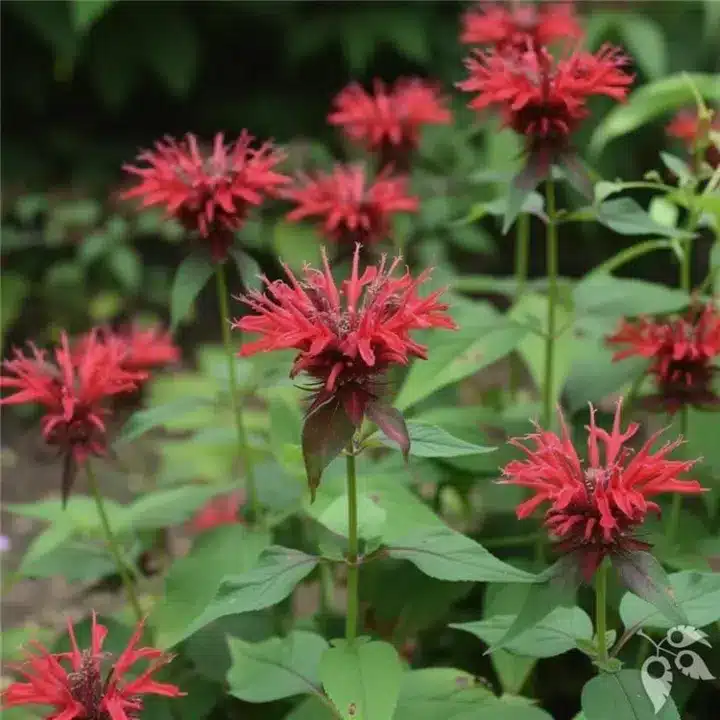
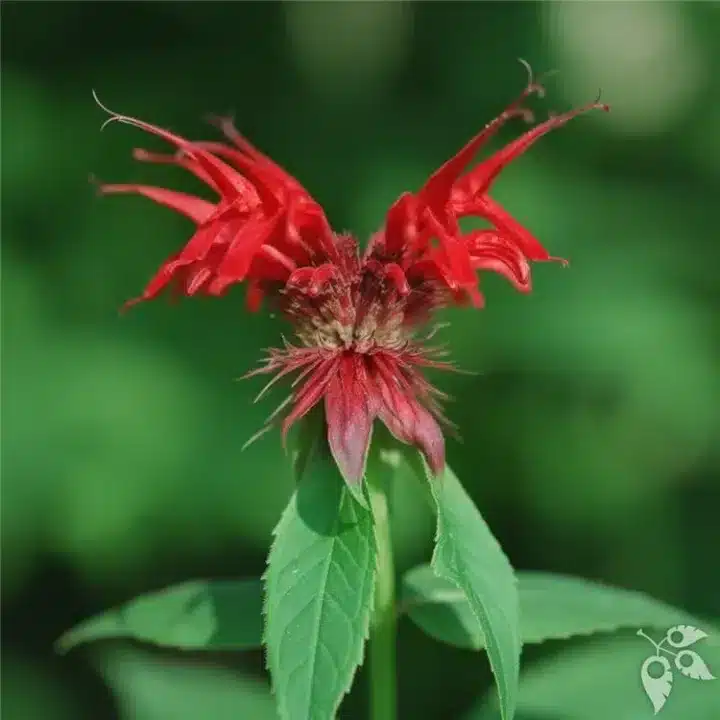
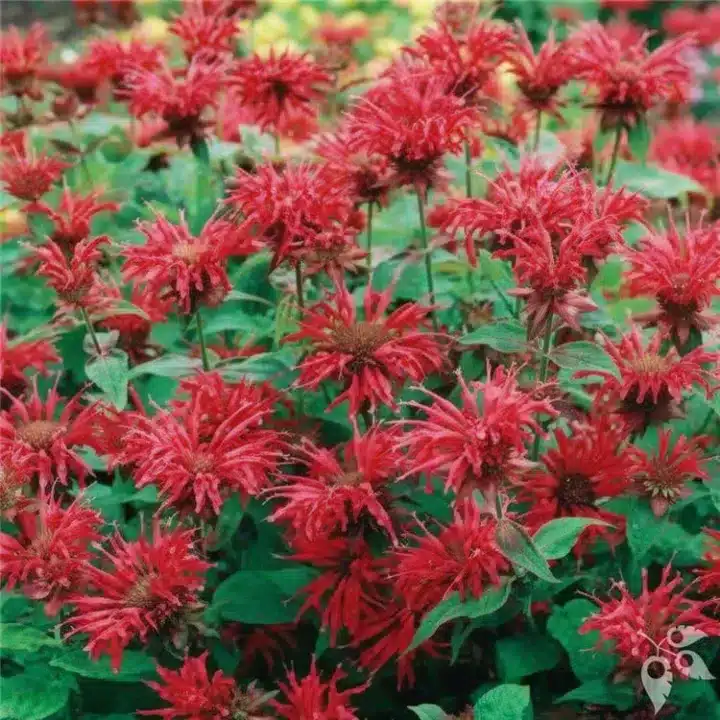
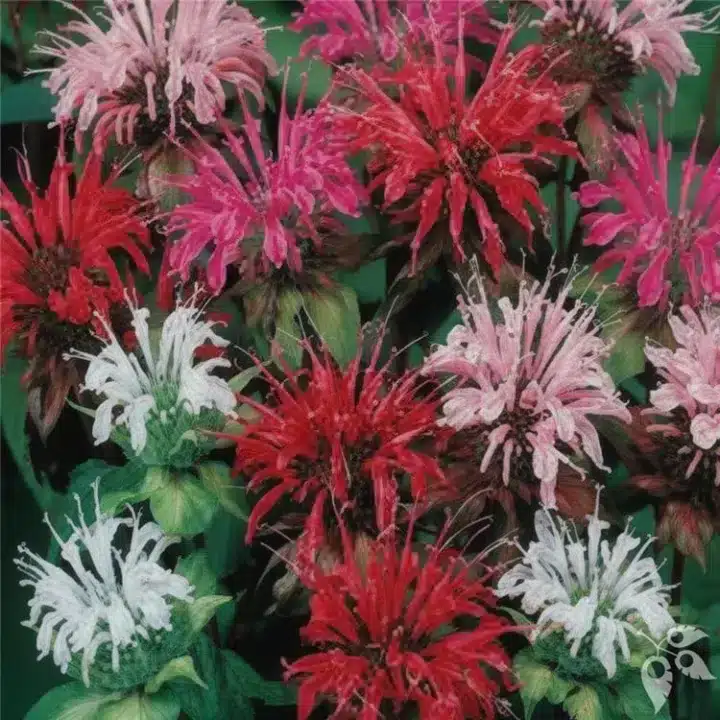
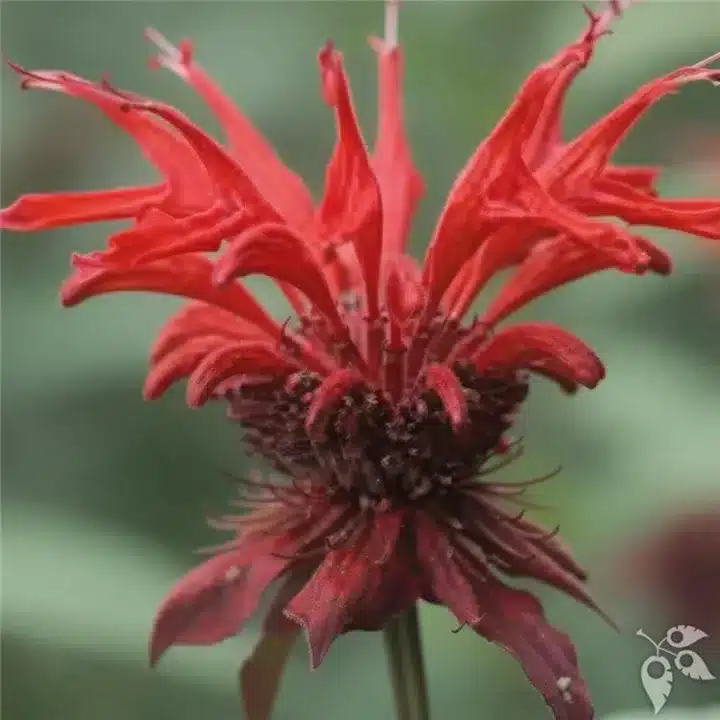
Bee Balm, scientifically known as Monarda didyma, is a perennial herbaceous plant cherished for its vibrant and aromatic blooms, making it a favored choice for home gardeners aiming to create a lively and wildlife-friendly garden. The plant showcases a spectacular range of bloom colors, from striking fiery reds to softer hues of pink and deep purple, often coupled with unique tubular flowers that resemble little fireworks, blooming primarily through summer and into early fall. Known for its ability to attract pollinators such as bees, butterflies, and hummingbirds, Bee Balm transforms any garden into a buzzing haven of activity. Its aromatic foliage, which showcases a minty appeal due to its affiliation with the mint family, also deters many deer and pests, providing a natural resistance that reduces reliance on chemical deterrents. Originating from eastern areas, this plant has cemented itself in gardens as both an ornamental and a beneficial ecological component. Bee Balm thrives in well-drained soil with consistent moisture and benefits from full sun to partial shade, portraying tolerance to various soil types as long as they maintain some fertility. Despite its robustness, it requires attention to air circulation, as densely planted areas can lead to powdery mildew—a common detractor. It’s worth noting that Bee Balm can spread vigorously through its rhizomatous roots, so occasional division might be required to keep its growth in check and prevent it from becoming invasive. Unlike some other members of the genus, Bee Balm is not considered poisonous, making it a safe and fragrant choice around children and pets. Furthermore, discerning gardeners may seek Bee Balm not only for its aesthetic beauty but also its historical significance as a source of Oswego tea, an herbal brew used by Native Americans and early colonists. Overall, Bee Balm offers both a sensory delight with its aromatic and visual appeal and functional benefits through its ecological contributions, serving as a quintessential member of any flowering garden scheme.
When to Plant Bee Balm
Plant bee balm in spring after the last frost or in early fall, spacing plants for good airflow.
How to Plant Bee Balm
To propagate Bee Balm, begin by selecting a healthy, mature plant for division in early spring or fall. Carefully dig up the plant and gently separate the roots into smaller clumps, ensuring each division has several shoots and a healthy root system. Another effective method is to take stem cuttings. In late spring or early summer, select non-flowering shoots and cut 4-6 inch sections. Remove the lower leaves, dip the cut end in rooting hormone, and plant in a well-draining potting medium. Keep the medium consistently moist and place in a warm area with indirect light until roots develop. For planting Bee Balm, choose a site with full sun to partial shade and well-drained soil rich in organic matter. Prepare the soil by loosening it and amending it as necessary to improve fertility and drainage. Dig a hole large enough to accommodate the root ball and plant Bee Balm at the same depth it was growing from its previous location or container. Space plants 18-24 inches apart to allow for adequate air circulation. After planting, water thoroughly to settle the soil around the roots and ensure good establishment.
Bee Balm Care
Bee Balm thrives in well-draining soil enriched with organic matter, preferring a slightly acidic to neutral pH. It requires full sun for optimal flowering, though it can tolerate partial shade. Regular watering is crucial, especially in dry spells, but avoid waterlogging, which can lead to root rot. Mulching helps retain soil moisture and suppress weeds. Fertilize in early spring using a balanced, slow-release fertilizer, and again in mid-summer if needed. Deadheading faded blooms encourages reblooming and prevents self-seeding. Prune back stems to ground level in late fall or early spring to promote healthy new growth. Bee Balm is susceptible to powdery mildew; ensure good air circulation by spacing plants appropriately and consider using resistant cultivars. Natural pest management includes attracting beneficial insects like ladybugs. Divide clumps every two to three years in early spring to maintain vitality and prevent overcrowding. Regular monitoring for pests such as spider mites and aphids will help manage infestations. By following these care guidelines, Bee Balm will flourish, offering vibrant blooms and attracting pollinators.
Fertilizing Bee Balm
Bee Balm generally thrives without heavy fertilization, relying on moderately fertile, well-draining soil. If you aim to boost growth, apply a balanced all-purpose fertilizer with an NPK ratio of roughly 10-10-10 in early spring as new growth begins. Avoid over-fertilization, which can lead to excessive foliage at the expense of blooms. It’s beneficial to incorporate organic matter like compost into the soil annually, enhancing soil fertility naturally. In colder climates, compost can also serve as a winter mulch, gradually enriching the soil. Soil testing can be useful to tailor fertilization further, ensuring you address any specific deficiencies without promoting nutrient excess.
Pruning Bee Balm
Prune Bee Balm in early spring before new growth appears and again after flowering to encourage reblooming. Remove dead or damaged stems at any time, cutting them at the base to maintain plant health. Pinch back stem tips in late spring to foster bushier growth and more flowers. Deadhead spent blooms during summer by trimming flower stalks to the nearest set of leaves to extend blooming. In late fall, after the first frost, cut back the entire plant to a few inches above ground level to prepare for winter dormancy and reduce disease. Avoid pruning during the peak growing season in late spring and early summer, as it may limit flowering potential. Maintain clean and sharp pruning tools to prevent disease transmission.
Bee Balm Pests and Diseases
Bee Balm is prone to several common pests and diseases. The most frequent pest is the aphid, which sucks sap from the leaves. To treat aphids, regularly spray plants with a strong water jet or apply insecticidal soap. Spider mites, identifiable by fine webbing and stippled leaves, can be controlled with neem oil or by increasing humidity. Powdery mildew is a prevalent fungal disease that presents as white, powdery spots on leaves. Ensure good air circulation and apply fungicidal sprays early in the season as preventative measures. Leaf spot diseases, caused by various fungi and bacteria, manifest as purple or brown spots. Remove and dispose of infected foliage and consider treating with a copper-based fungicide. To prevent root rot, which is encouraged by overly moist soil, provide well-draining soil and avoid overwatering. Practice crop rotation and sanitation by removing dead plant material at the end of the season to reduce disease recurrence. Regularly inspecting plants for early signs of trouble can greatly aid in maintaining healthy Bee Balm.


Is Bee Balm Toxic to Cats and Dogs?
No. The ASPCA lists bee balm (Monarda) as non-toxic to dogs, cats and horses. If you think a pet has eaten a toxic plant, call your veterinarian or the ASPCA Animal Poison Control Center at (888) 426-4435.
Bee Balm FAQs
Does bee balm spread?
Yes. Bee balm spreads by underground runners. Divide clumps every two to three years to control it and keep plants vigorous.
How do I prevent powdery mildew on bee balm?
Give plants good air circulation, water at the base and choose mildew-resistant varieties such as ‘Jacob Cline’.
What does bee balm attract?
Bee balm attracts bees, butterflies and hummingbirds, which is how it got its name.
Search thousands of plants for your zone with PlantTAGG Plant Search
The free PlantTAGG app gives you care reminders matched to your location and weather, plant ID and photo diagnosis, and answers to your gardening questions from Ask Emily.