


How to Grow and Care for Geraniums
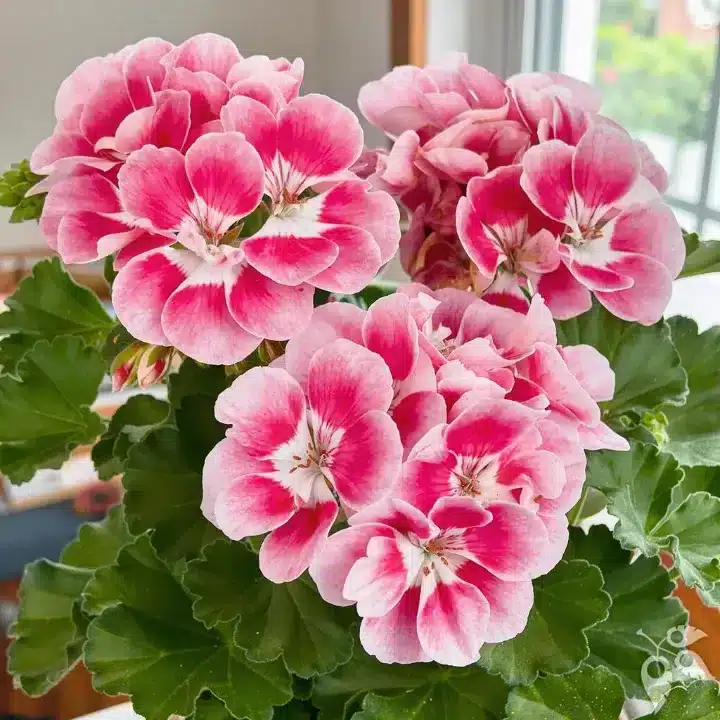


About Geranium
Geranium (Pelargonium zonale) grows 1 to 3 feet tall and is hardy in USDA zones 9 to 11. It grows best in full sun to part sun with medium water.
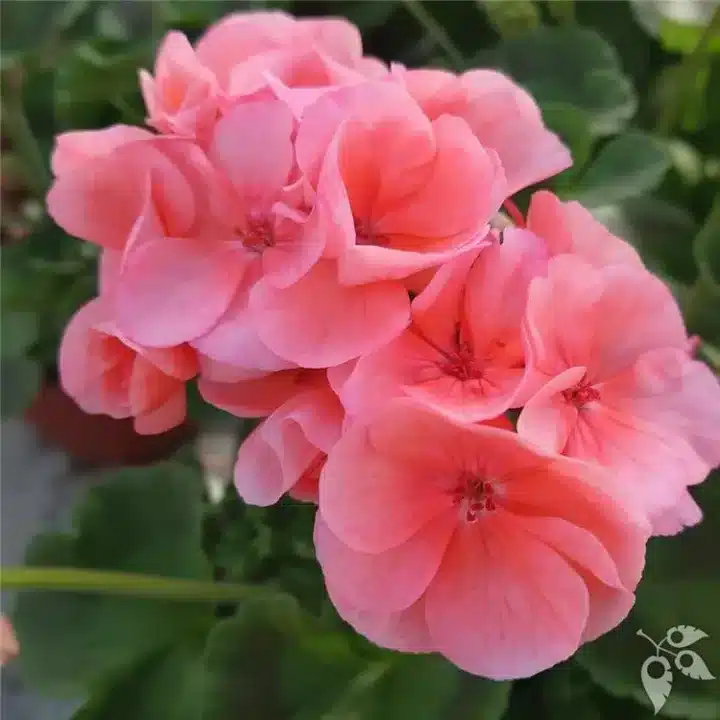
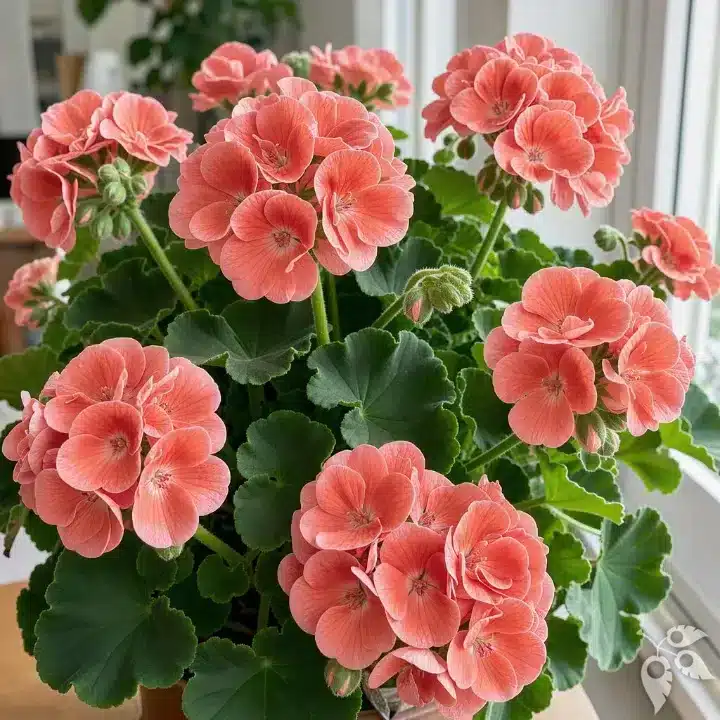
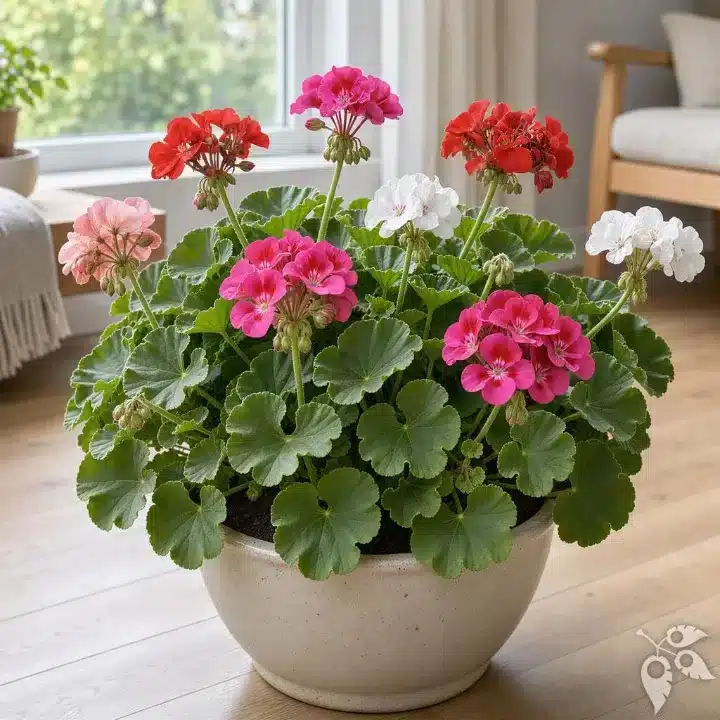
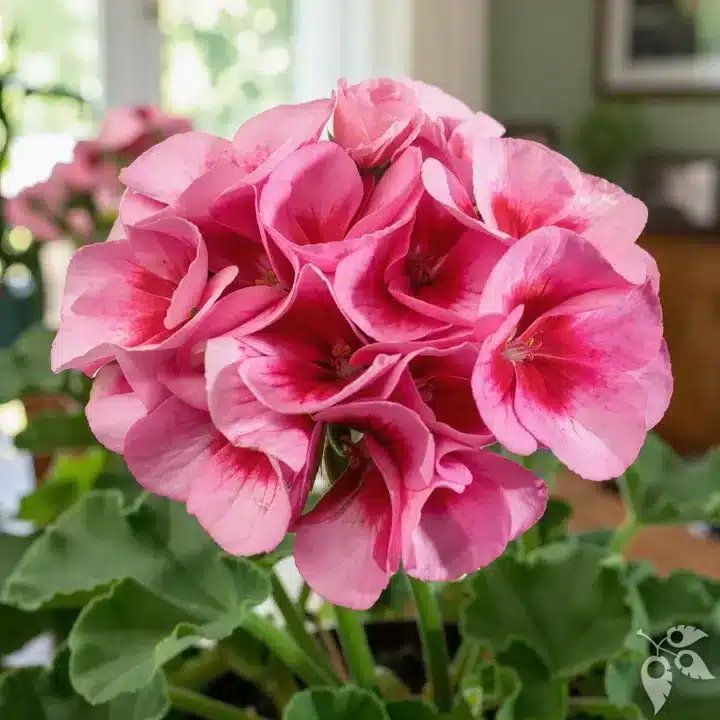
The Zonal Geranium, botanically known as Pelargonium zonale, is a versatile and beloved choice for gardeners due to its robust nature and vibrant appeal. Originating from South Africa, it has become esteemed for its wide-ranging bloom colors that include reds, pinks, oranges, whites, and even some bi-color varieties. An attractive in landscaping, Zonal Geranium brings a classic charm to garden beds, containers, and hanging baskets with its striking circular patterns on the foliage—often the source of its “zonal” name. Flowering typically occurs from late spring through the fall, although it is capable of longer blooming in warmer climates or when overwintered indoors. It is adept at attracting pollinators like bees and butterflies, adding an ecological benefit to its beauty. With a preference for well-draining soil, this geranium appreciates regular watering yet displays notable drought tolerance once established, making it suitable for low-water gardens as well. It thrives best in full sun but can tolerate partial shade, though this may affect the intensity of its blooms. Zonal Geraniums demonstrate some resistance to deer and rabbits, offering an added layer of landscape resilience. However, they may face issues with common garden pests such as aphids and whiteflies, and need airflow to prevent fungal diseases like botrytis and root rot. Despite their friendly appearance, Zonal Geraniums are mildly toxic if ingested, which could pose a risk to pets and children. A distinguishing feature from their close relatives, the ivy-leaved geraniums, is their upright habit and pronounced leaf markings, typically absent in the latter. Their non-invasive nature ensures they will not overtake garden spaces—as some overly vigorous species might—making them a priority choice for controlled and manageable floral displays. Overall, the Zonal Geranium remains a compelling option for those seeking an easy-care plant that delivers sustained visual interest across the seasons, with minimal fuss.
When to Plant Geraniums
Plant geraniums outdoors after the last spring frost. Zonal geraniums can also be kept indoors as houseplants year-round.
How to Plant Geraniums
To propagate Zonal Geraniums, begin by choosing a healthy parent plant. In early spring, take 4- to 6-inch cuttings from the tips of non-flowering shoots. Remove the lower leaves, leaving a few at the top. Dip the cut end in rooting hormone to encourage root development. Plant the cutting in a well-draining potting mix consisting of equal parts perlite and peat moss. Water lightly and place in bright, indirect light. Maintain a temperature of 70-75°F to promote rooting. After 4-6 weeks, check for root development by gently tugging on the cuttings. Transfer cuttings with well-developed roots to individual pots to grow further before planting them outdoors. When planting Zonal Geraniums, select a site with well-drained soil and full sun exposure. Prepare the soil by incorporating organic matter, such as compost, to enhance drainage and nutrition. Dig holes slightly larger than the root balls of the plants. Space the holes 12-18 inches apart to allow for adequate air circulation. Remove the Geranium from its container, gently loosening any roots that are circling the root ball. Place the plant in the hole, ensuring the top of the root ball is level with the soil surface. Backfill with soil, firming it gently around the plant. Water thoroughly to eliminate air pockets.
Geranium Care
To care for Zonal Geranium, ensure it receives full sun for vibrant blooms, and plant in well-draining soil to prevent root rot. Water thoroughly when the top inch of soil feels dry, but avoid letting the plant sit in water. Regular deadheading of spent flowers encourages continuous blooming and prevents seed formation. Fertilize every four to six weeks during the growing season with a balanced, water-soluble fertilizer. Maintain good air circulation around the plant to reduce the risk of fungal diseases, and promptly remove any damaged or yellowing leaves. In containers, ensure proper drainage and avoid overly large pots to prevent water retention. If growing indoors, place them near a bright window and rotate the plant occasionally for even growth. Prune leggy stems to maintain a compact shape and improve bushiness. Be vigilant for pests such as aphids and whiteflies, treating infestations with insecticidal soap if necessary. Overwinter by bringing plants indoors before frost, reducing watering, and withholding fertilizer until spring.
Fertilizing Geraniums
Zonal Geranium benefits from regular fertilization, thriving with a balanced water-soluble fertilizer, ideally with an NPK ratio of 10-10-10 or 20-20-20. Apply fertilizer every 4-6 weeks during the growing season, from early spring to late summer, ensuring the plant receives nutrients necessary for vibrant blooms and robust growth. In regions with shorter growing seasons, consider starting in late spring. Dilute the fertilizer to half the recommended strength to prevent root burn and apply when the soil is moist, not dry, to avoid shock. Reduce or cease fertilization in fall and winter when growth naturally slows, allowing the plant to rest. Always follow the manufacturer’s instructions and adjust based on the plant’s response, noting leaf color and bloom quality as indicators of nutrient sufficiency.
Pruning Geraniums
Pruning Zonal Geranium is best done in early spring before new growth begins, ensuring optimal flowering and health. Using clean, sharp shears, remove all dead or unhealthy stems and foliage, cutting back to healthy tissue. Trim leggy stems to promote bushier growth, snipping above a leaf node. Aim for a balanced shape, removing up to one-third of the plant’s total size. Avoid pruning in late fall or winter, as this can stress the plant during dormancy. During the growing season, maintain appearance by pinching back spent blooms and any errant growth. Discard all pruned material to prevent disease spread. Regular inspection and light pruning can keep the Zonal Geranium vibrant and healthy throughout its growing period.
Geranium Pests and Diseases
To maintain healthy Zonal Geraniums, it’s crucial to identify and address common pests and diseases. Look for signs of aphid infestations, which manifest as sticky residue or deformed leaves. Control them with insecticidal soap or a strong water spray. Spider mites, indicated by fine webbing and bronzed leaves, can be treated with miticides or neem oil. Whiteflies, which cause yellowing leaves and stunted growth, can be trapped using yellow sticky traps and managed with insecticidal soaps. Fungal diseases like botrytis blight exhibit gray mold on decaying tissue; remove affected parts and ensure proper air circulation. Rust appears as orange-brown pustules on leaves and can be controlled by application of fungicides and removing infected foliage. Bacterial leaf spot causes water-soaked spots that progress to reddish-brown lesions; manage it by avoiding overhead watering and applying copper-based bactericides. Regularly inspect plants for signs of these pests and diseases, maintain cleanliness by removing debris, and promote good air circulation to minimize problems, implementing treatments promptly at the first signs of trouble to ensure robust vegetation.


Are Geraniums Toxic to Cats and Dogs?
Yes. The ASPCA lists geraniums (Pelargonium) as toxic to dogs, cats and horses, causing vomiting, skin irritation and loss of appetite. If you think a pet has eaten a toxic plant, call your veterinarian or the ASPCA Animal Poison Control Center at (888) 426-4435.
Geranium FAQs
Do geraniums need full sun?
Zonal geraniums flower best with at least 6 hours of sun. In very hot climates, afternoon shade helps.
How do I overwinter geraniums?
Before frost, bring potted geraniums indoors to a sunny window, or take cuttings to root and grow on through winter.
Should I deadhead geraniums?
Yes. Snap off spent flower stems at the base to keep geraniums blooming all season.
Search thousands of plants for your zone with PlantTAGG Plant Search
The free PlantTAGG app gives you care reminders matched to your location and weather, plant ID and photo diagnosis, and answers to your gardening questions from Ask Emily.