


How to Grow and Care for Fig Trees


About Fig Tree
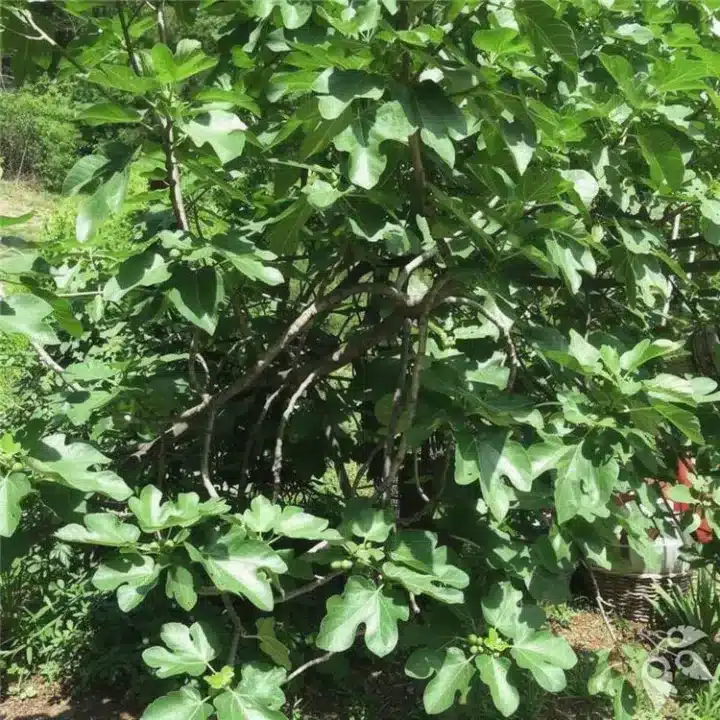
Fig Tree (Ficus carica) grows 10 to 30 feet tall and is hardy in USDA zones 6 to 11. It grows best in full sun to part sun with medium water.
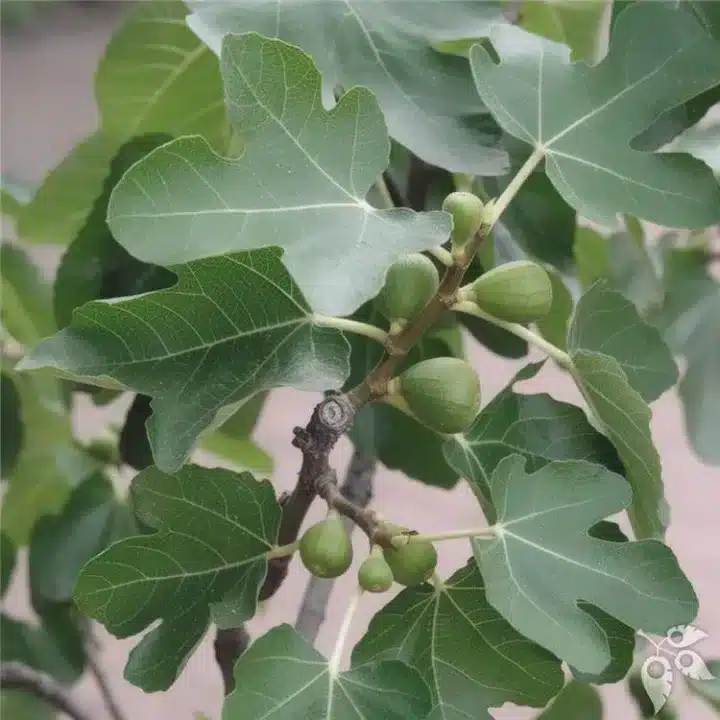
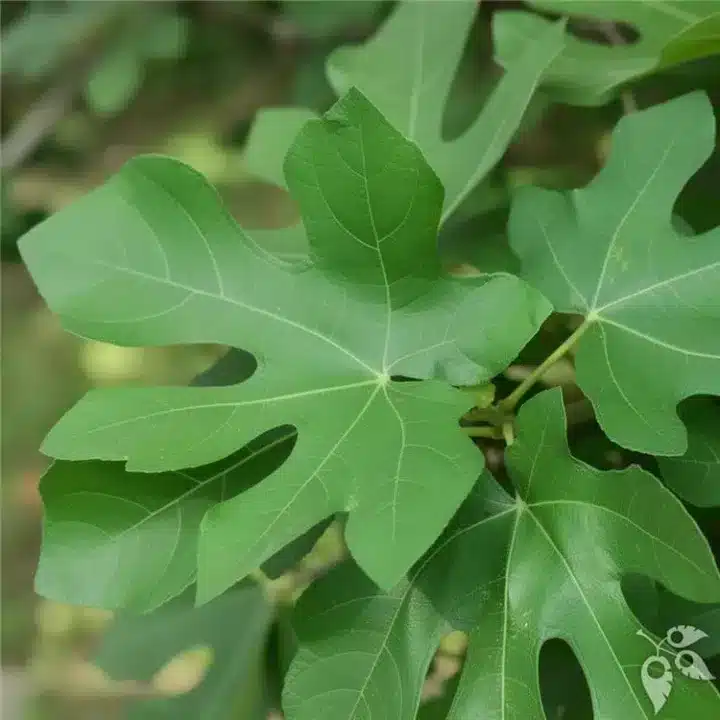
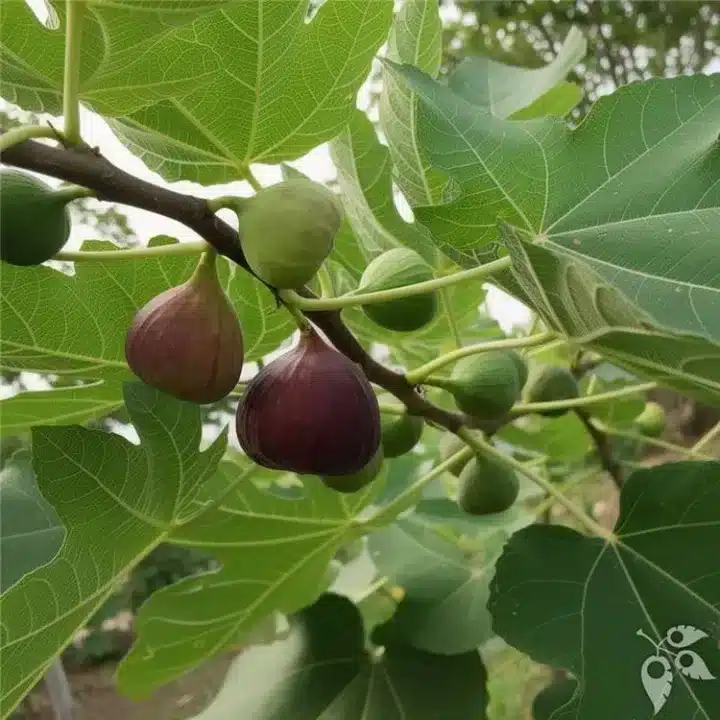
The Common Fig, scientifically known as Ficus carica, is renowned for its bountiful yields of sweet, bell-shaped fruit, a delicacy enjoyed straight from the tree or preserved for winter delights. Originally from the Middle East and southern Europe, this deciduous tree is now a familiar sight in many gardens, with uses ranging from creating an appealing natural privacy screen to being a compelling focal point due to its unique monstrous yet fascinating structure. The fruits, foliage, and even numerous gnarled limbs all contribute to the ornamental value of this prolific plant. During the growth period, the Common Fig sports delicate little flowers, typically yellow-green in color, that are hidden inside the developing figs, ensuring your attention is solely on their fruits’ mesmerizing palette ranging from green to dark purple when ripened. Ideally, figs should be harvested in late summer when softened and pendulous, signaling their delectable sweetness within. In terms of care, the Common Fig asks for little but a sunny, sheltered placement, well-drained soil, and regular watering. However, it expresses its disapproval of prolonged periods of cold and damp conditions, possibly compromising its health and fruit production. The tree’s luscious leaves and abundant crop attract a multitude of insects and birds while concurrently showing good resistance to most pests and diseases. As moderate to high drought-tolerant, this tree can withstand periods of water scarcity; just remember that consistent hydration contributes to superior fruit production. Astoundingly, every part of this tree is non-toxic, making it safe around children and pets. Despite these enchanting features, the Common Fig does present a small challenge as it can be invasive when given ideal conditions, often spreading via root suckers; so one should manage its growth vigilantly to prevent it from usurping other plants’ spaces. Although not classified as invasive, this is a tree that gives and takes but with some watchfulness, can be a rewarding addition to your home garden.
When to Plant Fig Trees
Plant fig trees in early spring after the last frost so they establish before winter. In zones colder than 7, grow them in containers or plant them against a warm, south-facing wall.
How to Plant Fig Trees
To propagate a Common Fig, start by taking hardwood cuttings in late winter. Select branches that have matured, marked by a change in color from green to brown, and cut sections around 8 to 10 inches long. Each cutting must contain at least 2 nodes, which are the bumps where leaves, roots, or new stems grow. Now, prepare a growing medium composed of 1 part peat and 1 part sand or perlite. Moisten the mix, fill it into a pot, and make a hole for the cutting. Dip the base of your cutting in a rooting hormone to encourage root development and plant it in the prepared hole. Cover the pot with a plastic bag to ensure humidity and place it in a warm, bright location out of direct sunlight. Once cuttings have rooted, remove the plastic covering gradually to acclimate them to the lower humidity. After the danger of frost has passed, carefully transfer your new Common Fig to a sunny spot in the garden with well-drained soil. Water generously during the growing season, and less frequently in winter. To ensure optimal fruit production, fertilize your Common Fig during its growth phase based on soil requirements.
Fig Tree Care
The Common Fig is a deciduous plant requiring full sun and well-drained soil to thrive. In the spring, prune the plant to remove dead or damaged branches and encourage new growth. Water infrequently but deeply to establish a healthy root system. Feed the plant with a balanced fertilizer containing essential micronutrients to ensure vigorous growth. Make sure to keep the soil moist but not waterlogged, as overly wet conditions can lead to root rot. During the summer, maintain the watering regime, ensuring the soil is moist to the touch. Allow the figs to mature on the tree until they droop for maximum sweetness. In the autumn, reduce watering as the plant becomes dormant. Prune again in late autumn to maintain a healthy structure, removing any suckers from the base. Over the winter, protect the plant from sharp frosts by wrapping the base with a layer of straw or mulch, removed once the threat of frost has passed. Consider repotting or applying fresh compost every two to three years. If pests appear, such as aphids or spider mites, use an insecticidal soap to deal with the problem. Above all, remember that the Common Fig is a hardy plant that rewards proper care with a bountiful harvest.
Fertilizing Fig Trees
For optimal growth of the Common Fig, fertilization can be beneficial, especially for container-grown specimens. Utilize a balanced, slow-release fertilizer with an NPK ratio around 8-8-8 or 10-10-10. Apply in early spring as new growth begins, and again in mid-summer. For fig trees grown in the ground, fertilization is often unnecessary unless the tree shows signs of nutrient deficiency, such as yellowing leaves or poor fruit production. In such cases, a half-dose of the same balanced fertilizer can be applied. Always water thoroughly before and after fertilization to prevent root burn. Avoid fertilizing after late summer to prevent new growth that might not harden off before winter. Adjust based on soil nutrient levels and plant performance for best results, keeping in mind that excess fertilization can lead to overly vigorous growth at the expense of fruiting.
Pruning Fig Trees
Pruning the Common Fig focuses on shaping the plant and promoting fruiting. It’s best to do the first, more extensive prune late in winter or early in spring when the plant is still dormant and before new growth begins. Remove dead or diseased branches, cutting back to healthy wood. Use sharp, sanitized pruning tools to make clean cuts. Give attention to any branches that are competing with the central leader or that obstruct pedestrian traffic or views. Subsequent summer pruning should be lighter, removing only new growth at the top of the plant to ensure sunlight reaches the lower branches. However, avoid pruning the Common Fig during the fall, as this can lead to weak growth that may not have enough time to harden off before winter. Always be careful not to cut into the previous year’s growth, as that could reduce the plant’s fruit output.
Fig Tree Pests and Diseases
To identify the principal pests of the Common Fig, look for Fig Beetles, Nematodes, and Fig Weevils. Fig Beetles have shiny green bodies and often bore into the fruit, promoting spoilage, treat them with pyrethrin-based or organic neem oil insecticides. Nematodes are typically invisible to the naked eye, but their damage can be seen visibly by the yellowing and wilting of leaves. In case of Nematode infestations, treat the soil with organic matter as it encourages nematode predatory organisms. Fig weevils create tiny holes in leaves and this can be combated by implementing a neem oil regimen. In terms of diseases, the Common Fig is often susceptible to root-knot, Rust, Endosepsis, and Mosaic Virus. Root-knot is caused by Nematodes causing visible knots on the roots, crumbling of roots, and yellowing of foliage which can be treated with biocontrol methods and fungicides. Rust, identified by orange pustules on the leaves underside, can be controlled through a copper-based fungicidal treatment. Endosepsis causes fruit spoilage and is effectively managed by good sanitation practices. Mosaic Virus can result in mottled coloration on leaves, it can’t be treated once inside the plant, so prevent it by dealing with the insects that carry it and removing affected plants.


Are Fig Trees Toxic to Cats and Dogs?
Yes. PlantTAGG does not rate fig trees as pet-friendly, and the ASPCA lists the common fig as toxic to dogs, cats and horses. The milky sap irritates the mouth, stomach and skin. If you think a pet has eaten a toxic plant, call your veterinarian or the ASPCA Animal Poison Control Center at (888) 426-4435.
Fig Tree FAQs
How long does it take a fig tree to bear fruit?
Most fig trees produce fruit within two to three years of planting. Many common varieties ripen a small early crop in summer and a main crop in late summer.
Do you need two fig trees to get fruit?
No. Common figs such as ‘Brown Turkey’ and ‘Celeste’ are self-fertile and fruit without a pollinator.
How do I protect a fig tree in winter?
In zones 6 and 7, mulch the base heavily and wrap the branches in burlap, or grow the tree in a container and move it to an unheated garage for winter.
Search thousands of plants for your zone with PlantTAGG Plant Search
The free PlantTAGG app gives you care reminders matched to your location and weather, plant ID and photo diagnosis, and answers to your gardening questions from Ask Emily.