Common Name: Fall Aster, Aromatic Aster, October Skies, Wild Blue Aster, Shale Aster, Oblong-leaved Aster, Texas Aster
Botanical Name: Symphyotrichum oblongifolium
Category: Perennial
Lifecycle: Perennial
USDA Symbol: SYOB
USDA Hardiness Zones: 3A – 8B
Sun Requirement: Full Sun (6+ hours), Part Sun (4-6 hours)
Water Requirement: Low
Soil: Clay Loam
pH: Slightly Acidic (6.1-6.5)
Height: 1 to 3 ft
Spacing: 2 to 4 ft
Growth Rate: Moderate
Bloom Time: Late Summer/Early Fall
Bloom Color(s): Purple, Blue, Lavender
Leaf Shape: Oblong
Leaf Arrangement: Alternate
Leaf Retention: Deciduous
About Fall Aster
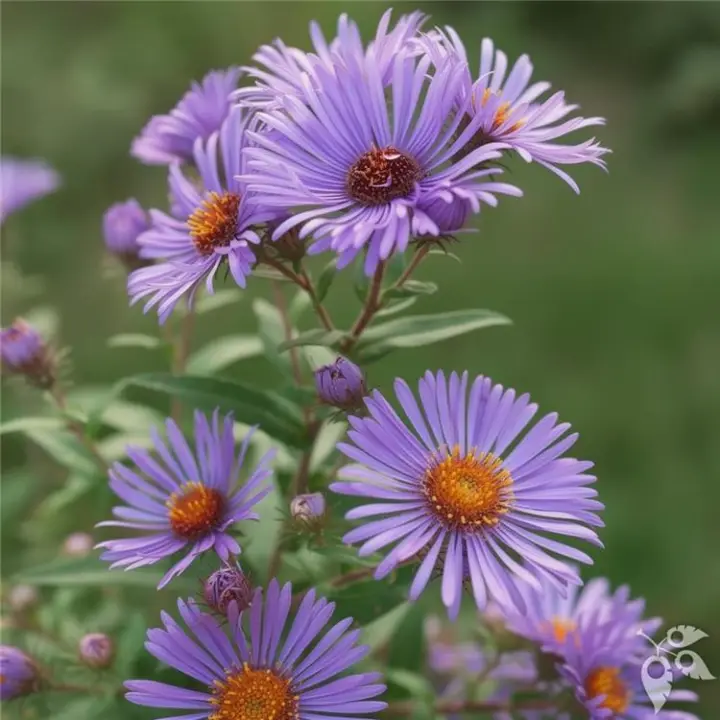
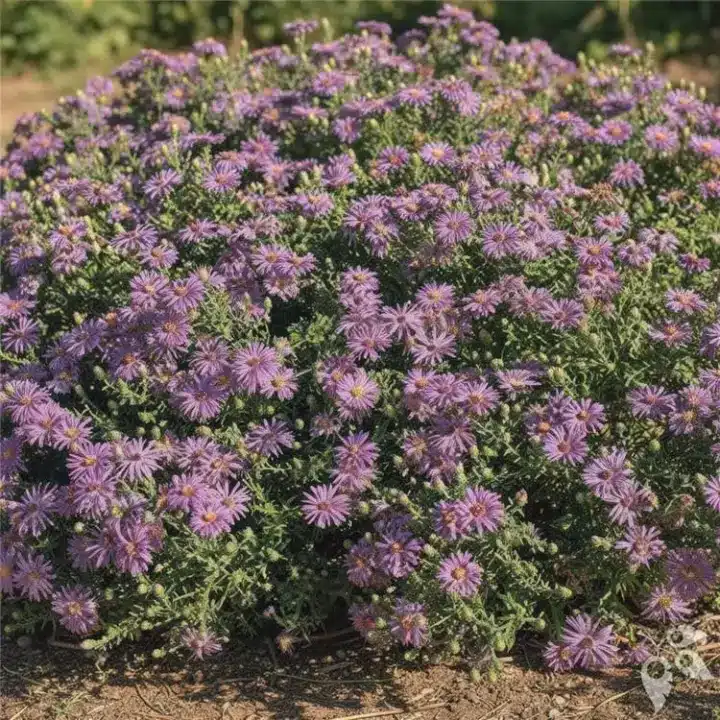
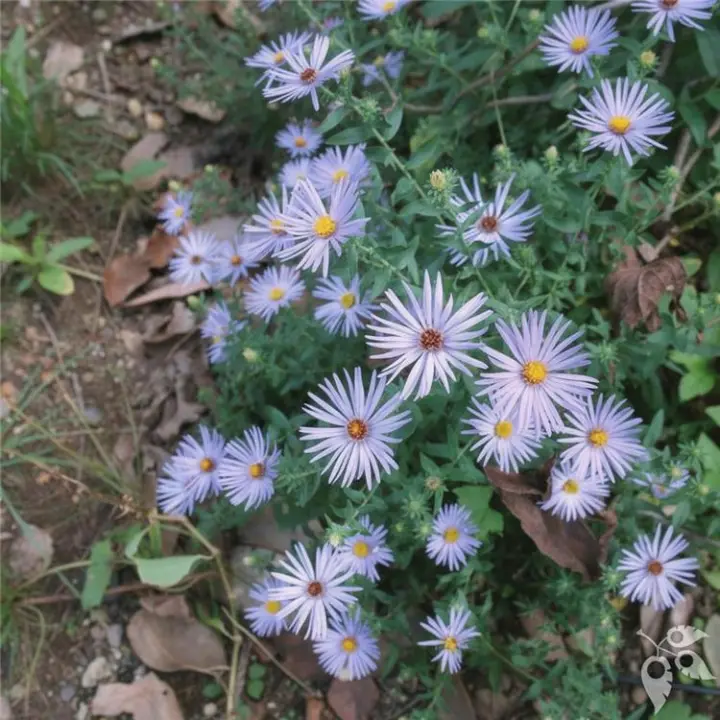
Fall Aster is native to the Eastern and Central U.S., especially Missouri. It is a deciduous perennial with fragrant purple daisy-like flowers and yellow centers. It can reach a height of 1-3 feet tall and spreads by stolons. It is the last plant to bloom before freezing temperatures begin, September through November. Its flowers and stems release a balsam-like fragrance when crushed. Fall Aster is used as a ground cover for dry, sunny areas and grows well with native grasses. Tea can be made from the roots of this plant to help reduce fever.
Propagation & Planting:
Seeds can be collected in the late fall, dried in a paper bag for a couple of weeks, and planted thickly after the last frost. Seedlings must be thinned after sprouting to allow space for the plant to grow. Softwood cuttings can be taken in the late spring and rooted. The plant can also be divided in the fall.
Basic Care Instructions:
New Asters should be planted in the spring in full sun. They should be spaced 1-3 apart. Aster plants may also be grown in large containers. This wildflower prefers rocky limestone or shale. The soil should be slightly acidic. It tolerates moist soil, but good drainage is essential to prevent fungal disease. Pinch flowers back in early summer to encourage more blooms. The plant can grow in sandy soil or clay but should not be allowed to dry out or become water-logged. The plant is cold-hardy in Zones 4-7.
Fertilizing Instructions:
If a thin layer of compost and about two inches of mulch are added to the soil in spring, new growth will emerge quicker.
Pruning Instructions:
Asters should be pinched back by one half in June to prevent top-heaviness and cause the plant to produce more flowers.
Pests & Disease:
Wild turkey and birds can eat the seeds and leaves of this plant, but the biggest potential problems are leaf spots or rust from excessive moisture. If too wet, Asters develop fungal stem rot.
Attracts
Resistances
Tolerances
Fall Aster FAQs
How much sun and water does Fall Aster need?
Fall Aster grows best in full sun (6+ hours) and tolerates part sun. It needs little water and grows in sandy or clay soil, but shouldn’t dry out completely. It is hardy in USDA zones 3A to 8B.
Should I pinch back Fall Aster?
Yes. Pinch the plants back by half in June to keep them from getting top-heavy and to produce more flowers.
Does Fall Aster need fertilizer?
Not much. A thin layer of compost and about two inches of mulch added in spring help new growth emerge sooner.