


How to Grow and Care for Sunflowers



About Sunflower
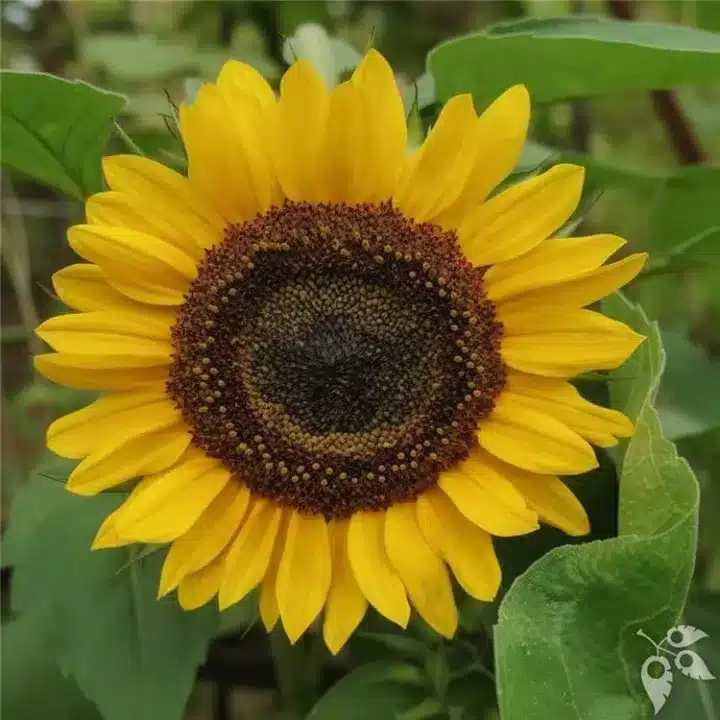
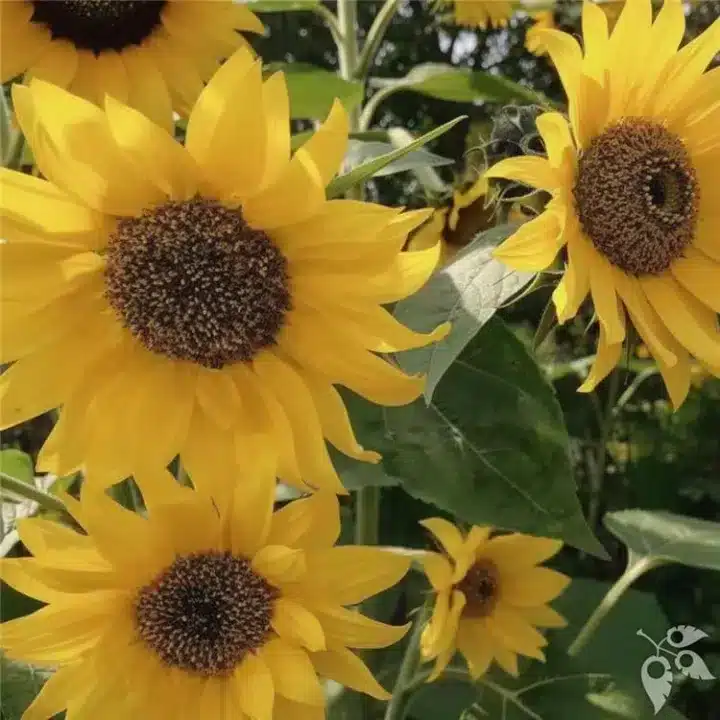
Sunflower (Helianthus annuus) grows 3 to 10 feet tall and is hardy in USDA zones 2 to 11. It grows best in full sun to part sun with low water.
The Common Sunflower, scientifically known as Helianthus annuus, is a striking annual plant celebrated for its towering height and large, vibrant blooms. This iconic plant is characterized by its broad, rough leaves and distinctive inflorescences consisting of golden-yellow ray florets encircling a central disc, which can range from brown to near black. Blooming typically occurs from midsummer to early fall, offering vivid displays that capture sunlight and provide an energizing splash of color in gardens. The Common Sunflower is an adaptable species, thriving in varied soil conditions as long as they are well-drained, and is highly drought-tolerant once established, making it a resilient choice for low-maintenance landscaping. This species attracts pollinators like bees and butterflies, providing ecological benefits and enhancing biodiversity. Home gardeners value sunflowers for their ability to create natural screens or striking backdrops due to their tall growth and bold appearance. Furthermore, the plant’s seeds, often harvested for consumption, are a source of nutrition for both humans and birds, adding functional value to their aesthetic appeal. Although appreciated for its robustness, the Common Sunflower can self-seed prolifically, leading to unintended spread if not managed properly. Despite its towering stature, the plant is non-toxic, making it a safe addition to gardens shared with pets and children. Distinguishing this species from similar varieties, the Common Sunflower typically features a single, unbranched stem with a single flower head per stalk, unlike its perennial relatives which may have multiple branches and flower heads. Due to its vigorous growth, this sunflower is less susceptible to disease and pest issues, although it may occasionally face challenges from common garden pests such as aphids or caterpillars. Its robust nature and ease of cultivation make it not only an enduring symbol of summer joy but also a practical choice for gardeners seeking to combine beauty with ecological function.
When to Plant Sunflowers
Sow sunflower seeds directly in the garden after your last spring frost, once the soil reaches about 50°F. Plant again every two to three weeks for flowers into fall.
How to Plant Sunflowers
To propagate the Common Sunflower, start by choosing viable seeds from a healthy plant. The seeds can be collected from the spent flower heads once they have dried on the plant. Fill small pots with a well-draining potting mix and plant the seeds about 1 inch deep. Water gently but thoroughly, ensuring the soil remains moist but not waterlogged. Place the pots in a sunny location or under grow lights to maintain a temperature of around 70°F (21°C). Germination typically occurs within 7 to 10 days. Thin seedlings to the strongest candidate per pot once they have developed true leaves. Transplant them outdoors after the last frost, when seedlings are sturdy. To plant Common Sunflowers, select a site with full sun exposure and well-draining soil. Prepare the soil by loosening it with a garden fork or tiller to a depth of about 12 inches, mixing in compost to enhance fertility. Sow seeds directly into the ground, spacing them 6 inches apart and pressing them 1 inch deep. If starting with seedlings, dig holes deep enough to cover their root balls and space them 1 to 1.5 feet apart. Water the soil thoroughly after planting to eliminate air pockets, but avoid waterlogging.
Sunflower Care
To care for the Common Sunflower, choose a location with full sun exposure, as sunlight is essential for optimal growth and flowering. Prepare well-drained soil enriched with organic matter, as this promotes healthy root development. Plant seeds directly after the last frost date, spacing them about 6 inches apart and burying them 1 inch deep. Maintain consistent moisture, especially during germination and early growth, without allowing the soil to become waterlogged. Mulching helps retain soil moisture and suppresses weed growth. As sunflowers grow rapidly, ensure they have adequate support to prevent bending or breaking, especially in windy conditions. Fertilize with a balanced slow-release fertilizer or compost during the growing season, but avoid excessive nitrogen, which can lead to weak stems. Monitor for pests like aphids and diseases such as powdery mildew, and address them promptly with appropriate organic or chemical controls. Deadhead spent blooms to encourage continuous blooming and prevent self-seeding if undesired. Regularly remove debris and fallen leaves to maintain plant health.
Fertilizing Sunflowers
Common Sunflowers benefit from moderate fertilization, particularly in nutrient-poor soils. Ideal fertilization includes using a balanced granular fertilizer with an NPK ratio of 10-10-10 or 5-10-10. Apply this early in the growing season when seedlings are a few inches tall, using approximately 1 to 2 pounds per 100 square feet; follow package instructions for precise measurements. It’s important to work the fertilizer into the soil gently and water thoroughly after application to prevent root burn. Additional fertilization is generally unnecessary unless leaves yellow or growth is stunted, indicating a nutrient deficiency. Avoid over-fertilizing, as this can lead to excessive foliage growth with fewer blooms. Fertilize when the soil is moist and during dry periods, increase watering frequency to support nutrient uptake.
Pruning Sunflowers
To prune the Common Sunflower, start by waiting until after it blooms, typically in late summer to early fall. This timing encourages healthy regrowth and minimizes stress on the plant. Use clean, sharp pruning shears and remove spent flowers to prevent disease and pest issues. Cut back any damaged or dead stalks to the base. Avoid pruning in winter or early spring when new growth is starting; this can hinder the plant’s vigor and future flowering. Prune judiciously, as excessive cutting can weaken the plant. Ensure clean cuts to promote fast healing and maintain overall plant health.
Sunflower Pests and Diseases
Common Sunflower is frequently affected by pests, including aphids and caterpillars, which can be identified by visible damage and sticky honeydew for aphids. Control aphids by applying insecticidal soap or neem oil, ensuring thorough coverage of affected areas. For caterpillars, manually remove them or implement Bacillus thuringiensis (Bt) as an organic solution. Common diseases include rust, powdery mildew, and downy mildew. Rust appears as orange pustules on leaves; control it by applying fungicide containing sulfur. Powdery mildew forms a whitish coating; treat it by improving air circulation and applying potassium bicarbonate. Downy mildew, identified by yellow spots and downy growth, requires removing infected parts and using copper-based fungicides. Ensure proper sanitation by removing plant debris, providing adequate spacing for airflow, and avoiding overhead watering to minimize disease risk. Regular monitoring and prompt treatment are paramount to maintain healthy Common Sunflower plants.


Are Sunflowers Toxic to Cats and Dogs?
No. The ASPCA lists sunflowers as non-toxic to dogs, cats and horses. If you think a pet has eaten a toxic plant, call your veterinarian or the ASPCA Animal Poison Control Center at (888) 426-4435.
Sunflower FAQs
How long do sunflowers take to grow?
Most sunflowers bloom 70 to 100 days after sowing, depending on the variety. Dwarf types flower fastest.
How deep do you plant sunflower seeds?
Plant seeds 1 to 2 inches deep and 6 inches apart, then thin to the spacing on the seed packet once seedlings appear.
Do sunflowers come back every year?
Common sunflowers (Helianthus annuus) are annuals and die after setting seed, though dropped seed often sprouts the next year.
Search thousands of plants for your zone with PlantTAGG Plant Search
The free PlantTAGG app gives you care reminders matched to your location and weather, plant ID and photo diagnosis, and answers to your gardening questions from Ask Emily.