Get care reminders for Gardenia tailored to your yard with the free PlantTAGG appDownload PlantTAGG on the App StoreGet PlantTAGG on Google Play

How to Grow and Care for Gardenias

Gardenia (Gardenia jasminoides)
Gardenia (Gardenia jasminoides) Gardenia (Gardenia jasminoides) Gardenia (Gardenia jasminoides) Gardenia (Gardenia jasminoides)
Full Sun – 6+ hours of sunMedium WaterAttracts PollinatorsDeer Resistant
Common Name: Cape Jasmine, Gardenia, Common Gardenia
Botanical Name: Gardenia jasminoides
Category: Shrub
Lifecycle: Perennial, Annual
USDA Symbol: GAJA
Hardiness Zones: 8A – 10B
Sun: Full Sun (6+ hours), Part Shade (2-4 hours)
Water: Medium
Soil: Adaptable
pH: Moderately Acidic (5.6-6.0)
Height: 4 to 8 ft
Spread: 4 to 8 ft
Spacing: 4 to 8 ft
Growth Rate: Moderate
Bloom Time: Spring, Summer
Bloom Color(s): White
Leaf Shape: Lanceolate
Leaf Arrangement: Whorled
Leaf Retention: Evergreen

About Gardenia

Gardenia (Gardenia jasminoides) grows 4 to 8 feet tall and is hardy in USDA zones 8 to 10. It grows best in full sun to part shade with medium water.

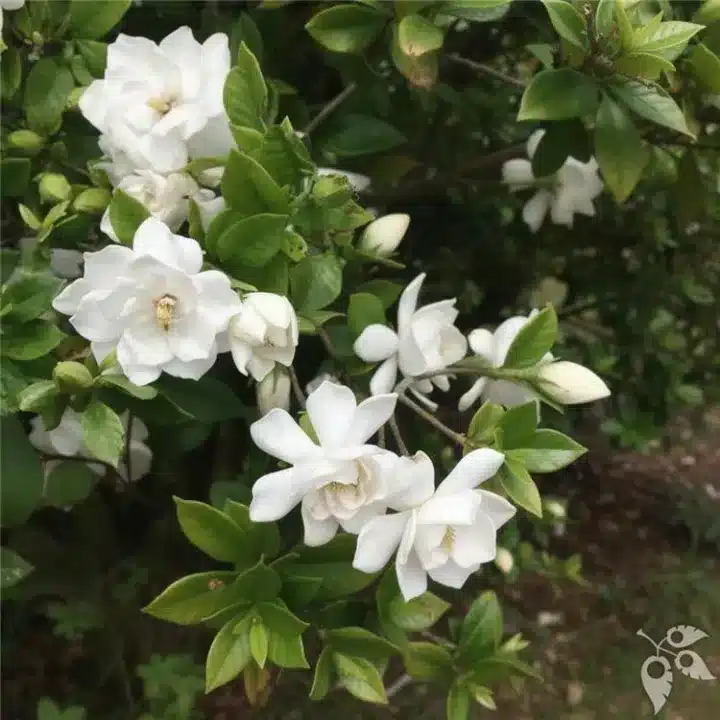
‘Gardenia jasminoides,’ most-commonly known as the ‘Cape Jasmine Gardenia’ or simply as the ‘Gardenia’ plant, features four inch, pure white or cream colored blossoms that exude a wonderfully-fragrant, romantic scent on sultry summer evenings. In addition to its elegant flowers, the ‘Gardenia’ presents glossy evergreen foliage on a lush, bushy form, which maintains a lovely appearance year-round. The four-inch-long, emerald-green leaves create a pleasing contrast against creamy white blooms, which are excellent for cutting, but extremely delicate. The flowers bloom year-round in areas where temperatures remain above sixty degrees Fahrenheit. Perennial within USDA hardiness zones 8-10, ‘Gardenia’ shrubs typically reach a height and spread of four to eight feet. This versatile shrub makes an exquisite hedge, container, or border plant and is especially-lovely espaliered or planted near entrances or patios where the beauty and scent of its blossoms can be noticed. The ‘Gardenia’ plant is a distinguished winner of the ‘Award of Garden Merit’ presented annually by the Royal Horticultural Society. Native to southern China, ‘Gardenias’ thrive in sunny landscapes and attract beautiful songbirds and butterflies to the garden. The genus name ‘Gardenia’ honors Alexander Garden, a noted Scottish botanist who resided in Charleston, South Carolina in 1752, and the botanical term ‘jasminoides’ translates to “jasmine-like,” referring to the plant’s alluring aroma.

When to Plant Gardenias

Plant gardenias in spring or early fall in acidic, well-drained soil. In zones colder than 8, grow them in containers and bring them indoors in winter.

How to Plant Gardenias

‘Gardenias’ thrive in fertile, acidic soil amended with rich, organic matter. The addition of peat moss and compost before planting is beneficial, and the soil should be kept consistently-moist. This plant performs best when receiving six to eight hours of full sunlight daily, but may need more shade in areas with very hot, dry summers. Protection from strong winds should be provided. Container plants may be purchased from most local nurseries in spring or fall and should be planted with the root ball slightly above the soil surface. Mulch is recommended to protect the roots and retain moisture. An ideal method of propagation is from cuttings of year-old wood taken in mid-winter, set into sandy soil in a protected area, and after one year, transplanted to a permanent location.

Gardenia Care

‘Gardenias’ require slightly moist soil, but the surrounding area must never become water-logged. The roots of this plant can be easily-damaged and should not be disturbed. In summer, the plant should be provided with consistently-even moisture. The soil must be well-drained, fertile, and slightly acidic.

Fertilizing Gardenias

‘Gardenias’ are considered “heavy feeders” and should be fertilized monthly with an acidic, high-nitrogen fertilizer such as fish emulsion, cottonseed meal, or blood meal. A commercially-prepared, water soluble 4-8-8 or 8-4-8 fertilizer can be applied in spring and re-applied monthly throughout the growing season. All fertilizers must be used according to the directions on the product label.

Pruning Gardenias

Pruning may re-energize old branches that are no longer displaying flowers. Pruning should be done immediately after the blooming period to remove weak or damaged branches. ‘Gardenias’ must be pruned only enough to maintain an attractive size and shape. The oldest, thickest, darkest-brown branches should be removed first to allow for new growth. The plant should be pruned before daytime temperatures average below sixty-five degrees Fahrenheit to avoid damaging developing blooms.

Gardenia Pests and Diseases

‘Gardenias’ are most-commonly affected by canker, a fungal disease that can enter the shrub through wounds caused by improper pruning. Discolored, diseased branches must be removed immediately with sharp, sterile pruning tools.

Are Gardenias Toxic to Cats and Dogs?

Yes. The ASPCA lists gardenias as toxic to dogs, cats and horses, causing mild vomiting and diarrhea. If you think a pet has eaten a toxic plant, call your veterinarian or the ASPCA Animal Poison Control Center at (888) 426-4435.

Gardenia FAQs

Why are my gardenia buds falling off?

Bud drop is usually caused by sudden temperature changes, dry soil, low humidity or moving the plant. Keep conditions steady while buds form.

Why are my gardenia leaves turning yellow?

Gardenias need acidic soil (pH 5.0 to 6.5). Yellow leaves often mean the soil is too alkaline or the plant needs iron.

When should I prune a gardenia?

Prune right after flowering ends. Gardenias set next year’s buds in late summer and fall.

Search thousands of plants for your zone with PlantTAGG Plant Search

Grow a healthier Gardenia

The free PlantTAGG app gives you care reminders matched to your location and weather, plant ID and photo diagnosis, and answers to your gardening questions from Ask Emily.

Download PlantTAGG on the App StoreGet PlantTAGG on Google Play
Close the Mobile Menu