Get care reminders for Juniper tailored to your yard with the free PlantTAGG appDownload PlantTAGG on the App StoreGet PlantTAGG on Google Play

How to Grow and Care for Junipers

Juniper (Juniperus chinensis)
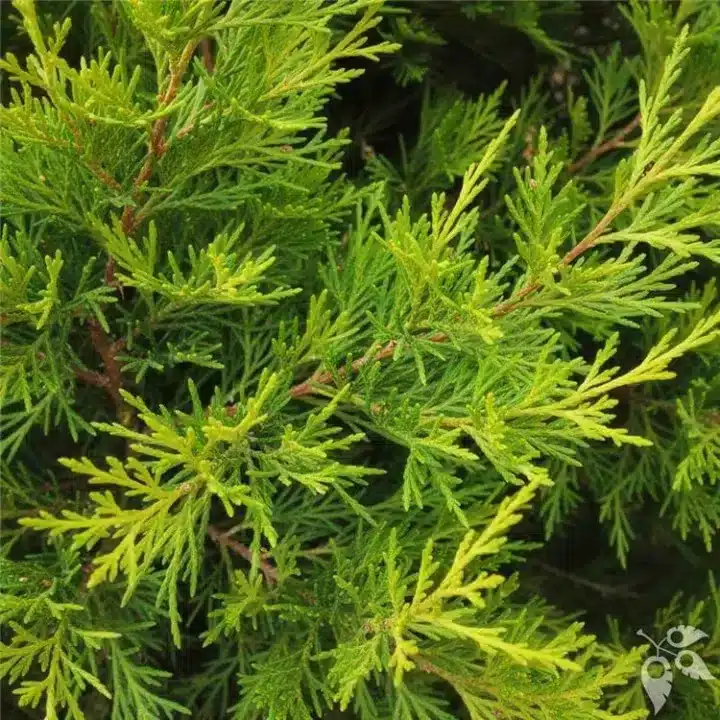
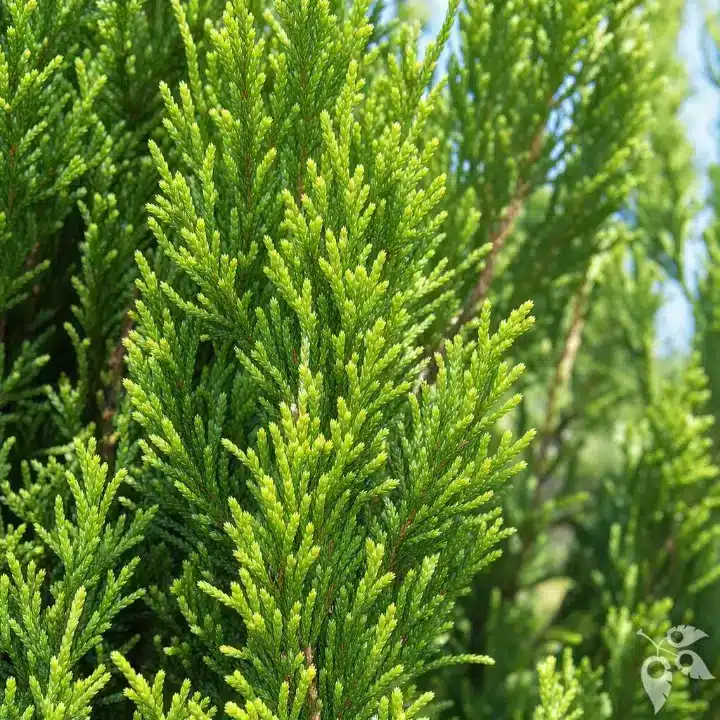
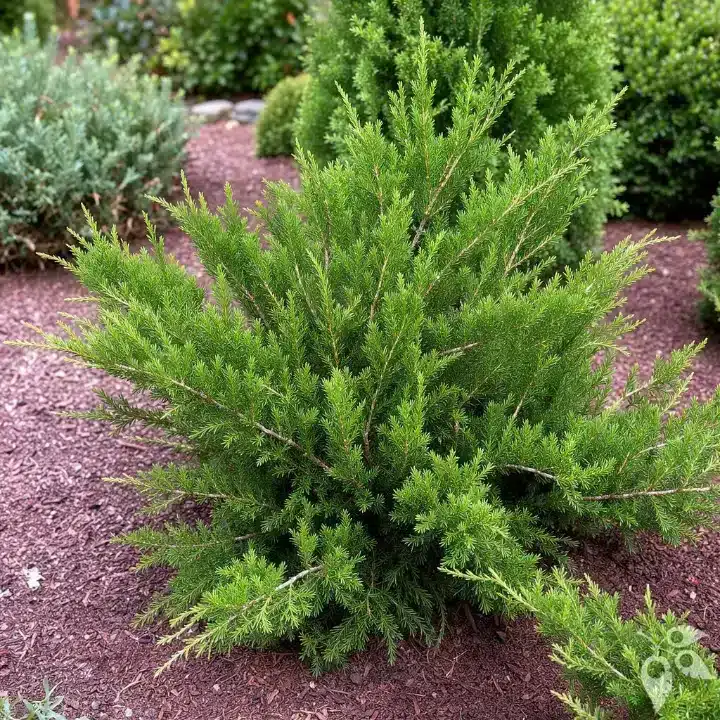
Juniper (Juniperus chinensis) Juniper (Juniperus chinensis) Juniper (Juniperus chinensis)
Full Sun – 6+ hours of sunMedium WaterAttracts PollinatorsDeer Resistant
Common Name: Chinese Juniper, Gold Lace, Hollywood Juniper
Botanical Name: Juniperus chinensis
Category: Tree (Ornamental)
Lifecycle: Perennial, Annual
USDA Symbol: JUCH4
Hardiness Zones: 4A – 9B
Sun: Full Sun (6+ hours), Part Sun (4-6 hours)
Water: Medium
Soil: Adaptable
pH: Neutral (6.6-7.3)
Height: 10 to 50 ft
Spread: 6 to 20 ft
Spacing: 15 to 30 ft
Growth Rate: Slow
Bloom Time: Non-Flowering
Leaf Shape: Pinnate
Leaf Arrangement: Opposite
Leaf Retention: Evergreen

About Juniper

Juniper (Juniperus chinensis) grows 10 to 50 feet tall and is hardy in USDA zones 4 to 9. It grows best in full sun to part sun with medium water.

Chinese Juniper (Juniperus Chinensis) is a woody, needled evergreen conifer native to eastern Asia, including China, Mongolia, Japan, and the Himalayas. It is a low-maintenance bushy conical tree that can grow up to 50-60 feet in height with a spread of 15-20 feet. Chinese Juniper has a USDA Plant Hardiness Zone: 4a – 9b. It should be planted in the full sun into moist soil that provides a neutral pH and good drainage. Chinese Juniper may be employed as a specimen plant to fill assorted landscape niches. Most prefer sunny locations, but it will accept the partial shade. The dark green, aromatic foliage is characterized as a juvenile, paired or in threes, 8mm long pointed needles called awl, and adult, flat, scale-like in 2 opposite pairs. The bark is light brown, with ridges peeling in thin strips. There are no flowers, but cones are large and brown and fall apart upon maturity. Female cones are blue fleshy, “berry” looking. Propagation requires both male and female trees (dioecious); male pollen cones are catkin-like, while female plants have light blue seed cones that take the form of a fleshy berry. These take two years to mature and become violet brown to black. Immature berries may be used in cooking for seasoning. Multiple varieties have many forms with heights, from low ground covers through shrubs to short or tall trees. There are also wide varieties of junipers with various shapes and colors. Chinese Juniper can be placed on a lawn, within an Asian Garden, or used as an accent or a hedge. It is resistant to deer, pollution, and salt. It has been noted to be a malodorous swept clean in the leaf drop zone. Native alternatives include Juniperus virginiana and Juniperus communis ‘Compressa.’ Juniperus chinensis bonsai is an alternative growth pattern.

When to Plant Junipers

Plant junipers in spring or early fall so roots establish before summer heat or winter cold.

How to Plant Junipers

Chinese Juniper transplants easily. It should be planted in the full sun into the soil with good drainage and a nearly neutral pH (6.0-8.0). Each Chinese Juniper should be allowed 20 ft. of space. Propagation requires both male and female trees (dioecious); male pollen cones are catkin-like, while female plants have light blue seed cones that take the form of a fleshy berry. Another recommended propagation strategy is stem cutting.

Juniper Care

Chinese Juniper requires full sun exposure with consistent adequate soil moisture. This slow-growing tree adapts to most soils from mildly acidic to alkaline (pH5.0 to 8.0) if the soil is kept moderately moist but well-drained. Established plants can tolerate slight drought and rocky soil.

Fertilizing Junipers

Early in the spring is the best time to fertilize your Juniperus Chinensis. During this time, the tree will be entering its season of growth. Ideally, you should use a slow-release granular fertilizer such as 10-10-10 applied to the root zones surrounding the base of the tree. The other option available is to use an organic fertilizer or bone meal.

Pruning Junipers

Prune junipers annually to correct their shape back into the desired condition. The best time to prune your junipers is in the winter or early spring. In the springtime, it is easier to see the general shape of the tree and cut the branches without having to worry about accidentally harming new growth. Winter pruning is a great option because it ensures that the plant is pruned before new growth begins. It is important to prune before new growth begins so that damage to new branches does not occur.

Juniper Pests and Diseases

Deer seldom damage Chinese Juniper. It is tolerant of air pollution and is moderately salt tolerant. It is fungus susceptible as the first half of the cycle of Cedar-Apple Rust, with round orange galls forming on infected branches and needles in spring reaching as much as 2 inches. The galls can form a brown thick tendril or horn which harbors the spores that, in turn, infect nearby apple trees completing the cycle.

Are Junipers Toxic to Cats and Dogs?

PlantTAGG does not rate juniper as pet-friendly. Chinese juniper is not on the ASPCA’s toxic plant list, but the foliage and berries can cause vomiting and stomach upset, and the prickly needles can irritate a pet’s mouth. If you think a pet has eaten a toxic plant, call your veterinarian or the ASPCA Animal Poison Control Center at (888) 426-4435.

Juniper FAQs

How fast do junipers grow?

It depends on the form. Groundcover junipers spread 6 to 12 inches a year, while upright Chinese junipers grow about 1 foot a year.

Can you prune junipers?

Lightly, in spring. Junipers do not regrow from bare, brown wood, so trim only green growth.

Why is my juniper turning brown?

Common causes are poor drainage, too much shade, winter burn or fungal blight. Junipers need full sun and well-drained soil.

Search thousands of plants for your zone with PlantTAGG Plant Search

Grow a healthier Juniper

The free PlantTAGG app gives you care reminders matched to your location and weather, plant ID and photo diagnosis, and answers to your gardening questions from Ask Emily.

Download PlantTAGG on the App StoreGet PlantTAGG on Google Play
Close the Mobile Menu