About Autumn Sage
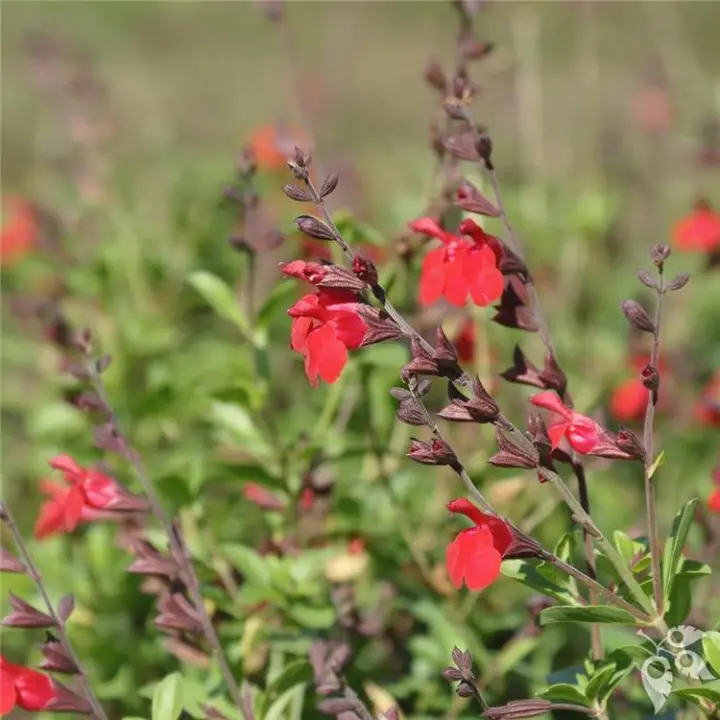
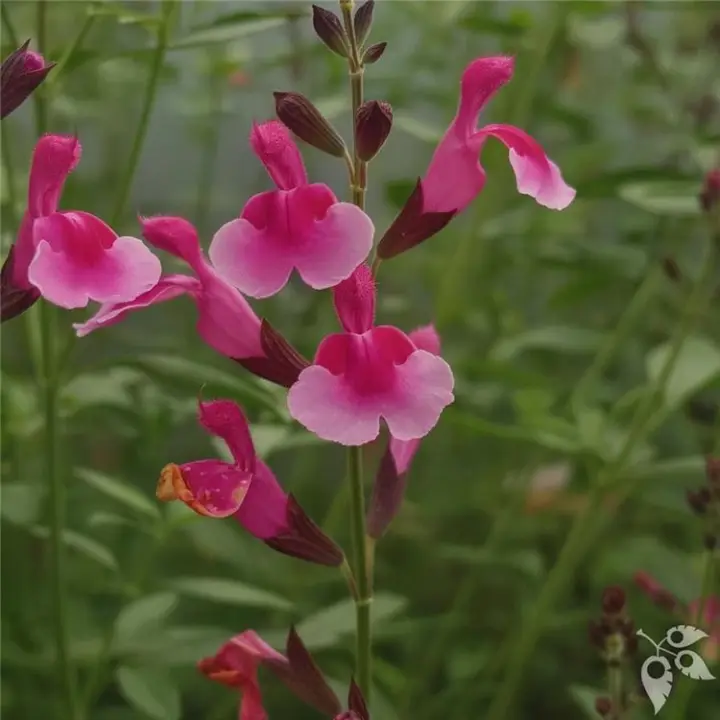
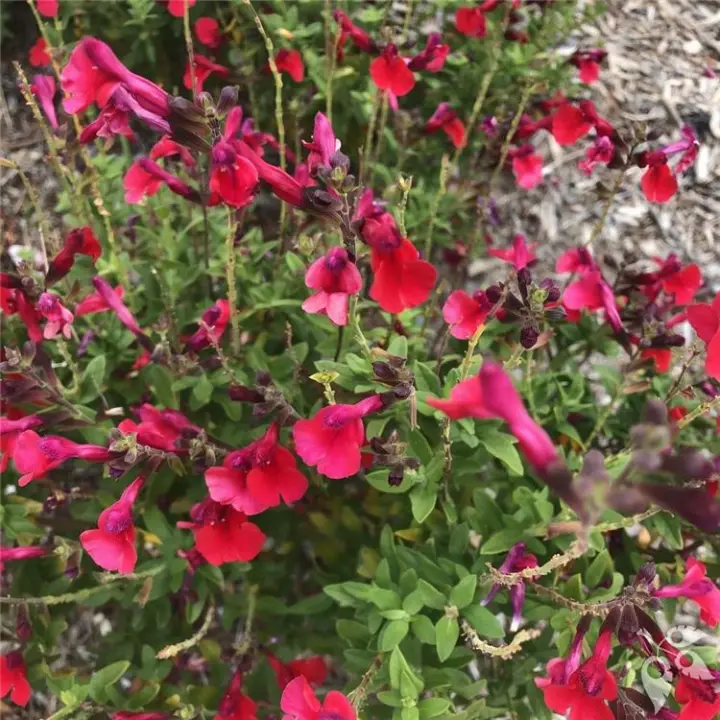
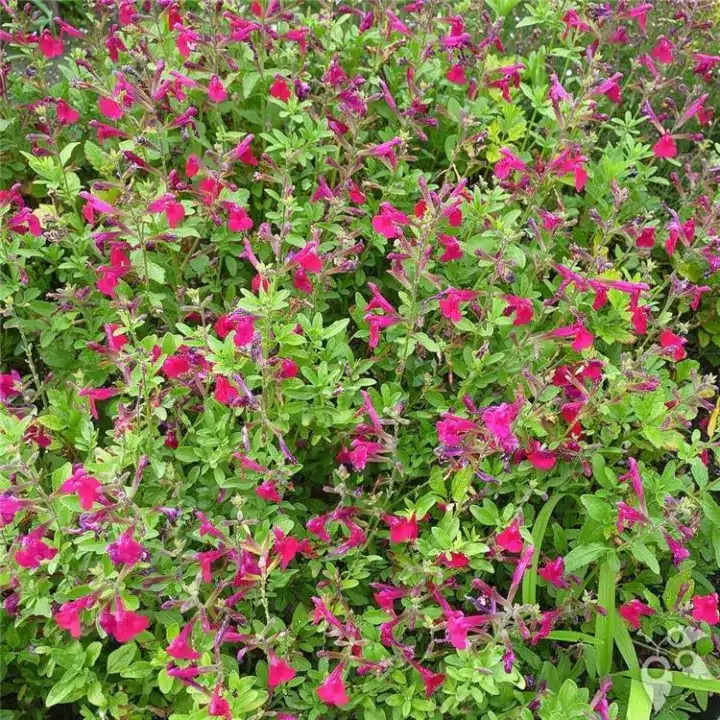
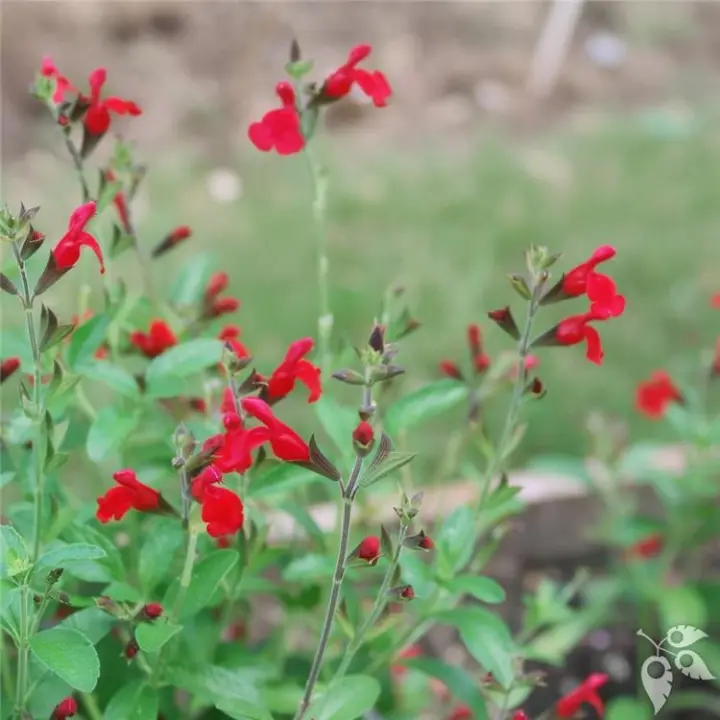
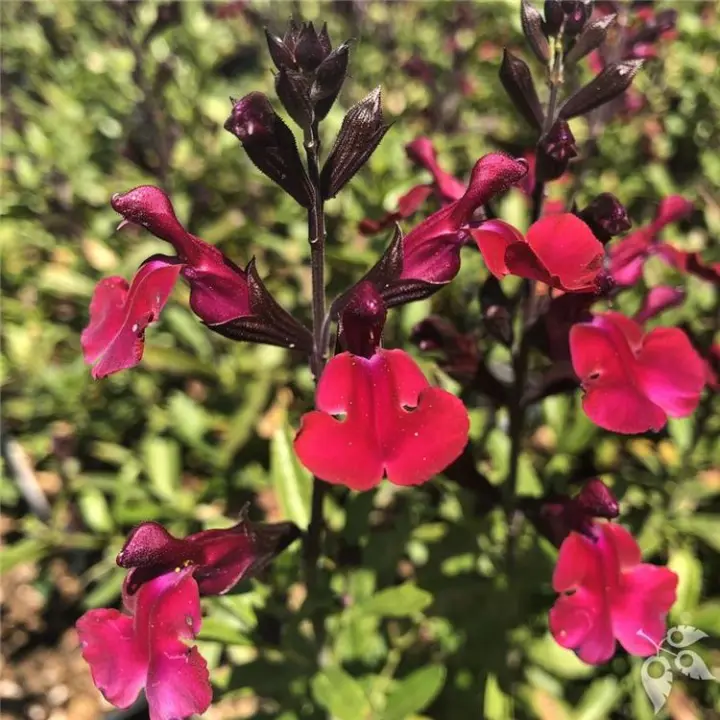
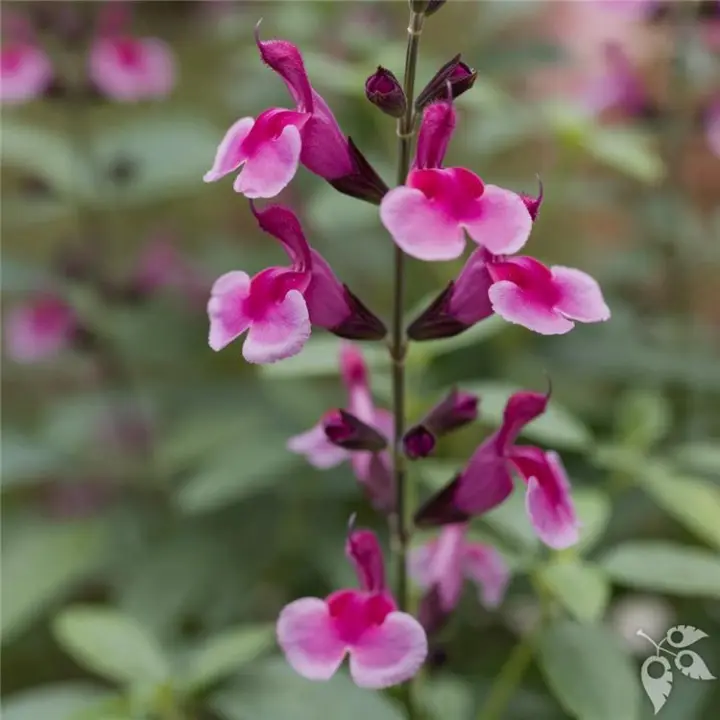
Autumn Sage is a small, fragrant, mounding shrub with long-blooming red, pink, orange, salmon, or white flowers followed by small, nut-like seeds. This lovely plant is quite easy to grow and thrives in garden borders, xeriscapes, rain gardens, or containers. Autumn Sage is native to Texas and Mexico. The flowers are edible, and the leaves have a mint-like aroma and have been used as a flavoring for tea. Autumn Sage is perennial in zones 7-9, and blooms non-stop from early spring through fall.Propagation & Planting
Most importantly, Autumn Sage will not tolerate wet clay soil. This plant thrives in dry, rocky, well-drained soil and prefers full sun. Because Autumn Sage needs little water, it is best to keep it away from automatic sprinklers. The plant can be propagated from seeds, which may be taken from the dried seed pods after the flowers fade. A new plant may also be grown from cuttings dipped in rooting hormone, planted in moist growing medium, and planted after new roots have developed.
Plant Care
Once established, Autumn Sage thrives with very little care, especially when planted in well-draining soil and located where it will receive full sun.
Fertilize
Autumn Sage does not require fertilizer. In fact, fertilizer can quickly kill this plant.
Prune
The dead-heading of spent flowers encourages more blooms. Autumn Sage may be pruned heavily in August and again in late winter in order to maintain an attractive, mounded shape.
Pests & Disease
There are no insect pests or diseases common to Autumn Sage.Attracts
Resistances
Tolerances
Autumn Sage FAQs
How much sun and water does Autumn Sage need?
Autumn Sage grows best in full sun (6+ hours) and tolerates part shade. It needs little water once established and adapts to most soils. It is hardy in USDA zones 7A to 9B.
When should I prune Autumn Sage?
Deadhead spent flowers to encourage more blooms. Autumn Sage can be pruned heavily in August and again in late winter to keep an attractive, mounded shape.
Does Autumn Sage need fertilizer?
No. Autumn Sage does not need fertilizer, and fertilizing can quickly kill the plant.