Get care reminders for Phlox tailored to your yard with the free PlantTAGG appDownload PlantTAGG on the App StoreGet PlantTAGG on Google Play

How to Grow and Care for Phlox

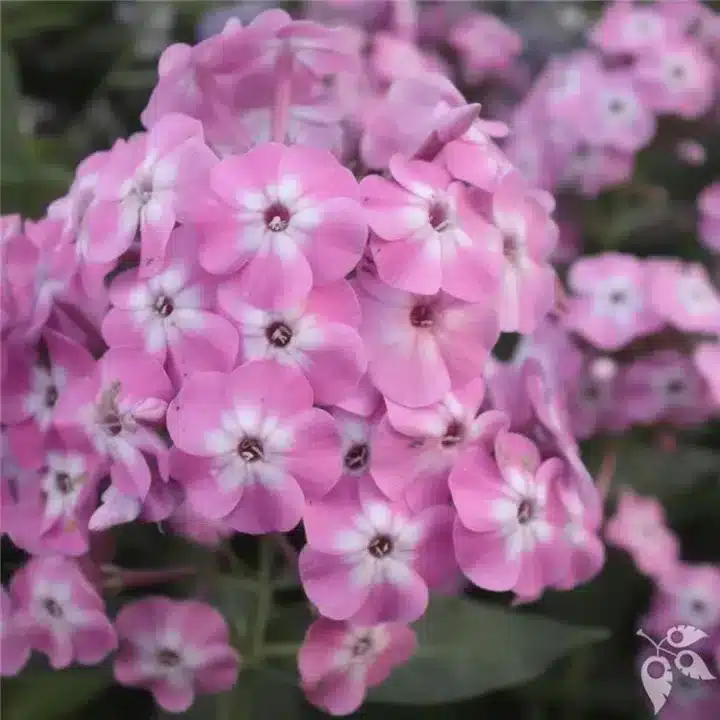
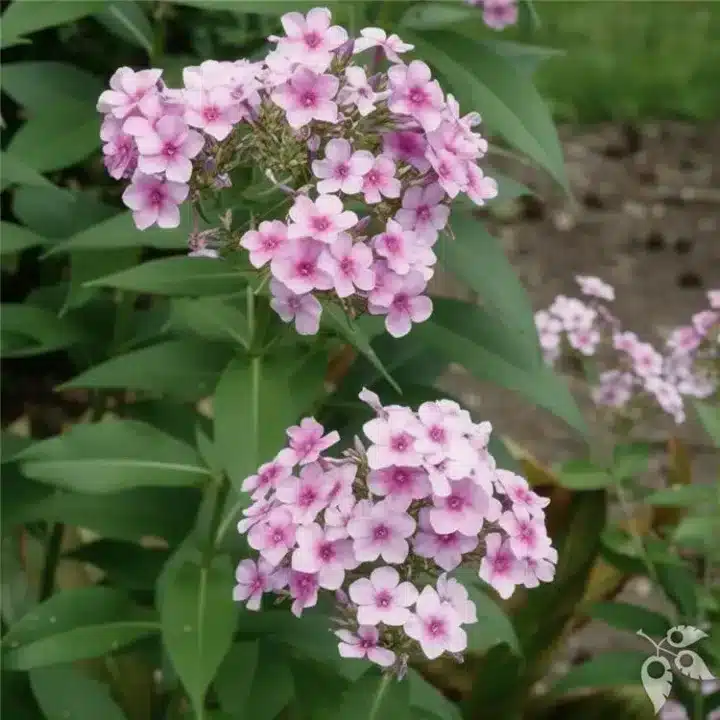
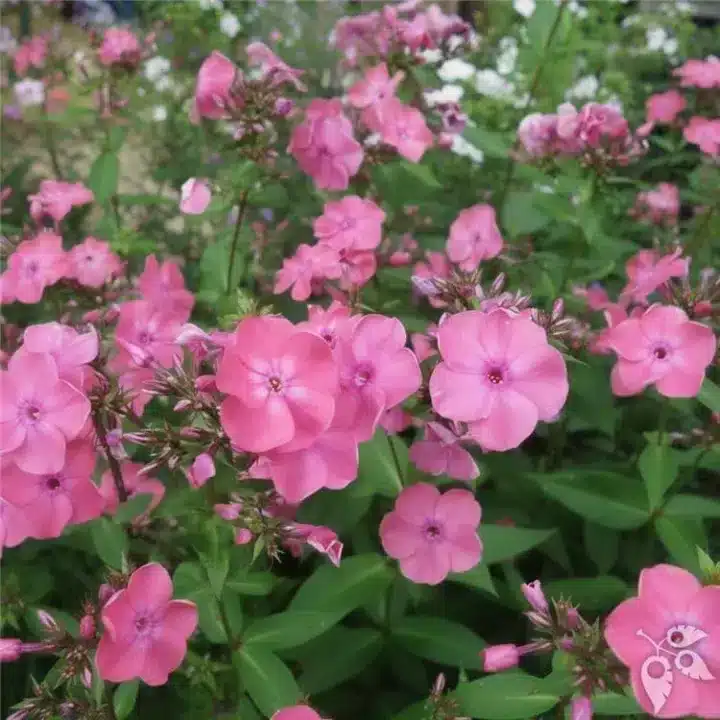
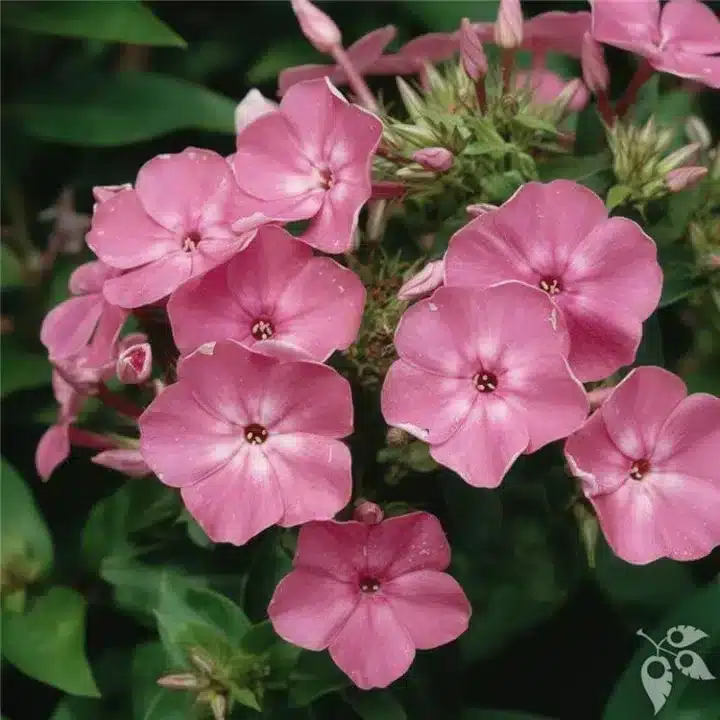
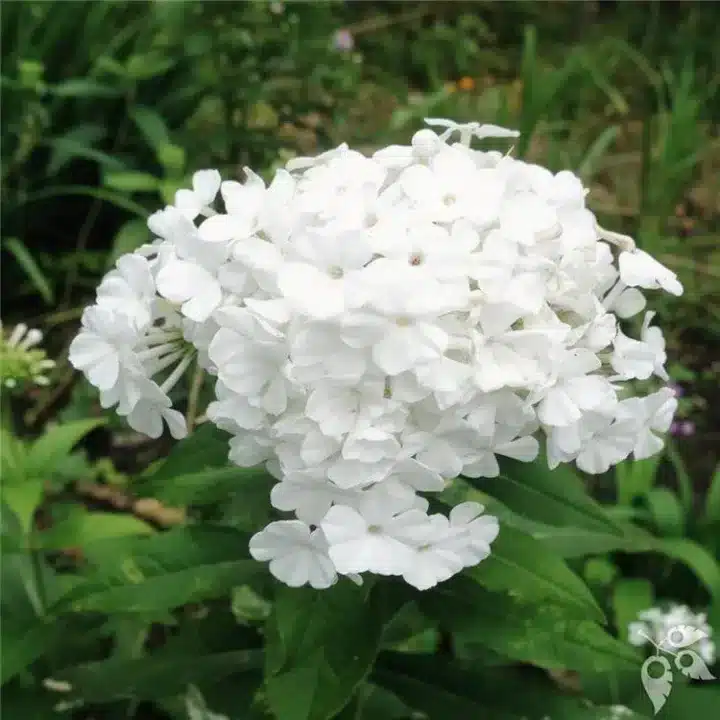
Phlox (Phlox paniculata)
Phlox (Phlox paniculata) Phlox (Phlox paniculata) Phlox (Phlox paniculata) Phlox (Phlox paniculata) Phlox (Phlox paniculata) Phlox (Phlox paniculata)
Full Sun – 6+ hours of sunMedium WaterAttracts PollinatorsPet FriendlyNorth American NativeDeer Resistant
Common Name: Garden Phlox, Summer Phlox, Fall Phlox
Botanical Name: Phlox paniculata
Category: Perennial
Lifecycle: Perennial, Annual
USDA Symbol: PHPA9
Hardiness Zones: 4A – 8B
Sun: Full Sun (6+ hours), Part Sun (4-6 hours)
Water: Medium
Soil: Loam
pH: Slightly Acidic (6.1-6.5)
Height: 2 to 4 ft
Spread: 2 to 3 ft
Spacing: 2 to 3 ft
Growth Rate: Moderate
Bloom Time: Summer
Bloom Color(s): Pink, Purple, White, Blue, Lavender
Leaf Shape: Obovate
Leaf Arrangement: Opposite
Leaf Retention: Deciduous

About Phlox

Phlox (Phlox paniculata) grows 2 to 4 feet tall and is hardy in USDA zones 4 to 8. It grows best in full sun to part sun with medium water.

With showy, fragrant blooms available in a variety of intense colors, Garden Phlox is a lovely classic for perennial beds, borders, patio containers and more. The bold flower panicles of Garden Phlox bloom in tiers on an upright stem, and are available in a variety of colors, including white, blue, pink, purple, magenta and lavender. The genus name, “Phlox,” is derived from the Greek word, meaning “flame” in reference to the intense colors of its varieties. These brilliant flowers begin blooming in June and continue throughout the summer. Garden Phlox grows best in full sun but will tolerate some light shade, especially in the hotter, sunnier regions. Hardy throughout USDA zones 4-8, Phlox prefers a rich, fertile soil that is damp, but well drained. This plant is not drought tolerant and may require extra water during dry summer days, as well as mulching to keep the root zone cool. A healthy, mature plant grows 2-4 feet high and spreads 2-3 feet wide. Garden Phlox is native to the eastern United States and originated along thickets, open woods, streams, river banks and bluffs. Many varieties have escaped gardens, and naturalized beyond its original native range. The spectacular blooms of Garden phlox are rich with nectar, attracting birds, butterflies, bees and hummingbirds, making it a good selection for pollinator or bird gardens. The blossoms also make beautiful cut flowers for vase arrangements.

When to Plant Phlox

Plant garden phlox in spring after the last frost or in early fall, spacing plants for good air circulation.

How to Plant Phlox

Garden Phlox does best in full sun, but might require some afternoon shade in the hottest climates, especially in zone 8. Plant in a rich, fertile, well-drained soil, spaced 2-3 feet apart. This plant is highly susceptible to powdery mildew, requiring good air circulation and adequate spacing to prevent infection. Choose a location that receives a light breeze throughout the day. Cultivars resistant to powdery mildew are often the best choices. This plant does not tolerate “wet feet” and good soil drainage will help prevent root rot. Garden Phlox is propagated by stem cuttings, root cuttings, seed or division.

Phlox Care

Garden Phlox benefits from year round mulching to keep the root zone cool in the summer, and to prevent frost damage in winter. Removing faded flower panicles throughout the summer will prolong blooming, and prevent unwanted seedlings. Regular watering may be necessary when rainfall is inadequate; however, overhead watering should be avoided to prevent powdery mildew. Taller stems of Garden Phlox may need staking when blooms are heavy.

Fertilizing Phlox

When planted in fertile soil, Garden Phlox requires no fertilization. Year round mulching with a quality mulch provides beneficial microorganisms and enhances the nutrients of the soil.

Pruning Phlox

In early winter Garden Phlox should be cut to the ground and removed from the garden to minimize possible powdery mildew infection for the following growing season. During late summer months, deadheading faded flower panicles will prolong the blooming season and prevent unwanted seedlings.

Phlox Pests and Diseases

Garden Phlox is susceptible to powdery mildew and requires good air circulation; thinning plants may be necessary, and overhead irrigation should be avoided. At the first sign of powdery mildew, remove the affected stalk and destroy it. You may spray the plant with an all natural, organic fungicide. Always read and follow package directions for all fungicides. Cultivars resistant to powdery mildew are often the best choices. In hot dry conditions Garden Phlox may be plagued by spider mites. At the first sign of spider mites, apply an insecticidal soap. For advanced infestations and longer-lasting protection you may follow with an insecticidal oil, like neem oil. Always read and follow package directions with any insecticidal product. Phlox is also susceptible to root rot; planting in a location with well-drained soil can help prevent this condition.

Is Phlox Toxic to Cats and Dogs?

No. The ASPCA lists phlox as non-toxic to dogs, cats and horses. If you think a pet has eaten a toxic plant, call your veterinarian or the ASPCA Animal Poison Control Center at (888) 426-4435.

Phlox FAQs

How do I prevent powdery mildew on phlox?

Space plants 2 to 3 feet apart, water at the soil line, thin crowded stems in spring and choose mildew-resistant cultivars such as ‘David’.

Does phlox come back every year?

Yes. Garden phlox is a hardy perennial in zones 4 to 8 and returns each summer.

Should I deadhead phlox?

Yes. Removing faded flower clusters extends blooming and prevents unwanted self-seeding.

Search thousands of plants for your zone with PlantTAGG Plant Search

Grow a healthier Phlox

The free PlantTAGG app gives you care reminders matched to your location and weather, plant ID and photo diagnosis, and answers to your gardening questions from Ask Emily.

Download PlantTAGG on the App StoreGet PlantTAGG on Google Play
Close the Mobile Menu