Sun: Part Shade (2-4 hours), High Shade (1-2 hours)
Water: Medium
Soil: Loam
pH: Slightly Acidic (6.1-6.5)
Height: 6 to 36 in
Spread: 1 to 6 ft
Spacing: 18 to 24 in
Growth Rate: Rapid
Bloom Time: Summer
Bloom Color(s): Violet, White, Lavender
Leaf Shape: Oval
Leaf Arrangement: Whorled
Leaf Retention: Deciduous
About Hosta
Hosta (Hosta spp.) grows 6 to 36 inches tall and is hardy in USDA zones 3 to 8. It grows best in part shade to bright shade with medium water.
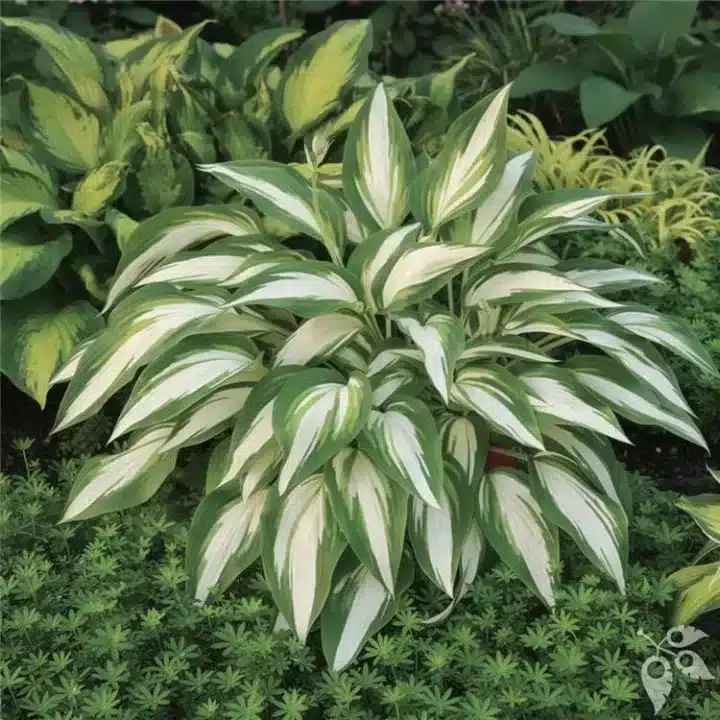
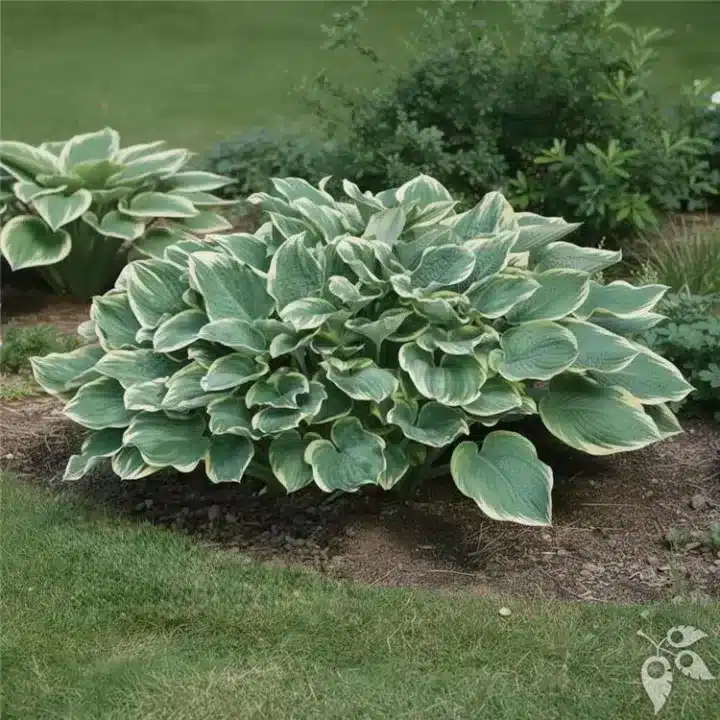
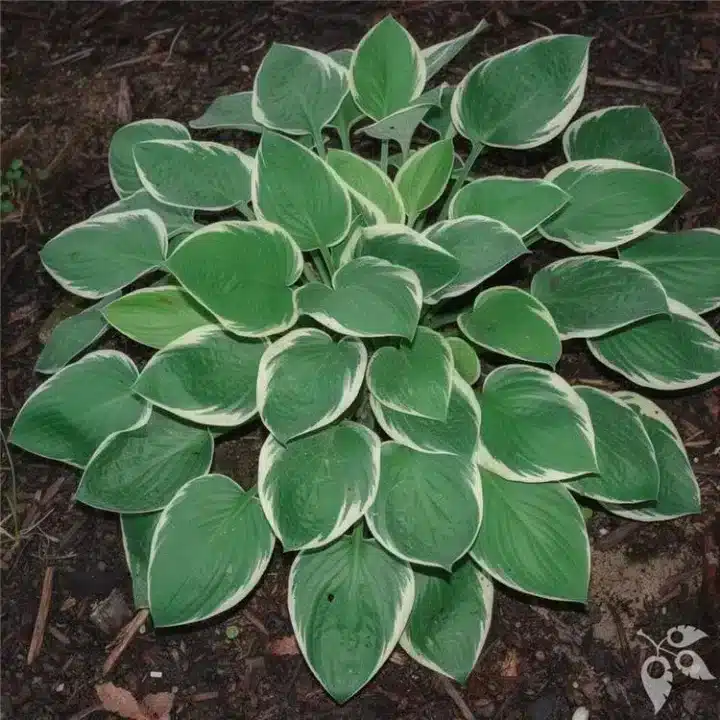
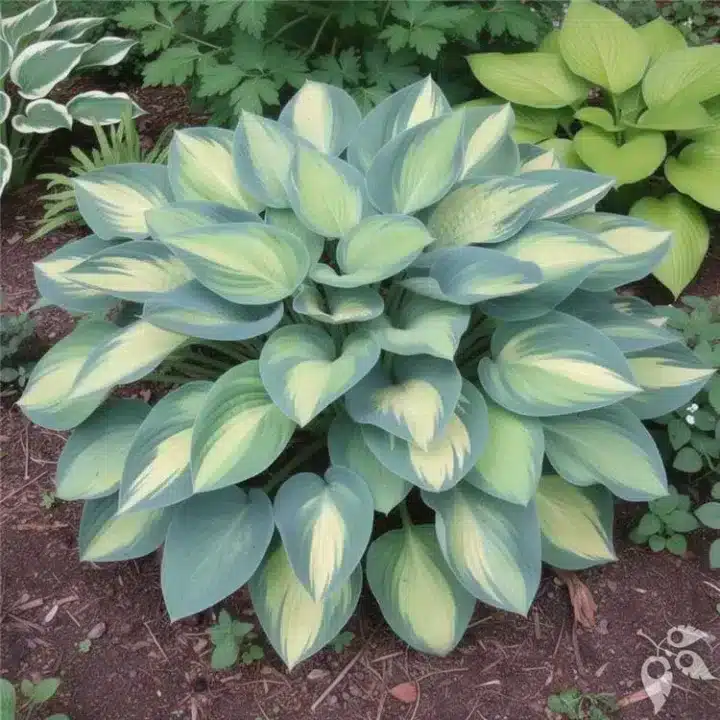
Hostas were first introduced to America around 1712. Wild species have been known to grow in Japan, Korea and China since 1682. Hosta is a shade-loving flowering perennial grown for its superb foliage. Small tubular flowers in lilac, and white bloom well above the leaves in late summer. There are more than 70 species of Hosta as well as hundreds of hybrids and cultivars. Hostas offer a range of leaf color and appearance. Leaves can be oval to heart shaped, some with a wavy appearance, others have wide, deeply striated leaves. Colors can range from bright yellow to a range of greens to blue to chartreuse. In addition, many are variegated offering even more variety. Hostas are hardy in zones 3-8. All Hostas die back to the ground in late fall to return in the spring. They range from 6 inches to 3 feet tall, and from 10 inches to 6 feet wide. Their clumping form makes a colorful and interesting ground cover in shady areas. Hosta is toxic to dogs, cats and horses.
When to Plant Hostas
Plant hostas in spring as new shoots emerge or in early fall, about a month before your first frost.
How to Plant Hostas
Hostas may be planted in spring and in late summer. They will easily take root at these times. Plant Hostas at least 6 weeks before the first frost. Hostas prefer afternoon shade, but varieties with light foliage can handle more sun. Plant Hostas in humus-rich somewhat acidic soil with good drainage. Hostas will readily spread by rhizomes, so leave a good space between plantings. They are low maintenance and need little attention. Hostas are relatively drought tolerant but will appreciate slightly moist soil which can be achieved by mulching.
Hosta Care
Water Hostas during dry spells, more often if planted under trees which compete for water and nutrients. Overwatering may cause rot. For increasing Hosta stock, divide them in spring or fall if they have outgrown their space. Use Hostas in borders, or as specimen plants in a shade or woodland garden.
Fertilizing Hostas
A 10-10-10 granular fertilizer applied 3 or 4 times a year will benefit Hostas.
Pruning Hostas
Hostas may be pruned during the growing season to tidy up damage done by pests. In the fall, when foliage begins to fade, trim back the leaves to ground level. Make sure to bag and dispose of dead leaves to prevent bugs from overwintering in them.
Hosta Pests and Diseases
Slugs and snails love Hostas and will go to work on the leaves. Slug bait or pine straw mulch will help this problem. Deer adore Hostas as do rabbits. The best way to keep them from eating the plants is to fence the area with wood, electronically, or heavy plastic mesh. Hostas grow beautifully in pots and planters which can help eradicate some of the pests.
Attracts:
Bee
Birds
Butterfly
Humming birds
Resistances:
Rabbit
Deer
Disease
Tolerances:
Freeze
Heavy Shade
Dry Soil
Heat
Are Hostas Toxic to Cats and Dogs?
Yes. The ASPCA lists hostas as toxic to dogs, cats and horses. They contain saponins that cause vomiting and diarrhea. If you think a pet has eaten a toxic plant, call your veterinarian or the ASPCA Animal Poison Control Center at (888) 426-4435.
Hosta FAQs
Can hostas grow in full sun?
Most hostas prefer shade. Some varieties, especially gold and fragrant types, tolerate morning sun with consistent moisture.
How do I keep slugs off hostas?
Remove hiding spots such as leaf litter, water in the morning and use slug traps or iron phosphate bait. Thick-leaved varieties resist slugs better.
When should I divide hostas?
Divide hostas in early spring as the shoots emerge or in late summer, every four to five years or when clumps get crowded.