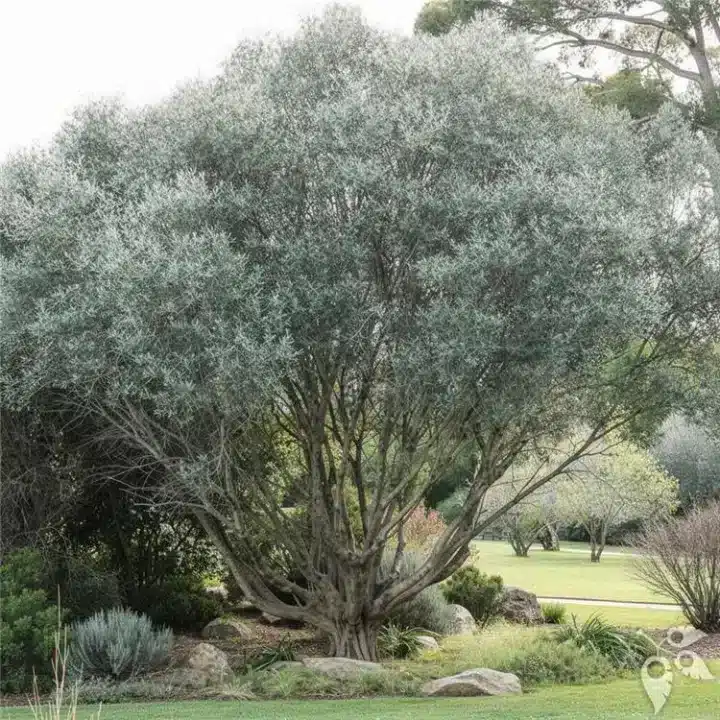
When to Plant Olive Trees
Plant olive trees outdoors in spring in zones 8 to 10. In colder areas, grow them in containers and bring them indoors before frost.
How to Plant Olive Trees
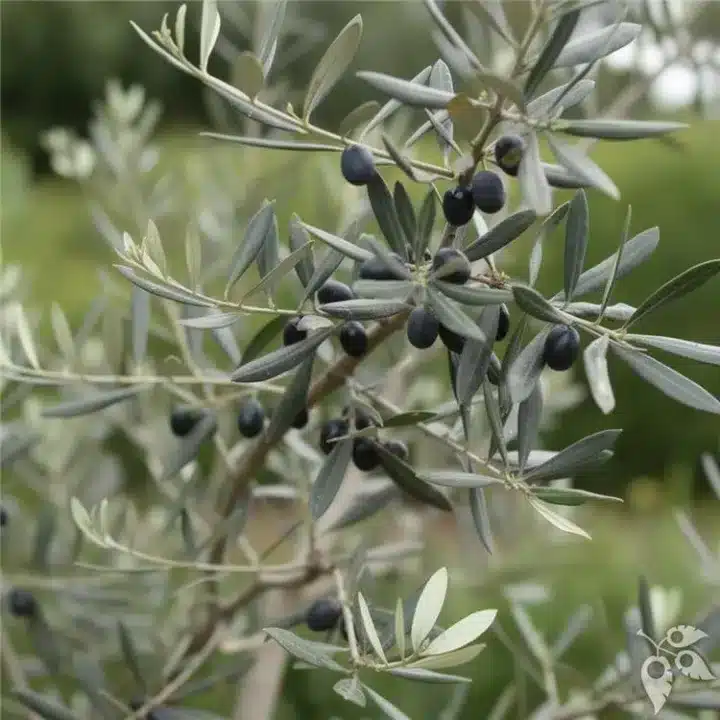
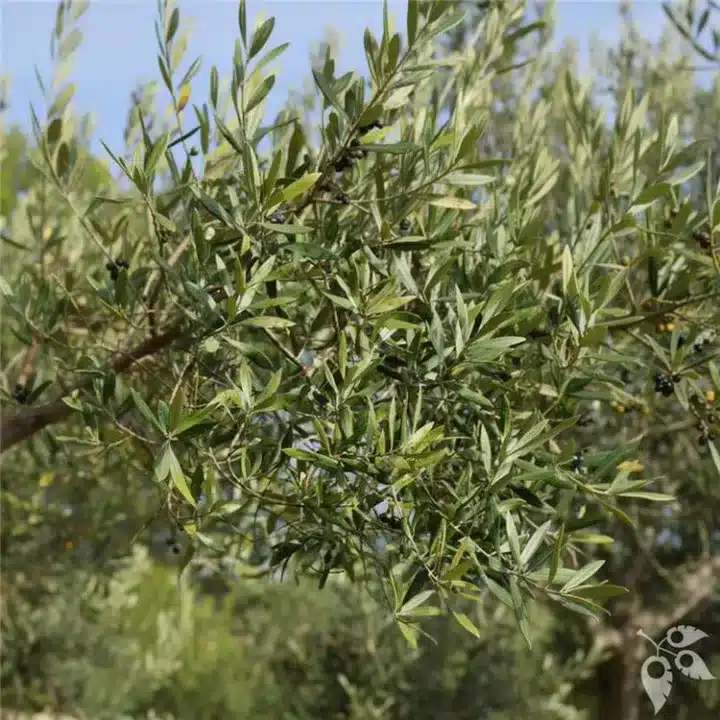
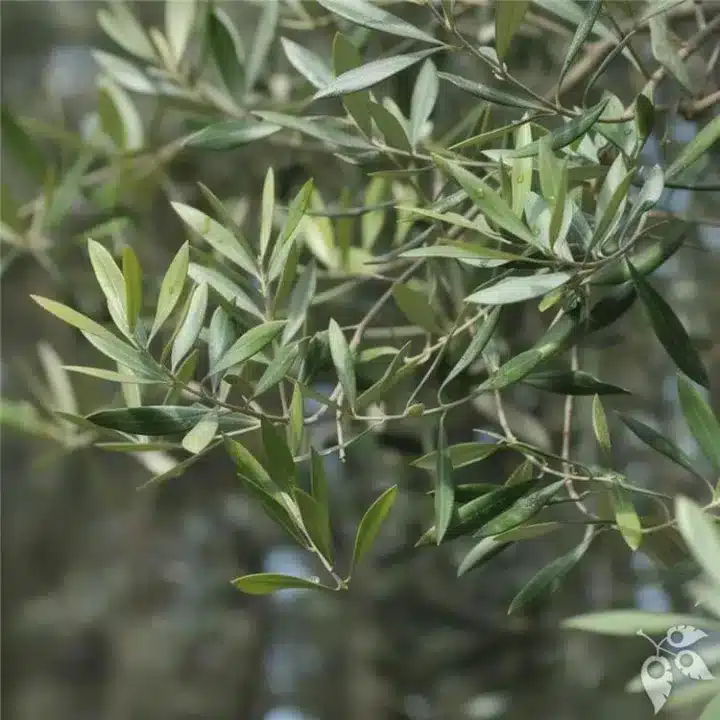
The ‘European Olive’ tree thrives in calcium-rich, sharply-drained soil and requires six to eight hours of direct sunlight daily. The best times to plant olive trees are in spring or fall. Young trees can be purchased from most reputable nurseries. The planting hole should be dug twice as wide as the container. Any circling roots need to be loosened, and the tree should be planted at or slightly higher than the depth it was in the container. The hole should be filled with the original soil mixed with sand or gravel, especially if planted into clay soil. The tree must be well-watered after planting. Olive trees should never be planted in areas where tomatoes, cotton, or peppers have grown to avoid the possibility of a pathogen that causes verticillium wilt, and ideally, the soil should be tested prior to planting. It is important to keep the surrounding soil free of weeds. Seeds can be planted in spring after the soil temperature warms to fifty-five degrees Fahrenheit. Olive trees can also be propagated from eight-inch cuttings taken in summer. The cutting should be stripped of all except the topmost leaves, dipped into rooting hormone, and inserted into moist growing medium. It is important to place the cutting in a warm, well-lit area until new roots form.
Olive Tree Care
Although olive trees are drought-tolerant, once established, they should be kept evenly-moist to promote the best flowering and fruiting, especially during the first year. Drip irrigation is an ideal way to keep the soil moist but not overly-wet. Newly-planted trees should be watered weekly during the first year, or when the top two inches of soil has become dry. Once established, a deep monthly watering is sufficient. Mulch should be kept several inches away from the trunk of the tree. Young trees may require staking to hold them upright until the trunk reaches a thick enough diameter to keep it erect in windy conditions.
Fertilizing Olive Trees
The ‘European Olive’ tree benefits from the monthly application of a 16-16-16 slow-release fertilizer, beginning in spring and applied monthly throughout the summer growing season. It is important to read and follow the directions on the product label before the use of any fertilizer.
Pruning Olive Trees
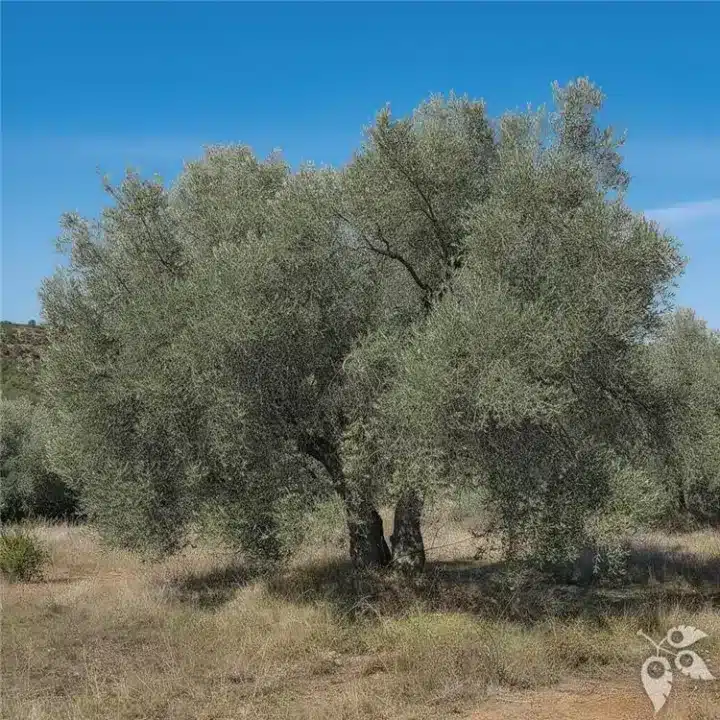
Ideally, the ‘European Olive’ tree should be pruned in the spring or early summer. The tree should only be pruned for shaping during the first two years of growth. Pruning mature trees into a “vase” shape is done to reduce dense foliage, thereby allowing sunlight to reach the flowers, or developing fruit, to increase productivity.
Olive Tree Pests and Diseases
Healthy olive trees are resistant to most pests and diseases. The tree must be provided with full sunlight daily, even moisture, adequate nutrition, sharp soil drainage, and proper pruning. Regular inspection of the tree is vital. At the first sign of pests, such as scale or fruit flies, immediate action must be taken. Damaged foliage should be removed, and it can be helpful to apply neem oil or insecticidal soap, according to the product label directions. In the case of severe infections, it may be necessary to consult a professional arborist.